 English
 中文简体
中文简体

+86-13676695112
+86-18868136522
+86-576-87733908
Industrial products can look completely unrelated when they come from different corners of a manufacturing floor. Someone walking past a hydraulic pump on one side of the building and a printing press on the other might never guess they belong to the same conversation.
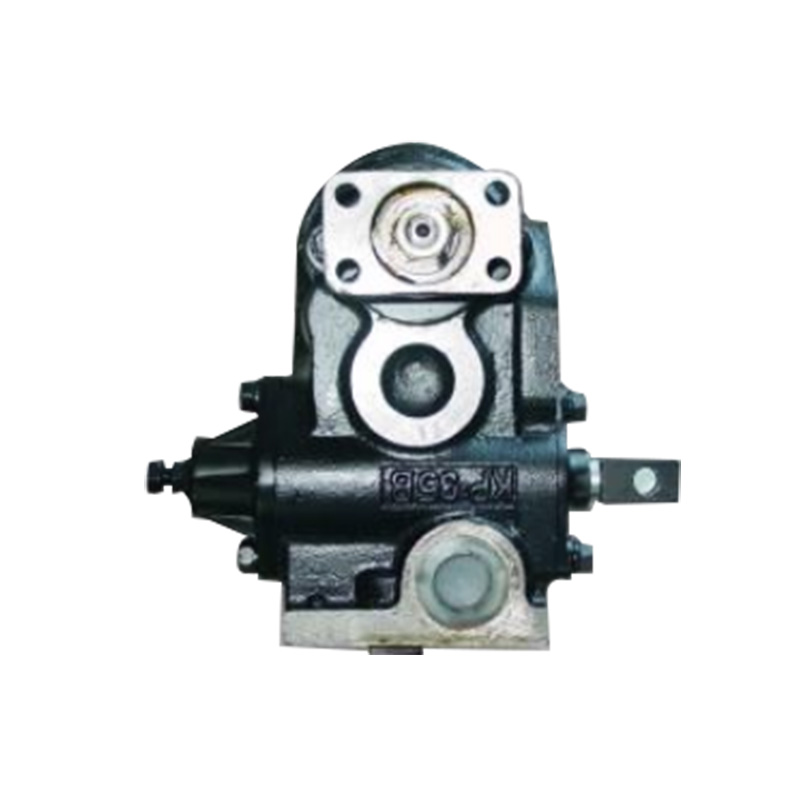
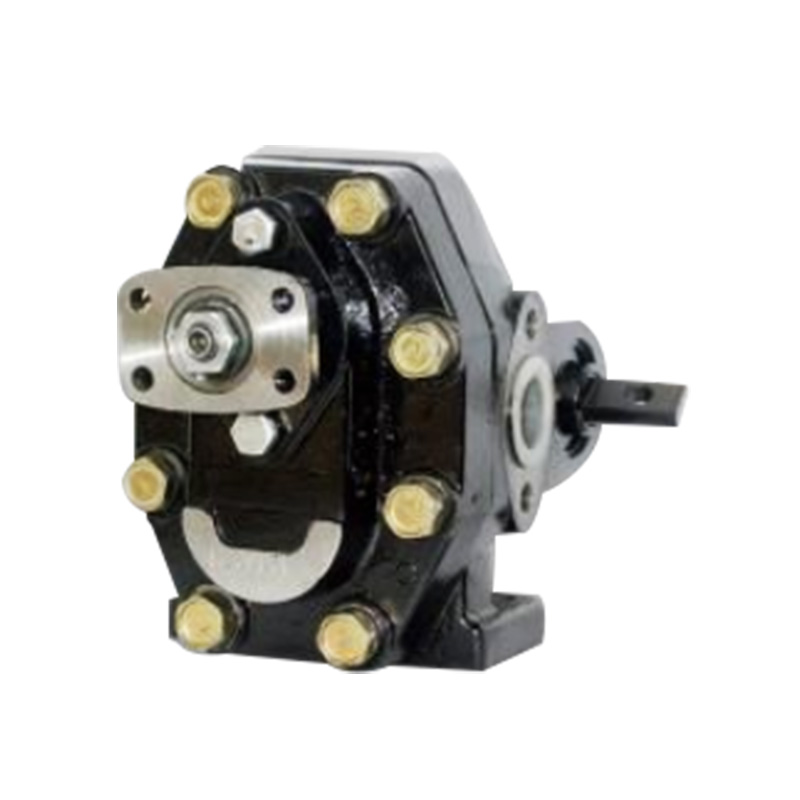
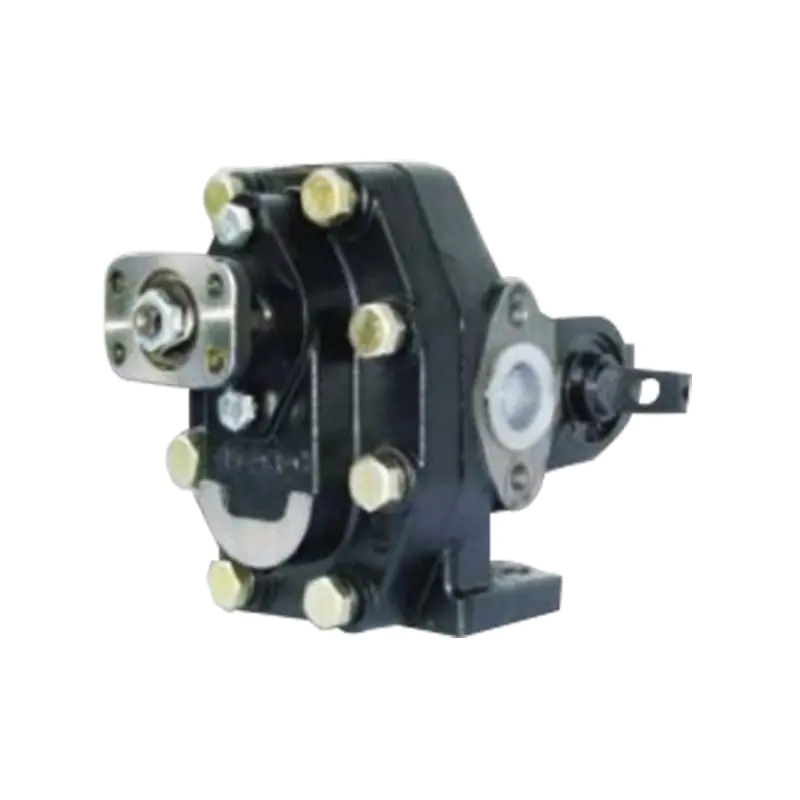
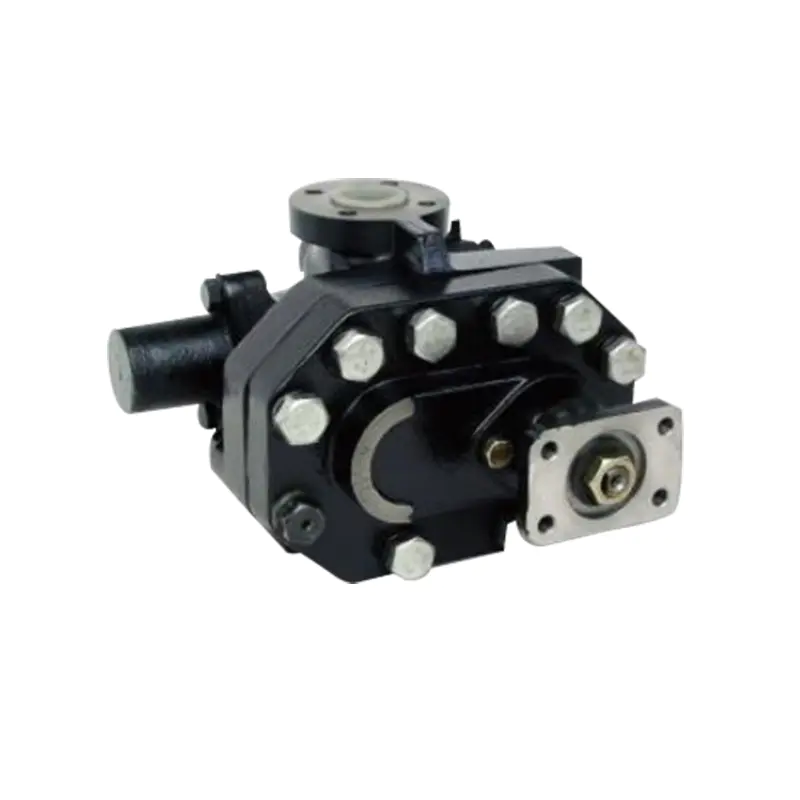
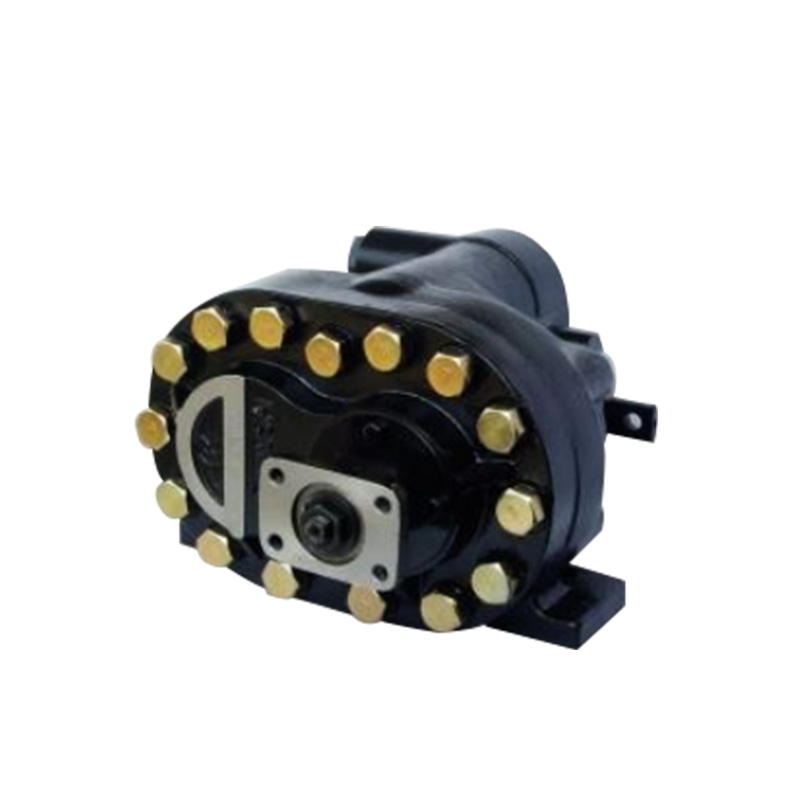
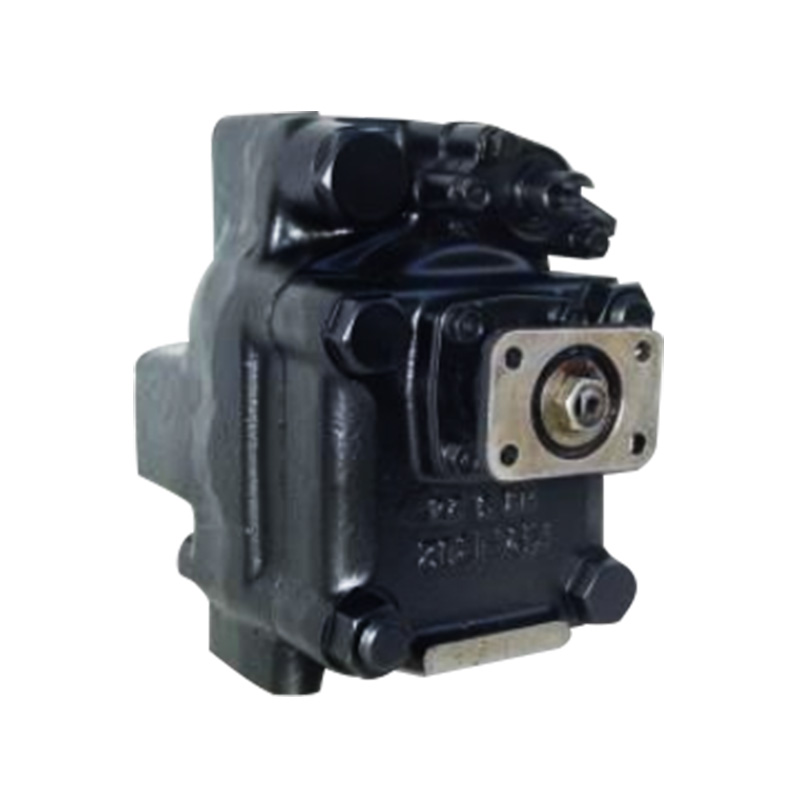
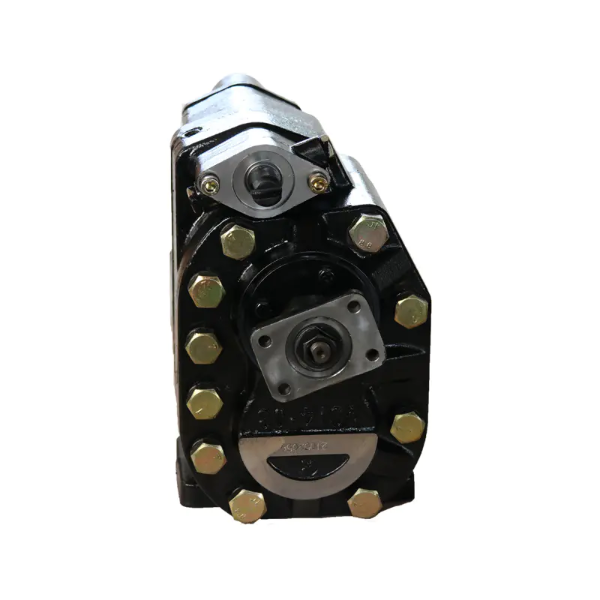
An Aluminum Hydraulic Gear Pump , a Copper Plate Printing Press, and a Copper Printing Machine serve different direct purposes on paper, yet they share a common thread through production, material handling, mechanical movement, and the need for reliable industrial operation day after day. The hydraulic pump ties into fluid power and controlled movement, while copper printing equipment focuses on transferring images or patterns onto suitable materials passing through.
Both areas depend on machines that turn carefully arranged components and operating steps into a repeatable production process running shift after shift. Looking at these products side by side also reveals how different industrial systems can support the same broader goal, which is making manufacturing work more controlled, organized, and practical for the people running it.
The most obvious connection sits in their place within manufacturing as a whole. An Aluminum Hydraulic Gear Pump gets commonly associated with hydraulic systems, where pressurized fluid creates movement or force somewhere downstream in the machine.
A Copper Plate Printing Press gets designed around the controlled transfer of an engraved or prepared plate image onto a receiving material. A Copper Printing Machine can refer to equipment used for printing processes involving copper plates, copper-related surfaces, or other industrial printing applications running through a facility.
Their operating principles differ quite a bit, but all three rely on carefully coordinated mechanical actions happening in sequence. A pump has to move fluid in a controlled way without surging or stalling. A printing press has to manage the relationship between the printing surface and the material receiving the image as it passes through. A printing machine has to coordinate feeding, positioning, printing, and other production steps according to whatever application it's built for.
This creates a shared manufacturing theme running underneath all three. Each product gets designed to perform a specific industrial task while fitting into a wider workflow around it.
| Product | Main Industrial Role | Broader Connection |
|---|---|---|
| Aluminum Hydraulic Gear Pump | Supports hydraulic fluid movement | Controlled mechanical operation |
| Copper Plate Printing Press | Transfers prepared plate images | Repeated printing work |
| Copper Printing Machine | Supports industrial printing processes | Material and process coordination |
The connection is therefore less about the products being interchangeable and more about how they represent different approaches to controlled industrial production happening under the same roof.
Hydraulic systems show up in many types of industrial equipment because fluid can transmit force through a connected system without needing a rigid mechanical link running the whole distance. The pump plays an important role by moving hydraulic fluid so other parts of the system can carry out their intended actions on schedule.
An Aluminum Hydraulic Gear Pump uses rotating gears within its operating structure to push fluid through the hydraulic system as it spins. The aluminum construction also becomes relevant when equipment designers weigh the balance between structural needs, handling, and overall machine design on the shop floor.
The pump itself usually isn't the final product rolling off the line. Instead, it becomes one part of a larger machine doing the actual job customers care about.
That larger machine may involve lifting, pressing, moving, clamping, or other mechanical actions depending on what it's built for. This is where the relationship with manufacturing equipment starts to make more sense.
A production machine often depends on several systems working together at once. Mechanical components provide movement. Hydraulic components support force-related operations that mechanical linkages alone can't handle as smoothly. Control systems coordinate the sequence so everything fires in order. Operators monitor the process and respond to production requirements as they shift throughout the day.
The pump therefore represents the supporting side of industrial manufacturing, quietly doing its job out of sight. It may never show up in the final product a customer holds, but its operation still shapes how connected equipment performs its assigned task.
A Copper Plate Printing Press belongs to a genuinely different area of manufacturing altogether. Its purpose ties to printing rather than hydraulic power, even though both rely on controlled mechanical action underneath.
The basic process involves a prepared printing plate carrying an image or pattern that gets transferred onto a receiving surface passing beneath it. The relationship between the plate, ink, material, and pressing action needs to stay controlled throughout the entire printing process, start to finish.
This makes machine organization genuinely important. The printing surface needs positioning that's appropriate for the job at hand. The material receiving the image needs to move through the process in an orderly way without jamming or shifting. The printing action itself needs to happen with suitable consistency for whatever the intended application calls for.
Unlike a hydraulic pump tucked away inside a larger assembly, the printing press is directly involved in the visible production process happening right in front of workers. The finished result shows up plainly on the printed material for anyone to check.
Even so, the two products still share an important characteristic worth noting. Both depend on coordinated movement to function at all. The hydraulic pump supports movement indirectly through fluid power pushing components along, while the printing press uses mechanical movement directly to carry out the printing operation itself. Their functions differ quite a bit, but controlled motion matters to both in equal measure.
A Copper Printing Machine can get viewed as part of a broader group of equipment designed to make printing processes more organized and repeatable across a production run. Printing machines vary considerably depending on the material, printing method, product shape, and intended application running through them.
Some applications focus on decorative surfaces meant to catch someone's eye on a shelf. Others may involve industrial markings, packaging-related work, labels, or specialized printed materials that never see a retail display at all. The machine therefore has to match the nature of the production task it's assigned.
A printing process can involve several stages working in sequence.
| Production Stage | General Purpose |
|---|---|
| Material preparation | Makes the receiving surface ready |
| Plate or image preparation | Establishes the printing content |
| Ink preparation | Provides the printing medium |
| Positioning | Places materials correctly |
| Printing | Transfers the intended image |
| Inspection | Checks the finished result |
The equipment helps bring these stages together into one flowing sequence rather than a series of disconnected steps. This is another point of connection with hydraulic equipment worth noting.
Neither system exists in isolation on a factory floor. Each machine is part of a larger production environment, where preparation, movement, operation, inspection, and maintenance all shape the final workflow together.
Materials influence industrial equipment in a lot of different ways, some more obvious than others. For an Aluminum Hydraulic Gear Pump, the material used for the pump body can affect how the component fits into the larger hydraulic assembly it's bolted into.
In printing, copper plates provide a prepared surface for carrying an image or pattern through the printing process reliably run after run. The receiving material itself may also vary quite a bit depending on the application it's headed for.
This means material selection isn't simply a matter of appearance on a spec sheet. It can influence handling, compatibility, maintenance, and how a product actually fits into its intended production process once it's installed.
Industrial buyers often need to weigh the complete application, rather than fixating on one component in isolation. A hydraulic pump, for example, should get considered as part of the hydraulic system it'll operate within, not as a standalone part. A printing press should get considered alongside its plates, inks, materials, and production routine as a whole package. A printing machine should get evaluated according to the actual type of work it needs to handle day in and day out.
This application-based approach helps connect products that seem completely unrelated at first glance into one coherent picture.
Controlled processes sit at the center of both hydraulic and printing operations, even though the machines themselves look nothing alike. In hydraulic equipment, fluid movement needs to follow the requirements of whatever connected machine it's feeding into.
In printing equipment, material movement and printing actions need to happen in an organized sequence that doesn't fall apart under speed. Both situations demand real coordination behind the scenes.
An operator may need to prepare the equipment before production even starts for the day. Materials or components need to be on hand and ready. The machine needs to sit in a suitable operating condition before anyone flips the switch. The production sequence needs to be understood clearly by whoever's running it that shift.
After production starts, operators may monitor the process and make adjustments according to normal operating procedures already in place. This creates a fairly similar pattern even though the machines themselves are worlds apart.
| Common Production Need | Hydraulic Equipment | Printing Equipment |
|---|---|---|
| Preparation | System and component checks | Material and plate preparation |
| Movement | Fluid-supported machine action | Material and press movement |
| Control | Supports machine operation | Coordinates printing actions |
| Inspection | Checks operating condition | Checks printed output |
| Maintenance | Supports continued equipment use | Keeps printing equipment ready |
The shared idea running through all of this is process control. Industrial manufacturing depends on turning individual actions into an organized sequence that repeats reliably. That principle applies across a lot of different types of machinery, not just these three.
Printing work often depends heavily on controlled positioning throughout the process. If the printing plate and receiving material don't interact exactly as intended, the finished image may not match what the job actually called for.
For this reason, machine design needs to account carefully for how materials move through the printing area as they pass through. The operator also needs a clear understanding of the production process itself, not just a general sense of it.
A Copper Plate Printing Press provides the mechanical structure needed to carry out the transfer process, while the printing plate itself determines the actual image or pattern being transferred onto the material. The machine and plate therefore work as a pair rather than two separate concerns.
Neither one should really get considered separately when evaluating the complete printing process from start to finish. A Copper Printing Machine may bring additional functions into the workflow too, depending on its design and application in the shop.
This can include material feeding, positioning, printing, handling, or other supporting actions bolted onto the core process. The practical objective throughout stays making the production sequence easier to manage for the people running it.
This mirrors the role played by a hydraulic pump within a larger machine elsewhere in the plant. The pump doesn't perform the entire industrial task on its own. It provides one necessary function that lets connected equipment carry out its intended work properly.
A manufacturing environment rarely depends on just one type of equipment running the show. A factory may house machinery for material preparation, forming, movement, printing, assembly, inspection, and packaging, all under one roof.
Each machine may look independent standing on its own, but the output of one process often becomes the input for another downstream. A hydraulic system may support equipment that moves or positions materials somewhere earlier in the line. Printing machinery may mark or decorate those same materials a few stations later. Other equipment may then assemble, package, or prepare the finished goods for distribution out the door.
The Aluminum Hydraulic Gear Pump represents the equipment-support side of this chain, working quietly behind the scenes. The Copper Plate Printing Press represents the printing-process side, doing visible work right on the floor. The Copper Printing Machine can occupy another part of the printing workflow entirely, depending on its intended use in that particular plant.
This broader perspective helps explain why industrial buyers often look beyond individual product descriptions when shopping for equipment. They need to understand how a machine will actually fit into an existing production environment already running.
A component that looks perfectly suitable on its own spec sheet may still need evaluation alongside connected machinery, materials, operators, and maintenance practices already established on the floor.
Industrial purchasing usually ties back to a specific production need rather than general curiosity. A buyer looking for an Aluminum Hydraulic Gear Pump may be trying to support an existing hydraulic system or replace a worn component within industrial equipment already running.
A buyer considering a Copper Plate Printing Press may be focused on printing workflow, material compatibility, and ease of operation on the floor. A Copper Printing Machine buyer may carry different requirements entirely, depending on the type of printing work involved in their particular shop.
The evaluation process should therefore begin with the application itself, not the product brochure. Useful questions can include the following.
These questions help prevent purchasing decisions based only on isolated product features listed on a spec sheet. They also make communication between buyers and suppliers a lot more productive from the first conversation.
When the intended application gets explained clearly up front, suppliers can better understand what the equipment actually needs to accomplish once it's installed.
Maintenance is another common thread running across industrial equipment of all kinds. A hydraulic pump needs appropriate care so the connected system can keep operating as intended without unexpected downtime.
Printing equipment also requires regular attention to surfaces, moving parts, materials, and other areas affected by routine use over weeks and months. A clean and organized production area can make maintenance tasks a lot easier to manage day to day.
Operators can spot equipment changes more quickly when the normal operating condition feels familiar to them. Printing materials can also get stored in designated areas to reduce confusion between different jobs running through the same shop. Hydraulic components can get organized according to the machines and systems they support elsewhere on the floor.
This type of organization might look simple on the surface, but it can genuinely influence daily production efficiency more than people expect. The same principle applies whenever equipment needs cleaning, inspection, adjustment, or preparation for another production task coming up next.
A clear workflow reduces unnecessary searching around the shop and helps workers understand what actually needs attention right now. For industrial operations generally, equipment performance stays closely connected with the way people organize and manage the surrounding work around it.
The connection between an Aluminum Hydraulic Gear Pump, a Copper Plate Printing Press, and a Copper Printing Machine shows how different industrial products can share common manufacturing principles, even when they look nothing alike sitting on a floor.
Their direct functions aren't the same at all. One supports hydraulic fluid movement somewhere inside a larger machine. Another supports plate-based printing directly in front of workers. The third belongs to a broader category of printing equipment serving different applications.
Yet all three depend on controlled processes, suitable materials, organized operation, and regular maintenance to keep running smoothly. They also demonstrate something important about modern manufacturing worth remembering.
Individual components and machines rarely work alone in a real factory. A hydraulic pump becomes useful through the equipment it supports elsewhere in the system. A printing plate becomes useful through the press that transfers its image onto material. A printing machine becomes useful once it fits the materials, operators, and workflow already built up around it.
Understanding these relationships can help manufacturers think about machinery as part of a connected production system, rather than treating it as a collection of isolated products bought separately. That perspective proves useful when planning equipment purchases, organizing production areas, preparing maintenance routines, or evaluating how a new machine might fit into an existing manufacturing process already running.
We focus on the research, development, manufacturing and service of various high-pressure and high-displacement gear pumps and related products and copper and woodblock printing machines.
Are You Ready To Cooperate
With Xianju Liming Machinery Co., Ltd. ?
* Your email is safe with us, we don't spam.

Xianju Liming Machinery Co., Ltd. specializes in the production of various high-pressure and high-displacement gear pumps and related products. We also specialize in producing various specifications of copperplate engraving machines, woodblock printing machines and other printmaking art equipment.
Contact Info
+86-13676695112
+86-18868136522
+86-576-87733908
+86-576-87719094
No. 407, Chuancheng North Road, Anzhou Street, Xianju County, Taizhou City, Zhejiang, China.
Mobile web
