 English
 中文简体
中文简体

+86-13676695112
+86-18868136522
+86-576-87733908
A hydraulic system that worked fine on last year's equipment layout suddenly doesn't fit once a machine gets redesigned to save space. Or a pump that handled its job well enough starts adding more weight than a mobile piece of equipment can afford to carry. These are the kinds of practical constraints that push manufacturers toward rethinking a component most people never think about until it becomes a problem.
Machine builders used to have more room to work with. A hydraulic system could take up whatever space it needed, and weight wasn't always a primary concern unless the equipment was meant to move.
That's shifted. Mobile machinery needs to stay light enough to operate efficiently without excess fuel or power drain. Stationary equipment increasingly gets squeezed into smaller footprints as factories try to fit more into the same floor space. Somewhere in that squeeze, hydraulic components that used to be an afterthought became something engineers had to actively design around.
| Industry Change | Effect on Equipment Needs |
|---|---|
| More product variety | Systems need to handle different tasks without redesign |
| Flexible production methods | Components need to work across changing setups |
| Space limitations | Compact parts become necessary, not optional |
| Maintenance concerns | Reliable, accessible designs matter more |
None of this happened overnight. It built up gradually as equipment got more sophisticated and space got more expensive.
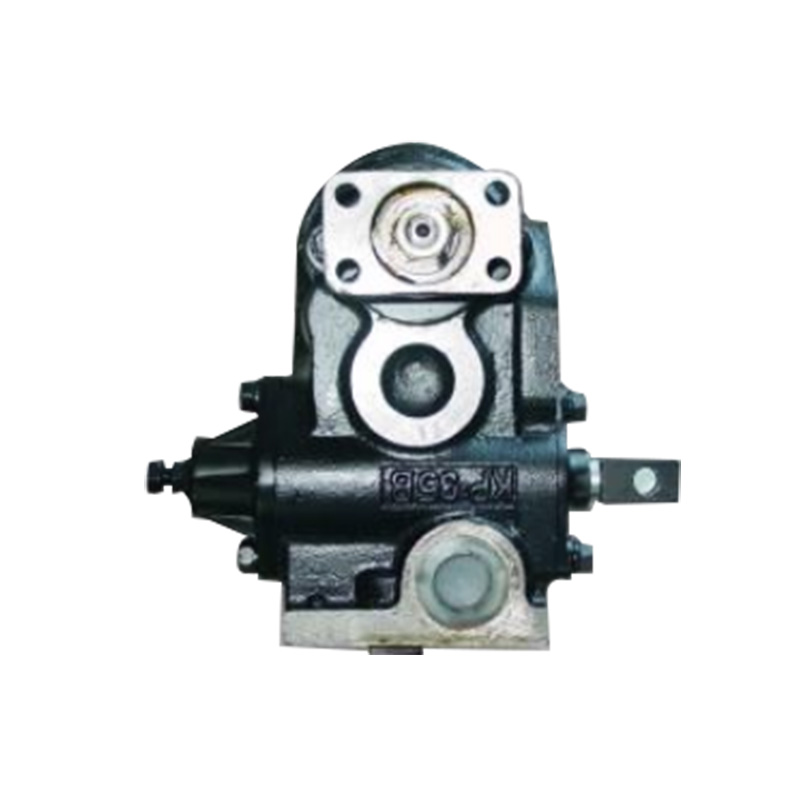
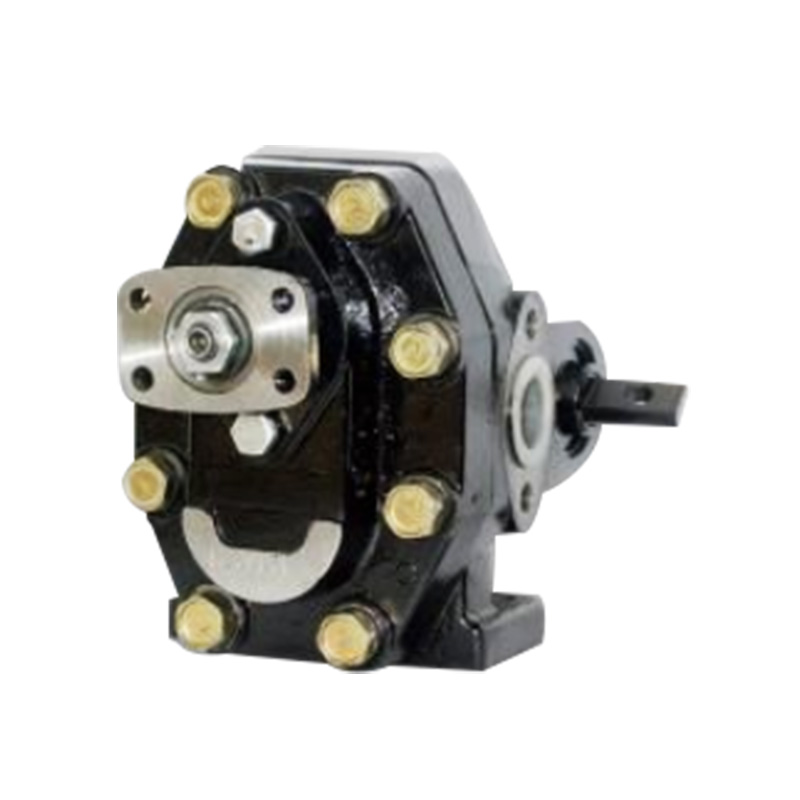
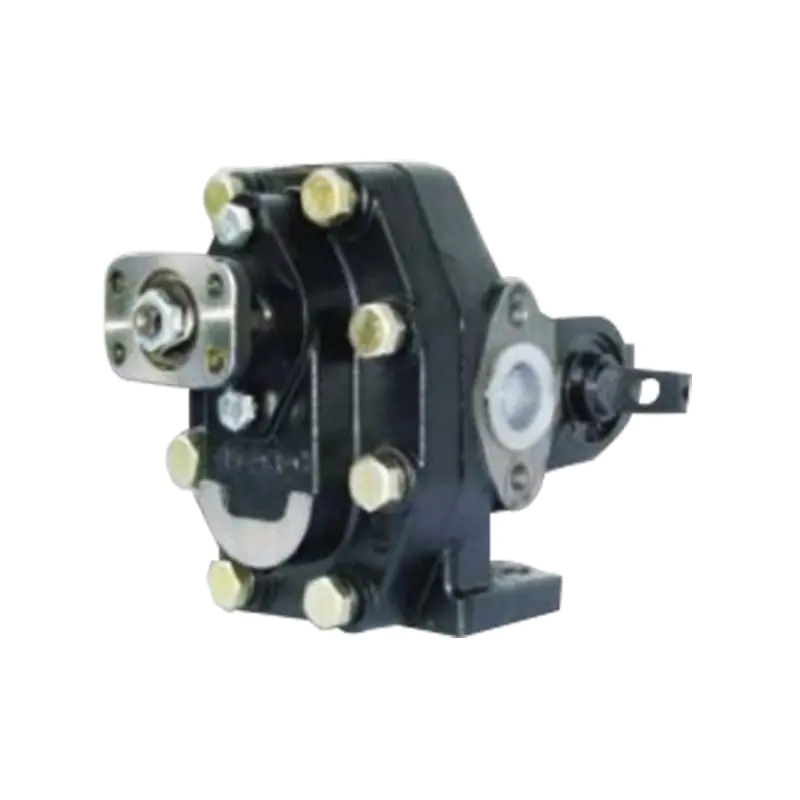
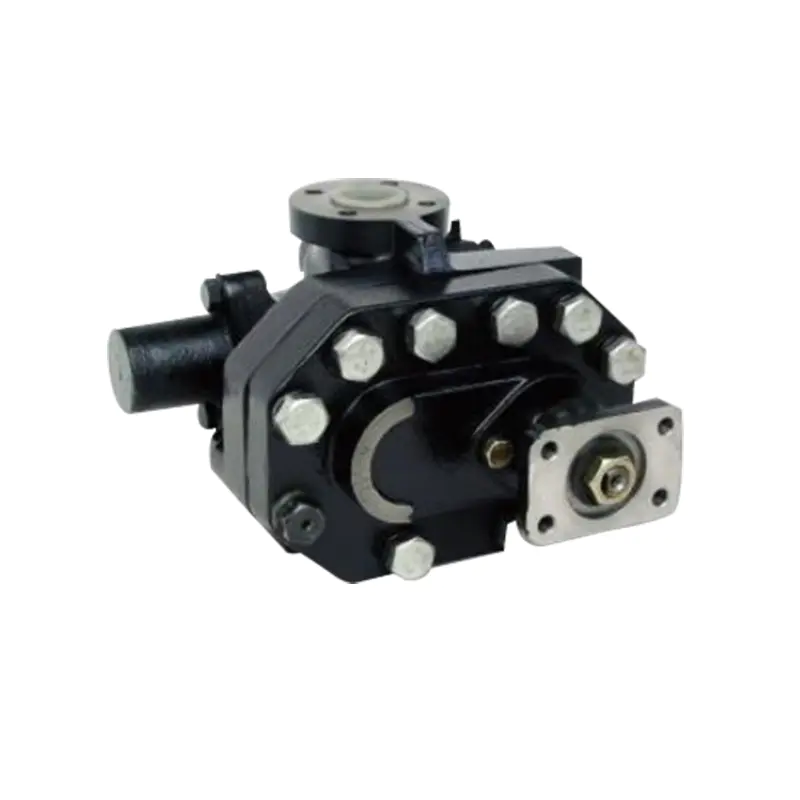
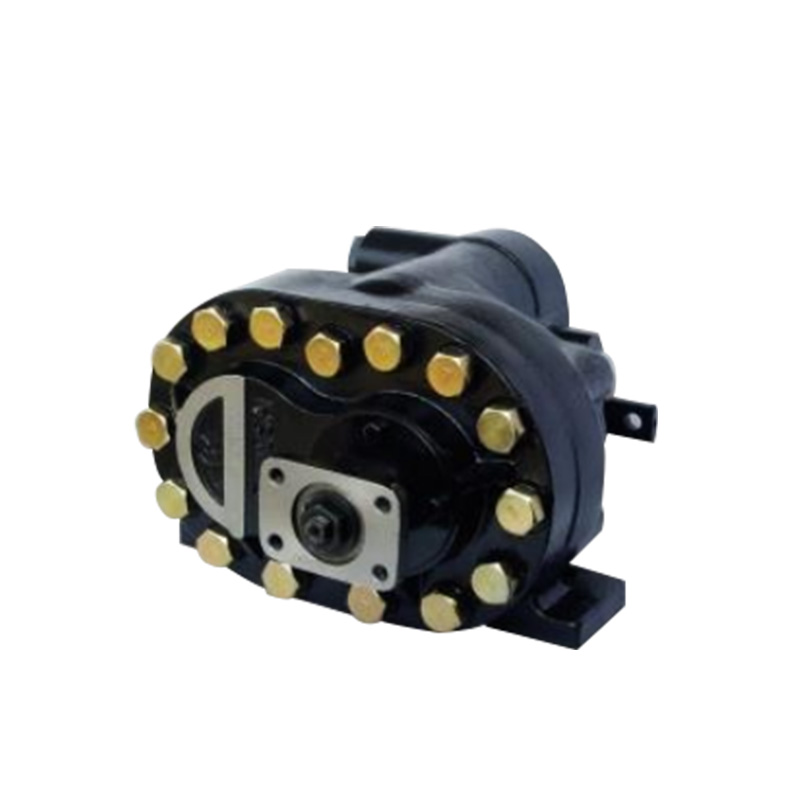
A hydraulic gear pump moves fluid through a system using two meshing gears — one drives, one follows, and the motion between them pushes fluid at a controlled rate. That basic mechanism hasn't changed much over the years. What has changed is the material used to build the housing around it.
Traditional pump housings were often built from heavier metals, which made sense when weight wasn't a major concern. Switching to an aluminum-based structure keeps the same mechanical function while cutting down significantly on the weight the pump adds to a system.
This matters in places like:
| Application Field | Equipment Use |
|---|---|
| Construction equipment | Powering hydraulic movement on machinery that needs to stay mobile |
| Agricultural machinery | Running equipment functions without adding unnecessary bulk |
| Industrial systems | Providing hydraulic support within fixed production setups |
| Mobile equipment | Fitting into designs where every added pound affects performance |
A pump that weighs less doesn't just make the machine lighter — it can change how the whole system gets designed around it.
It's tempting to think lightweight construction is only about reducing overall machine weight, and while that's part of it, the more interesting effect shows up during installation and integration.
Engineers designing new equipment have more flexibility when a hydraulic component doesn't dictate where it has to go based on how much support structure it needs. A lighter pump can sit in a tighter space, get mounted with less reinforcement, and get swapped out during maintenance without needing extra hands or lifting equipment.
That flexibility shows up as:
None of these benefits show up on a typical spec sheet, but they matter to anyone who's actually installed hydraulic equipment in a cramped space.
A pump that only works well in one narrow application doesn't help equipment builders who need to standardize components across a product line. Aluminum Hydraulic Gear Pumps tend to work across a broader range of machine types because their compact structure doesn't force a specific layout.
| Flexible Feature | Practical Value |
|---|---|
| Compact structure | Fits into different equipment designs without major rework |
| Broad application range | One pump design can serve several product lines |
| Simple integration | Reduces engineering time spent adapting the component |
| Adaptable design | Handles changing pressure or flow requirements without redesign |
A manufacturer building both agricultural and construction equipment benefits from using similar hydraulic components across both, rather than sourcing and stocking separate parts for each.
Efficiency in hydraulic systems isn't just about how fast fluid moves — it's about whether the whole system runs smoothly without unnecessary strain on other components.
An aluminum gear pump contributes to this by keeping the hydraulic circuit lighter overall, which reduces load on mounting structures and connected components. Stable operation matters too — a pump that runs consistently under varying loads keeps the rest of the system predictable, which matters when a machine is running for extended stretches without direct supervision.
Reduced structural complexity also plays a role. Fewer reinforcements needed around the pump mean fewer points where something can loosen, wear, or need adjustment over time.
Different industries lean on hydraulic gear pumps for different reasons, but the underlying need — controlled fluid movement without excess weight — stays consistent.
| Industry | Hydraulic Application |
|---|---|
| Manufacturing | Supporting machine operation within fixed production lines |
| Agriculture | Powering equipment movement functions in the field |
| Construction | Running mobile equipment systems that need to travel between sites |
| Transportation | Supporting hydraulic-based functions in vehicles or related equipment |
A single pump design showing up across this many contexts says something about how adaptable the underlying structure needs to be to satisfy such different operating conditions.
Unexpected downtime costs more than most people account for upfront. A hydraulic pump that's difficult to access or service turns a routine maintenance check into a bigger job than it needs to be.
| Maintenance Factor | Why It Matters |
|---|---|
| Practical design | Makes routine servicing faster and less disruptive |
| Stable structure | Reduces the frequency of unexpected repairs |
| Easy integration | Simplifies replacement without redesigning surrounding components |
| Reliable components | Supports predictable use over extended periods |
A maintenance technician who can access and service a pump without removing half the surrounding equipment saves real time — time that adds up over a year of scheduled maintenance visits.
Factories and machine builders are working with less available space more often, whether that's due to denser production floors or equipment designs that pack more function into smaller frames.
Compact hydraulic solutions support this trend through:
The lightweight nature of aluminum-based pump construction fits naturally into this shift, since it doesn't fight against the push toward smaller, more efficient equipment footprints.
Choosing a material for a hydraulic component involves more than picking whatever's cheapest or most familiar. Engineers weigh equipment requirements, expected operating conditions, and how the material will hold up over repeated use.
| Material Consideration | Design Influence |
|---|---|
| Lightweight structure | Opens up more flexibility in equipment layout |
| Practical durability | Determines how well the pump handles daily operating conditions |
| Adaptable design | Allows the same base structure to serve multiple applications |
| Manufacturing convenience | Affects how easily the component can be produced and adjusted |
A pump built from a material that's easier to machine and shape also tends to be easier to adapt when a manufacturer needs slight design variations for different equipment lines.
Industrial equipment will keep getting squeezed into tighter spaces and lighter overall weight budgets, and hydraulic components will need to keep adjusting alongside that pressure. A pump built with a heavier, less adaptable structure risks becoming the reason a new equipment design doesn't work rather than the reason it does.
Aluminum Hydraulic Gear Pumps continue showing up across different industries because their combination of reduced weight and adaptable structure fits into that ongoing shift without forcing engineers to redesign everything else around them. Anyone specifying hydraulic components for a new equipment design would do well to ask directly how a given pump performs across different mounting conditions and operating loads — that conversation tends to reveal more about long-term fit than a weight figure alone.
We focus on the research, development, manufacturing and service of various high-pressure and high-displacement gear pumps and related products and copper and woodblock printing machines.
Are You Ready To Cooperate
With Xianju Liming Machinery Co., Ltd. ?
* Your email is safe with us, we don't spam.

Xianju Liming Machinery Co., Ltd. specializes in the production of various high-pressure and high-displacement gear pumps and related products. We also specialize in producing various specifications of copperplate engraving machines, woodblock printing machines and other printmaking art equipment.
Contact Info
+86-13676695112
+86-18868136522
+86-576-87733908
+86-576-87719094
No. 407, Chuancheng North Road, Anzhou Street, Xianju County, Taizhou City, Zhejiang, China.
Mobile web
