 English
 中文简体
中文简体

+86-13676695112
+86-18868136522
+86-576-87733908
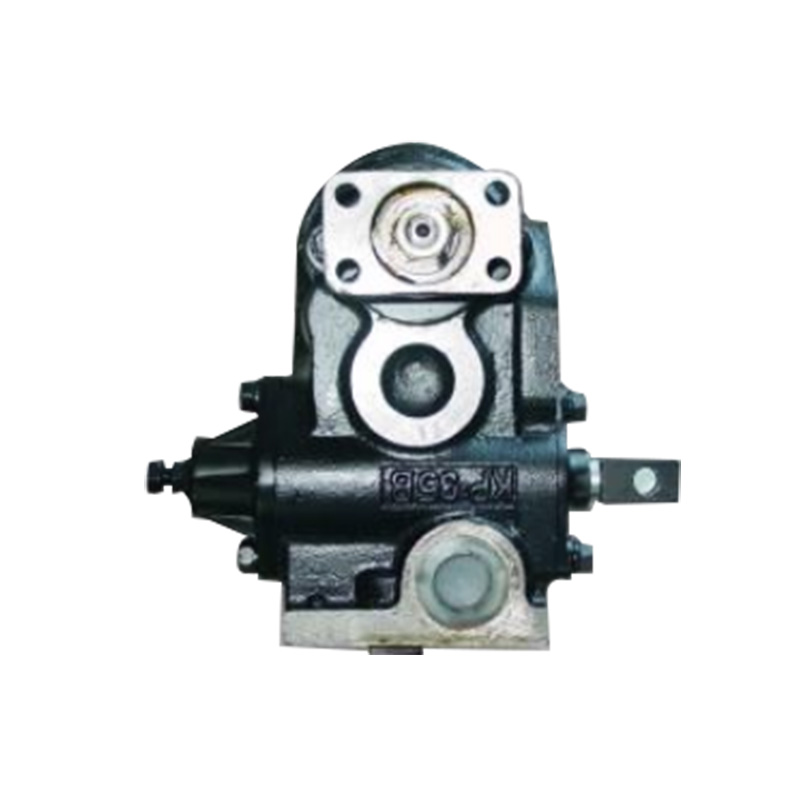
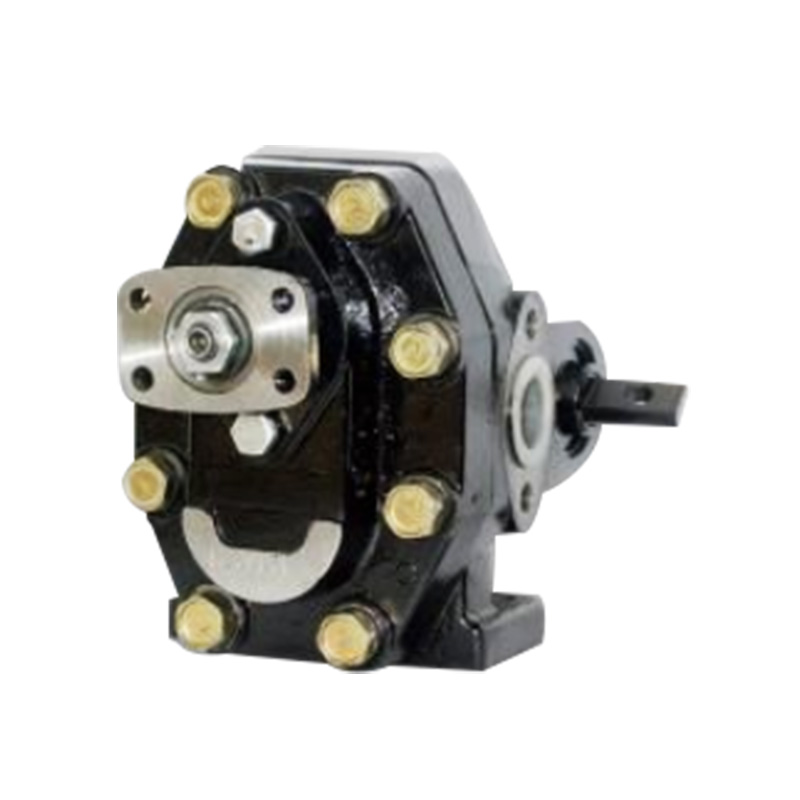
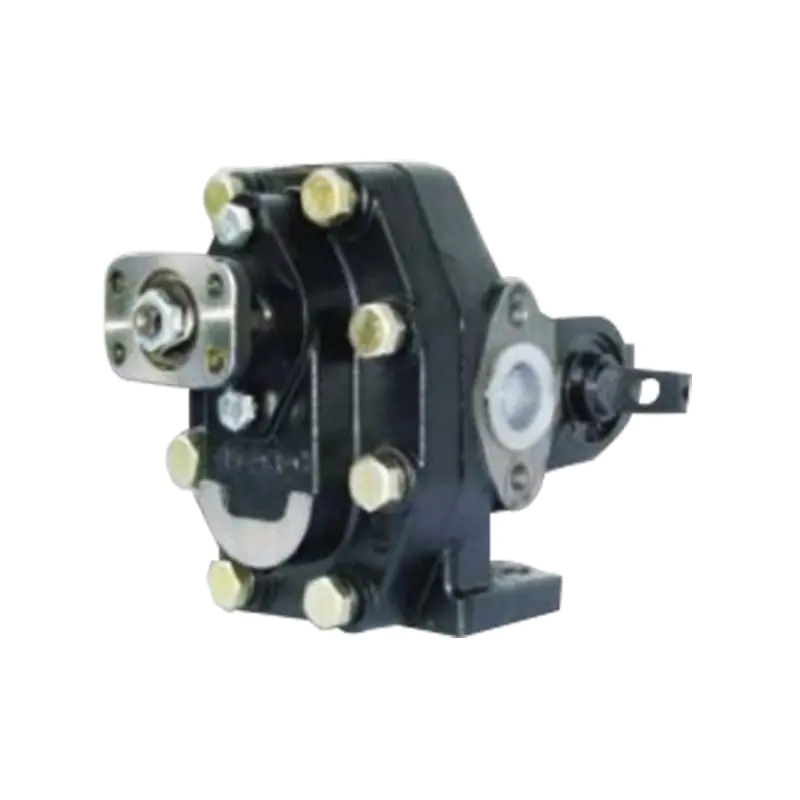
Picking a pump for commercial equipment gets complicated once you factor in how machines actually get used day to day. A forklift running shifts in a warehouse faces different demands than a stationary press bolted to a factory floor. Buyers often assume "moving fluid" is the whole story, but the pump also has to fit physically into the machine, survive its duty cycle, and stay reachable when something needs servicing. Choosing an Aluminum Hydraulic Gear Pump also requires considering how its construction fits the equipment's working conditions and maintenance needs.
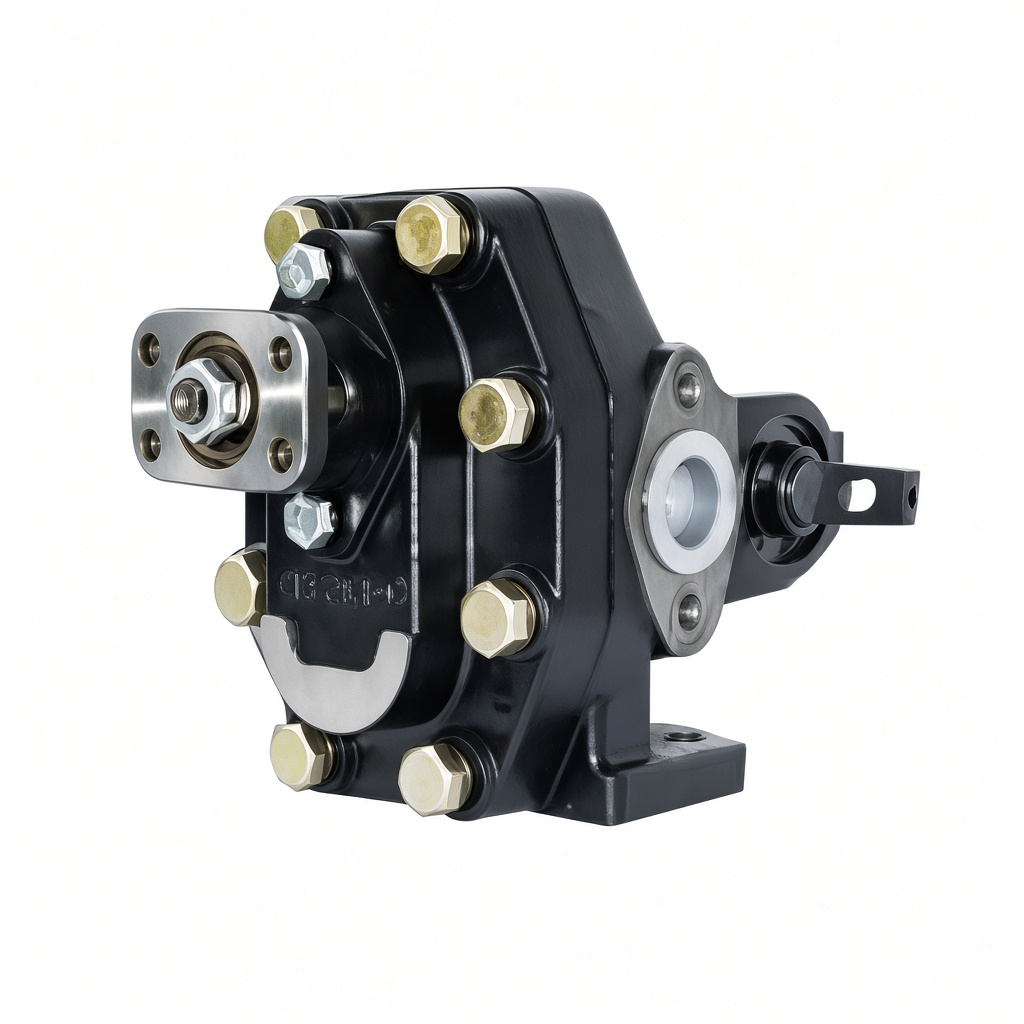
Gear pumps show up across commercial hydraulics because their internal design is comparatively simple to manufacture and maintain. That simplicity doesn't remove the need for careful matching, though. Understanding the appropriate Hydraulic Gear Pump Type, along with configuration, mounting position, fluid type, how often the machine runs, and how a technician will eventually get to the pump — all of these shape whether a given pump actually belongs in a given machine.
No two pieces of commercial equipment share identical working conditions. A skid steer has almost no spare room under its hood. A stationary hydraulic press might have an entire equipment bay to work with. Some machines cycle constantly through a shift; others sit idle for stretches and then run in short bursts.
These differences shape what a pump needs to do structurally, not just functionally.
A pump has to work as part of the machine, not sit off to the side as an afterthought. Its mounting bolts, port orientation, and overall shape need to line up with what's already in the chassis.
Take mobile equipment — a telehandler or a compact tractor. Space is tight, and every added pound affects handling and fuel use, so compact mounting and straightforward serviceability carry real weight in the decision. A stationary injection molding machine has more room to work with, but a technician still needs to reach the pump without disassembling half the machine to change a seal.
A few patterns worth noting:
Comparing pumps purely by appearance or a general product category skips over these realities. The machine itself should set the terms for the comparison, not the pump catalog.
Different gear pump configurations exist because equipment designers run into different constraints. Internal arrangement and port layout affect how a pump slots into a hydraulic circuit — sometimes in ways that aren't obvious from a spec sheet alone.
Some setups suit machines with one clear hydraulic job — a small dump trailer that just needs to raise and lower a bed, for instance. Others come into play when a designer needs a different mounting arrangement, or when the hydraulic circuit has more moving parts than a single function can handle.
For a buyer, the useful question isn't "which pump type is on the shelf." It's closer to: why would this particular configuration make sense for this particular machine?
A workable way to approach it:
Working through these points narrows the field without getting lost in specification sheets that don't tell you much about fit.
A single-section gear pump tends to suit machines with one relatively contained hydraulic job. If the equipment doesn't need several circuits running independently, a single pump keeps the system simpler to build and troubleshoot.
Fewer sections generally means fewer things that can go wrong at the interface between components, and fewer parts for a technician to trace through when diagnosing an issue.
Machines where this setup shows up regularly:
That said, a single pump shouldn't get selected just because a machine looks uncomplicated on the outside. The surrounding hydraulic components, how the machine runs, where the pump sits physically, and how it'll be serviced still need to line up. A machine that looks simple from the outside can still have a hydraulic circuit that benefits from a different configuration.
Some commercial machines need to do two things hydraulically at once — think of a skid steer that has to steer and operate an attachment at the same time, or a garbage truck running a compactor while lifting a bin.
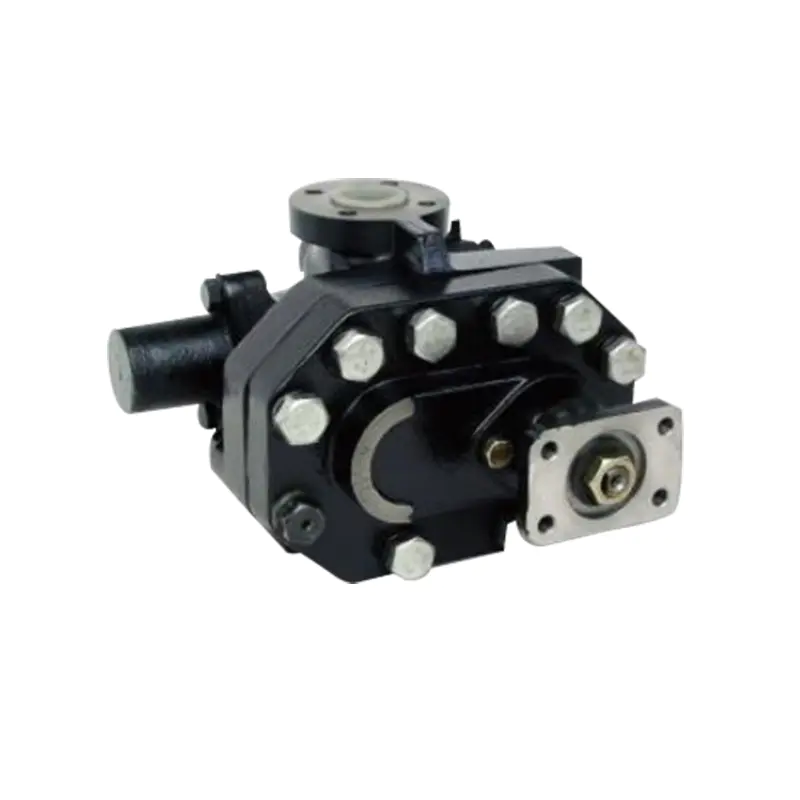
For equipment like that, a multi-section gear pump lets a designer keep both functions running off one drive input instead of building out two entirely separate systems.
This keeps the machine's hydraulic layout more contained. Instead of running duplicate lines, reservoirs, and mounting brackets for each function, the equipment can consolidate around a pump built to handle both jobs.
Packaging benefits from this too — mounting space on a chassis is finite, and a multi-section pump can reduce how much real estate the hydraulic system takes up overall.
None of this means more pump sections automatically improve a machine. The configuration only makes sense if it matches how the equipment actually operates. For procurement teams, that means mapping out what the machine needs to do hydraulically before comparing options among Commercial Gear Pumps — the pump should be chosen to fit the workflow, not swapped in as a generic stand-in for whatever was used before.
Commercial equipment interiors fill up fast. Motors, valves, reservoirs, control modules, and structural framing all compete for the same limited space, and the pump has to fit into whatever's left — or ideally, get planned for from the start.
A pump can do exactly what it's supposed to do functionally and still cause headaches if its physical footprint doesn't work with the rest of the layout.
Worth checking during installation planning:
Compact configurations tend to matter more in machines where every inch of the chassis is already spoken for. Stationary equipment has more breathing room, but access still counts — a pump buried behind a control panel or wiring harness turns a quick inspection into a longer job than it needs to be.
Designing the pump's location into the machine from the start, rather than fitting it into whatever space is left over once everything else is placed, tends to save time later during service calls.
The environment a machine works in varies quite a bit. A hydraulic pump tucked inside a climate-controlled production line deals with different conditions than one bolted to the underside of a mower running through fields all summer.
Dust, moisture, temperature swings, vibration, and how often the equipment gets washed down or cleaned all affect how a pump holds up and how it needs to be maintained.
None of this means picking a pump based on a marketing claim about durability. It means understanding, concretely, how the pump will be mounted, shielded from the elements, cleaned, and eventually serviced within that specific environment. A pump that's easy to reach can shorten downtime considerably on equipment that runs frequently.
A pump doesn't operate in isolation — it works alongside valves, hoses, filters, and a reservoir, and if any of those pieces don't align, the whole system can behave unpredictably even if the pump itself is functioning correctly.
A few areas worth checking before finalizing a purchase:
For B2B buyers, a mismatch in any of these areas doesn't just affect the pump — it creates extra labor during assembly, installation, or the first service visit, often at a point where it's harder and more costly to fix than if it had been caught during selection.
Starting from the equipment itself, rather than scrolling through a product catalog, tends to produce better outcomes.
Questions worth working through before contacting a supplier:
Working through these questions reduces the chance of picking a pump based on one appealing feature while overlooking a mismatch elsewhere in the system.
It's also worth being specific with suppliers about the actual application — what the machine does, how it's used, where it operates. A supplier who asks about installation constraints and duty cycle is generally in a better position to recommend something workable than one who just walks through a product lineup by category.
As commercial machinery diversifies, pump manufacturers have had to rethink both product design and how they support customers through the selection process.
Equipment manufacturers building different machine lines often need different pump configurations across their product range, which puts pressure on suppliers to understand how their pumps actually get used in the field rather than just how they perform on a test bench.
Areas where this shows up in product development:
For equipment manufacturers, this shift makes sourcing more straightforward — instead of hunting for a pump by product name alone, buyers can describe the machine's actual working requirements and get a configuration suited to that context.
Manufacturing consistency matters here too. Steady assembly and inspection processes help suppliers deliver pumps that behave the same way across repeat orders, which matters a great deal when a pump gets built into equipment on a recurring production schedule — the buyer isn't purchasing a single component in isolation, but a part that has to integrate reliably into an ongoing manufacturing process.
As hydraulic equipment continues to get built around more specific applications, gear pump selection increasingly comes down to how a configuration fits equipment layout, working function, installation conditions, and the surrounding hydraulic system — giving commercial buyers a clearer starting point than treating every hydraulic application the same way.
We focus on the research, development, manufacturing and service of various high-pressure and high-displacement gear pumps and related products and copper and woodblock printing machines.
Are You Ready To Cooperate
With Xianju Liming Machinery Co., Ltd. ?
* Your email is safe with us, we don't spam.

Xianju Liming Machinery Co., Ltd. specializes in the production of various high-pressure and high-displacement gear pumps and related products. We also specialize in producing various specifications of copperplate engraving machines, woodblock printing machines and other printmaking art equipment.
Contact Info
+86-13676695112
+86-18868136522
+86-576-87733908
+86-576-87719094
No. 407, Chuancheng North Road, Anzhou Street, Xianju County, Taizhou City, Zhejiang, China.
Mobile web
