 English
 中文简体
中文简体

+86-13676695112
+86-18868136522
+86-576-87733908
A machine designer staring at a cramped engine bay, trying to figure out where a hydraulic pump is even supposed to fit alongside the motor, hoses, and filters already crammed in there, understands why pump selection has become a lot more involved than it used to be. Industrial equipment is becoming more varied by the year. A machine used for material handling may have genuinely different operating needs from equipment used in agriculture, construction, manufacturing, or mobile applications out in the field.
Hydraulic systems have to adapt to these differences somehow. The pump sits near the beginning of that process, moving hydraulic fluid through the system and supporting the actions required by connected equipment downstream.
This has made pump selection a lot more closely connected with the design of the machine itself, rather than an afterthought bolted on once everything else is finalized.
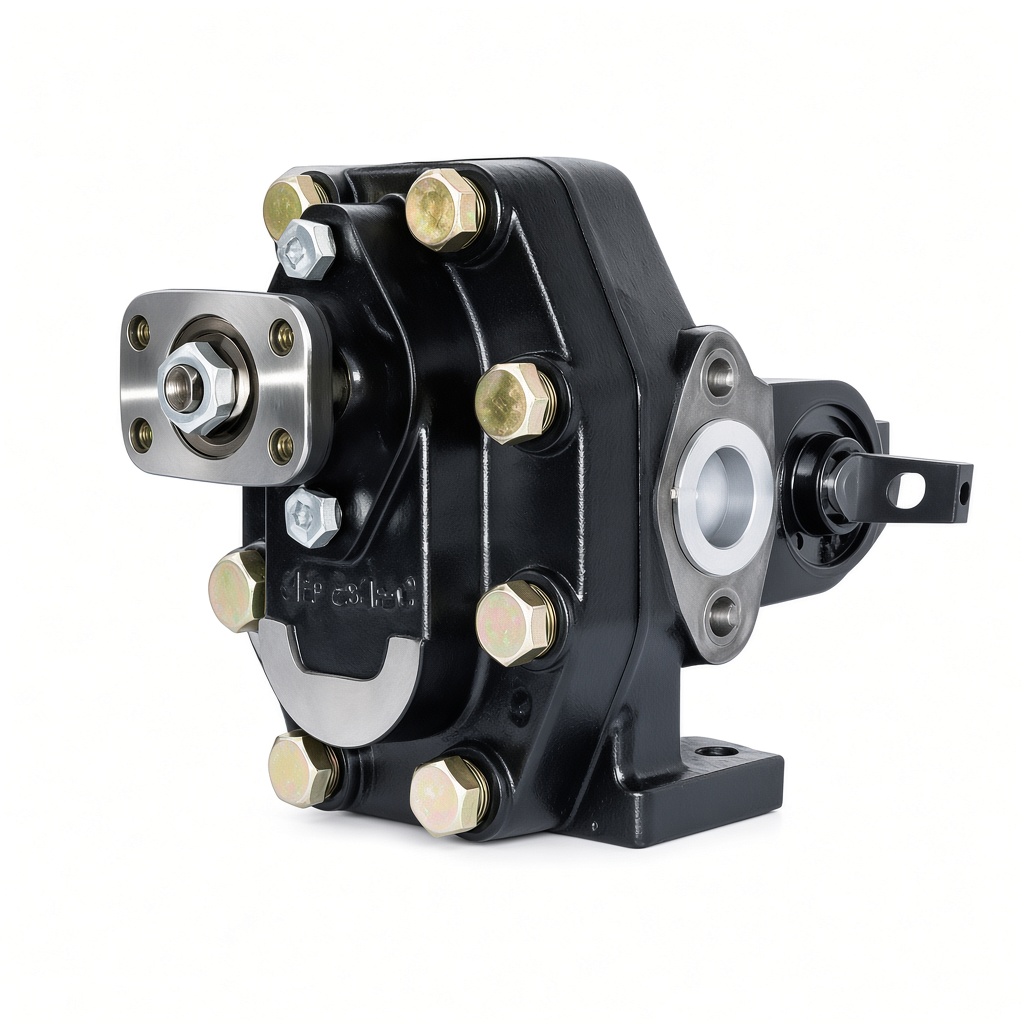
A Hydraulic Gear Pump Type isn't simply selected because it can move fluid from one point to another. Buyers and equipment designers also consider installation space, operating conditions, maintenance routines, fluid compatibility, and the way the machine is expected to work day to day.
An Aluminum Hydraulic Gear Pump may be suitable where a lighter pump housing supports the equipment design as a whole. A Commercial Gear Pump may fit applications where straightforward hydraulic operation and practical service requirements matter more than specialized features.
As industrial equipment becomes more application-focused, hydraulic gear pump designs are also being developed around different working environments, rather than a single catalog offering meant to cover everything.
Gear pumps use rotating gears to move hydraulic fluid through a system, a mechanism that's stayed fundamentally simple even as applications have multiplied.
The basic principle is relatively straightforward once you picture it. Fluid enters the pump, gets carried through the internal spaces around the gears, and moves toward the outlet as the gears rotate continuously. This uncomplicated arrangement makes gear pumps useful across many hydraulic applications, from small workshop equipment to large mobile machinery.
Their practical appeal comes from the relationship between their structure and the equipment they support in daily operation.
Common applications can include:
Different machines place genuinely different demands on their hydraulic systems, even when the underlying pump principle stays the same.
A compact machine may need a pump that fits into limited installation space without crowding other components. Another application may prioritize service accessibility above all else, since downtime costs money. Equipment operating in demanding environments may place more attention on housing construction and fluid management, since dust and moisture take a toll over time.
This is why there's no single Hydraulic Gear Pump Type suited for every machine on the market. The pump needs to work as part of the complete hydraulic system surrounding it, not as an isolated component chosen on its own.
Industrial equipment is increasingly designed around specific tasks, rather than general-purpose use.
Instead of using the same hydraulic arrangement across unrelated machines, manufacturers may choose components according to the equipment's intended use from the start of the design process. This affects pump selection in ways that ripple through the whole build.
For example, a mobile machine may have limited space and may need a compact hydraulic arrangement that tucks in around other parts. Agricultural equipment may operate in environments where dust, dirt, and changing working conditions are simply part of the job, day in and day out.
A factory machine may have a genuinely different maintenance routine and may be designed around easier access to hydraulic components for technicians on a schedule.
These differences encourage manufacturers to consider pump characteristics together with the machine's complete design, rather than treating the pump as a standalone purchase.
| Equipment Need | Pump Selection Consideration |
|---|---|
| Limited installation space | Physical pump arrangement |
| Mobile equipment | Weight and mounting |
| Repeated industrial use | Service and maintenance |
| Agricultural applications | Environmental conditions |
| Hydraulic power systems | System compatibility |
| Equipment upgrades | Existing connection and layout |
The result is a genuinely broader range of hydraulic pump configurations available to designers now than in the past.
The pump itself may still rely on a familiar gear-based principle underneath, but its housing, mounting arrangement, materials, and application can vary considerably from one build to the next. This allows a Hydraulic Gear Pump Type to become a lot more closely matched to the equipment surrounding it, rather than a generic fit-all solution.
An Aluminum Hydraulic Gear Pump can get considered when equipment designers want a pump housing that supports a lighter overall machine structure, particularly where every added pound matters.
Weight can matter quite a bit in mobile equipment specifically, where fuel efficiency and payload capacity are always competing concerns. Reducing unnecessary weight can make it easier to design equipment around transportation, movement, or compact installation requirements that a heavier housing might complicate.
Aluminum construction can also provide a genuinely practical balance between housing design and the demands of the hydraulic application it's serving.
However, the housing material shouldn't get viewed separately from the working environment it operates within. The pump must be suitable for the fluid, pressure conditions, mounting arrangement, and expected operating routine, not just chosen for its weight advantage alone.
An Aluminum Hydraulic Gear Pump may be considered for applications such as:
The choice still depends heavily on the complete system it's joining.
A lighter housing doesn't automatically make one pump suitable for every application that comes along. Equipment designers need to consider how the pump connects with other hydraulic components and how the entire system will actually get maintained once it's in service.
A Commercial Gear Pump is often associated with practical hydraulic applications where reliable fluid movement and straightforward system integration matter more than specialized features.
The term can cover genuinely different pump configurations rather than one single product design sitting on a shelf. Commercial equipment users may value simple maintenance and compatibility with existing hydraulic systems already in place at their facility.
This can influence pump development in several meaningful ways.
Manufacturers may pay attention to:
A pump used in commercial equipment needs to fit the way the machine is actually operated and serviced day to day, not just how it performs on a test bench.
For example, a machine that operates in a workshop may have a genuinely different service environment from mobile equipment used outdoors in changing weather. The same basic pump principle can therefore get adapted to different conditions without needing a fundamentally different design each time.
This application-based approach allows Commercial Gear Pump designs to serve a range of equipment, rather than getting limited to one type of machine alone.
The pump housing is a genuinely important part of system integration, more than its simple protective function might suggest.
It protects the internal components while providing the connection points needed to install the pump into the hydraulic system properly. Its shape can also influence how easily the pump actually fits into the equipment during assembly.
Industrial machinery often contains many components crammed into a limited area. Hydraulic pumps may need to share space with motors, valves, hoses, filters, tanks, and other parts, all competing for the same real estate.
A housing design that fits the available space can genuinely simplify equipment layout for the whole assembly team.
Design considerations may include:
| Housing Consideration | Why It Matters |
|---|---|
| Overall shape | Influences available installation space |
| Mounting arrangement | Supports secure installation |
| Connection location | Affects hose and pipe routing |
| Material selection | Relates to equipment requirements |
| Access | Can influence maintenance work |
A suitable housing can help reduce unnecessary complexity in the machine layout, saving headaches during both assembly and later service.
This is particularly relevant when equipment manufacturers are developing compact systems where every inch counts. The pump doesn't operate alone in isolation. Its physical design must work with the surrounding components, not against them.
Maintenance is a genuinely important part of industrial equipment ownership, often outweighing the initial purchase decision in long-term cost.
A hydraulic pump may operate for long periods without issue, but changes in fluid condition, seals, connections, or surrounding components can eventually require attention regardless. Pump designs that are easier to inspect can make routine service a lot more manageable for whoever's holding the wrench.
Manufacturers and equipment designers may therefore consider maintenance access during pump development, rather than treating it as a secondary concern.
Useful design considerations include:
Maintenance also affects pump selection directly, beyond just the design phase.
A pump that fits the equipment but is difficult to access may create unnecessary service work down the line, turning a quick check into a lengthy disassembly job. This is why equipment designers often consider the entire service process, rather than only the pump's operating function in isolation.
A Hydraulic Gear Pump Type should support the machine throughout its working routine, including the inspection and maintenance that keeps it running.
Hydraulic systems rely on fluid to transfer power between components, which means the pump comes into direct, constant contact with that fluid throughout its working life.
Different systems may use different hydraulic fluids or operating conditions depending on the application and climate. The materials used inside and around the pump need to suit the intended application, rather than getting assumed universally compatible.
This can affect the choice of:
An Aluminum Hydraulic Gear Pump, for example, should get selected according to the complete hydraulic system, rather than simply because aluminum happens to be a suitable construction material for a particular machine's weight target.
Fluid compatibility should be considered alongside operating conditions and equipment design together, not as a separate checkbox.
A mismatch here can create genuinely unnecessary maintenance problems that trace back to a decision made early in the selection process. Clear product information can help equipment manufacturers identify whether a pump is appropriate for the intended fluid and working environment before committing to it.
Compact equipment creates a genuinely practical design challenge for engineers working within tight constraints.
Manufacturers want machines that can perform useful work while keeping the overall structure manageable in terms of size and weight. This puts pressure on every component to use available space efficiently, and the pump is no exception.
Hydraulic pumps are part of this broader trend toward tighter packaging.
A compact pump arrangement can help designers organize the hydraulic system around other equipment components more effectively. Mounting direction, connection position, and housing shape can all become genuinely important variables in that puzzle.
The goal isn't simply making the pump smaller for its own sake.
The pump still needs to work properly within the hydraulic system it's part of. A compact design that creates difficult hose routing or poor service access may end up creating new problems while solving the space issue.
Modern pump development therefore often considers several needs at once:
This balanced approach can help hydraulic components fit a lot more naturally into modern machine layouts, rather than forcing awkward compromises elsewhere.
Different industries create genuinely different operating environments, each with its own particular stresses on equipment.
Agricultural equipment may need to function outdoors and around constantly changing conditions, from dust in summer to mud after rain. Construction equipment may need hydraulic power for demanding mechanical tasks that push components hard. Manufacturing systems may prioritize repeatable operation and convenient service above all else, since consistency drives output.
Commercial machinery can have its own particular requirements based on how frequently it's operated and maintained throughout a typical week.
These differences encourage a lot more specialized pump selection than a one-size-fits-all approach would allow.
| Industry Area | Common Selection Focus |
|---|---|
| Agriculture | Environmental conditions and machine layout |
| Construction | Hydraulic system integration |
| Manufacturing | Repeatable operation and maintenance |
| Material handling | Movement and installation arrangement |
| Mobile equipment | Weight and available space |
| Commercial machinery | Practical service and system compatibility |
A Commercial Gear Pump may fit one application well while another Hydraulic Gear Pump Type proves a lot more appropriate for a different machine facing different stresses.
The selection process becomes genuinely more useful when it begins with the equipment's actual working conditions, rather than a generic spec sheet comparison.
Pump selection works a lot better when the machine gets considered as a complete system, rather than component by component in isolation.
Designers can review several areas before making a final decision. The available installation space should get checked carefully against the pump's actual dimensions. The pump's mounting arrangement should match the equipment it's joining. Fluid compatibility should get confirmed before anything gets ordered. Maintenance access should also get considered from the start, not added as an afterthought.
The expected working environment is another genuinely important factor in the decision.
A pump intended for a mobile machine may have genuinely different requirements from one installed in a fixed industrial system that never moves.
A practical selection process can include:
This approach reduces the risk of selecting a pump based on one feature while overlooking the rest of the machine surrounding it.
An Aluminum Hydraulic Gear Pump may be appropriate when weight and housing design carry genuine importance for the project. A Commercial Gear Pump may suit equipment where practical integration and service sit at the center of the decision.
The important point is that the Hydraulic Gear Pump Type should get selected as part of the equipment design as a whole, not bolted on afterward.
As industrial machinery continues becoming more specialized, hydraulic pump development is increasingly shaped by the real conditions in which equipment actually operates. Space, weight, maintenance, fluid compatibility, installation, and application requirements all influence how manufacturers adapt gear pump designs for different industrial systems out in the field.
We focus on the research, development, manufacturing and service of various high-pressure and high-displacement gear pumps and related products and copper and woodblock printing machines.
Are You Ready To Cooperate
With Xianju Liming Machinery Co., Ltd. ?
* Your email is safe with us, we don't spam.

Xianju Liming Machinery Co., Ltd. specializes in the production of various high-pressure and high-displacement gear pumps and related products. We also specialize in producing various specifications of copperplate engraving machines, woodblock printing machines and other printmaking art equipment.
Contact Info
+86-13676695112
+86-18868136522
+86-576-87733908
+86-576-87719094
No. 407, Chuancheng North Road, Anzhou Street, Xianju County, Taizhou City, Zhejiang, China.
Mobile web
