 English
 中文简体
中文简体

+86-13676695112
+86-18868136522
+86-576-87733908
An engineer sketching out a new piece of hydraulic equipment rarely spends much time thinking about the pump until it's time to actually source one. Then the questions pile up quickly: will it fit in the space left after the frame design is locked in, will it match the motor already chosen, will a technician be able to reach it two years from now when something needs checking. The pump itself is small compared to the whole machine, but it touches almost everything around it.
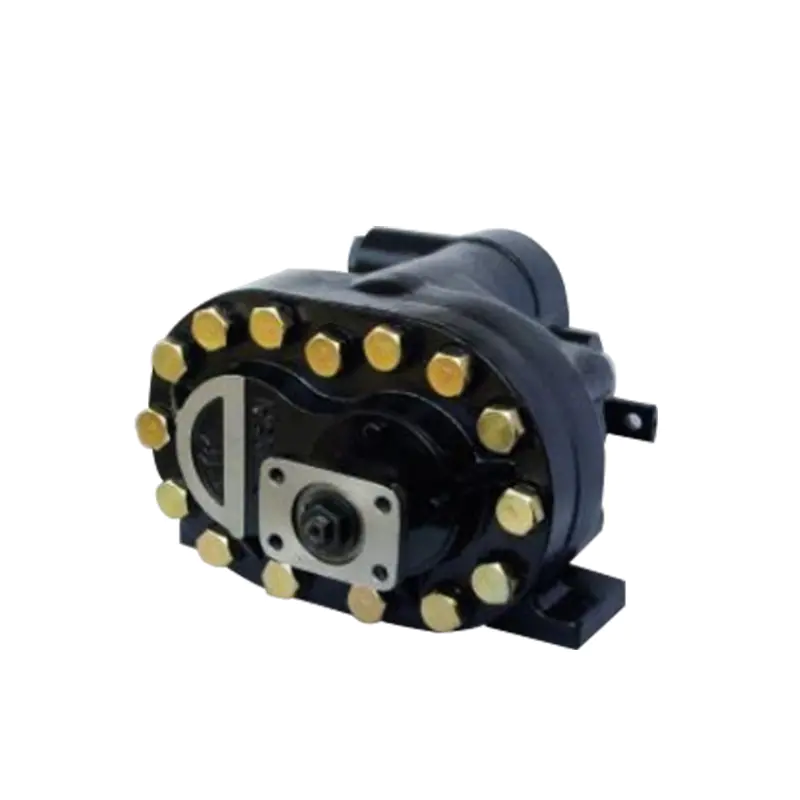
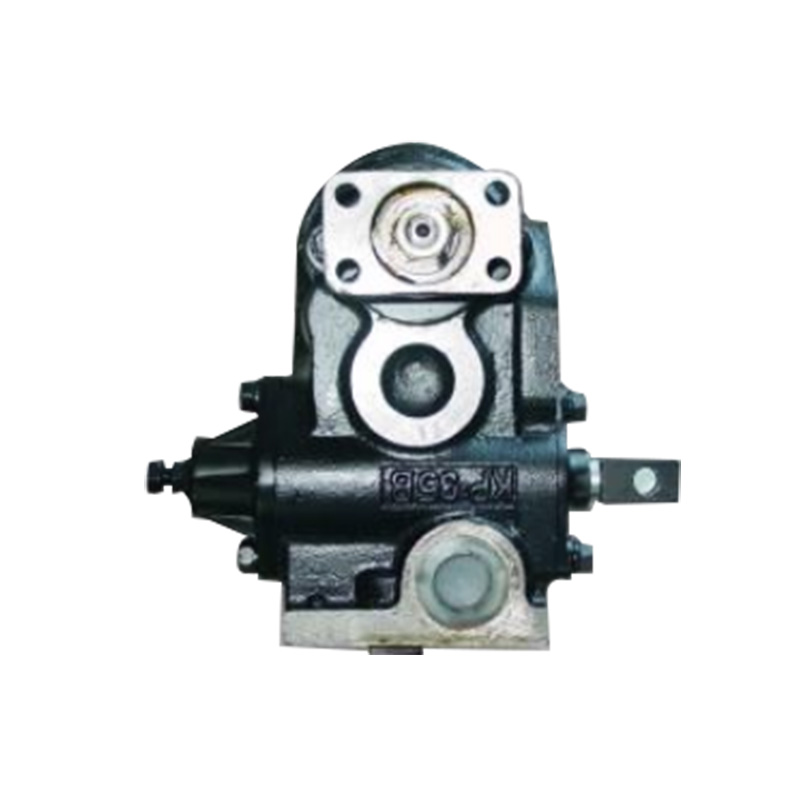
That's really why Commercial Gear Pump selection deserves more attention than a quick spec check on flow rate. The surrounding system, the working conditions the machine will actually see, the space left for installation, how often the equipment runs, and who will maintain it later all shape whether a given pump design genuinely fits.
A pump that works well in one machine might cause quiet trouble in another, even when both run on hydraulic power and look similar on a data sheet. Small differences in layout, mounting angle, or drive coupling can change everything about how that same pump needs to be installed and operated.
A gear pump takes mechanical rotation and turns it into hydraulic flow that the rest of the machine can put to work. Simple enough in concept, but how that pump interacts with everything downstream, the valves, the actuators, the reservoir, the control system, shapes how the whole machine actually behaves once it's running.
None of these parts exist in isolation. If the pump doesn't match the motor's speed range, or the reservoir can't supply fluid the way the pump expects, the machine ends up fighting itself in small ways that show up as noise, sluggish response, or premature wear.
| Equipment Consideration | Why It Matters in Practice |
|---|---|
| Machine function | Sets what kind of hydraulic action is actually needed |
| Installation space | Shapes pump size and how connections get routed |
| Operating pattern | Determines whether a given pump design holds up |
| Fluid conditions | Points toward suitable materials and seals |
| Maintenance access | Affects how convenient service will be down the road |
| System layout | Influences where the pump physically sits and connects |
The choice ripples into manufacturing too. A pump that bolts in cleanly and matches the existing frame structure tends to save real assembly time compared to one that needs brackets, adapters, or extra hose length improvised on the shop floor.
A commercial machine is generally expected to run reliably shift after shift for years, not just perform well during a demo. That means the pump has to be considered not only for how it works on day one, but for how easily it can be inspected, adjusted, and eventually swapped out once it's been in service a while.
Thinking this broadly from the start helps manufacturers avoid the trap of picking a pump because one spec looked good, while ignoring everything else it needs to work with.
Not every gear pump design suits every job, and the right pick usually comes down to the hydraulic system as a whole rather than any single pump's name or reputation.
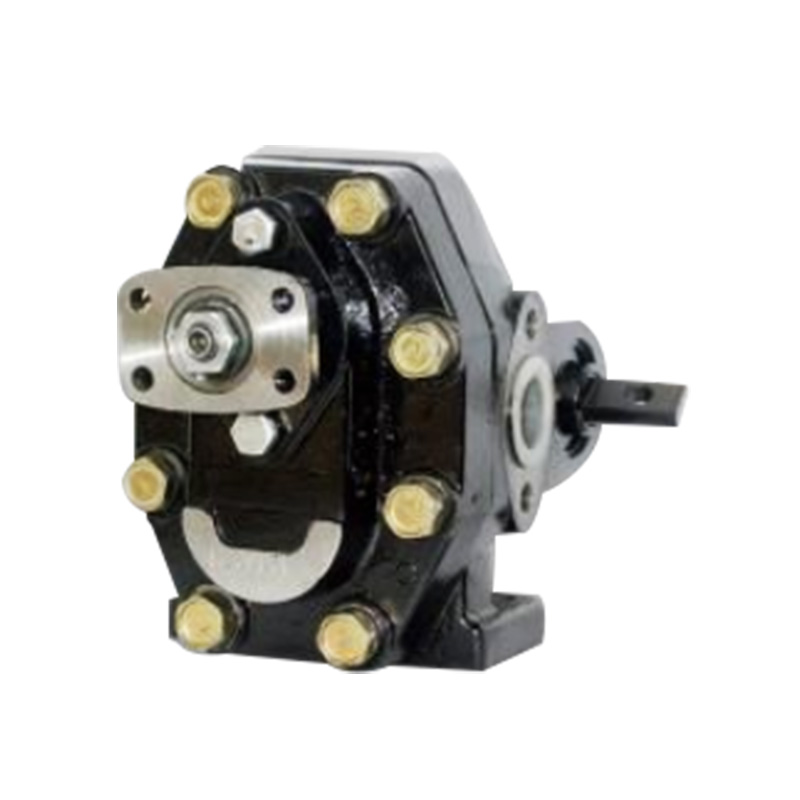
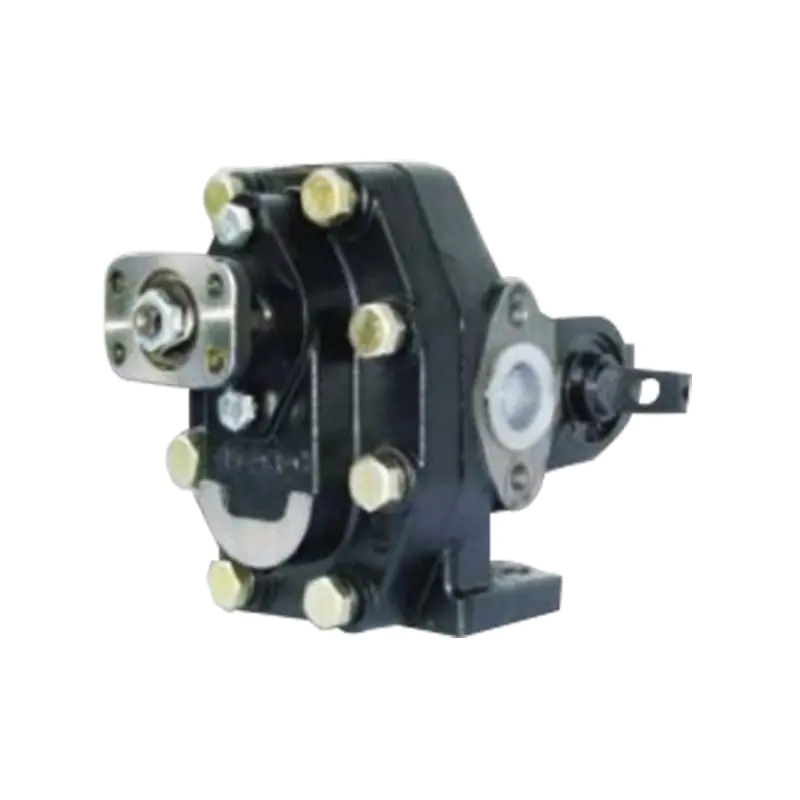
A Hydraulic Gear Pump Type can vary quite a bit in housing shape, shaft configuration, port placement, and mounting structure. These differences aren't just cosmetic; they directly affect how easily a given pump slots into a particular machine's existing layout.
Some machines need the smallest possible footprint because everything else is already packed tight around the engine bay. Others care more about running continuously for hours without a hiccup, or about being easy to pull out for servicing without disassembling half the machine around it.
A few grounded starting questions help narrow things down before getting lost in spec sheets:
Answering these first tends to narrow the field considerably before anyone starts comparing detailed technical specifications line by line.
It's also worth thinking a step ahead. A manufacturer building several related machine models might benefit from a pump design flexible enough to work across more than one layout, which can genuinely simplify parts inventory and technician training down the line. That said, compatibility still needs checking on each specific application rather than assumed just because two machines look similar from the outside.
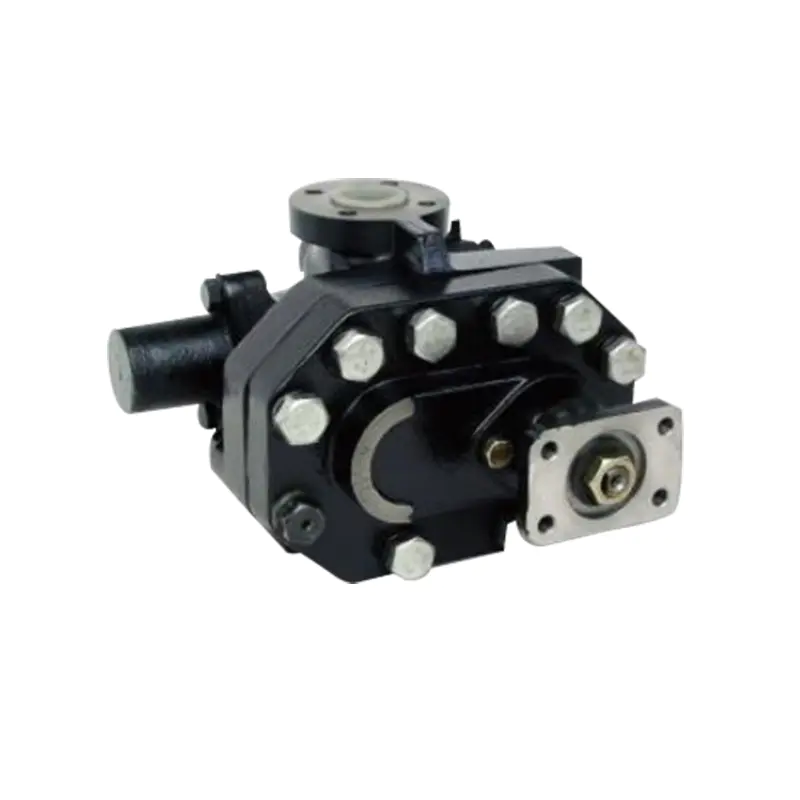
Housing material rarely gets the attention it deserves during pump selection, yet it quietly affects several practical things at once. An Aluminum Hydraulic Gear Pump tends to come up in conversation when designers want a housing that keeps the overall machine structure relatively manageable rather than adding unnecessary bulk.
Material choice reaches further than just how the pump looks sitting on a shelf. It affects how easily someone can lift and position it during assembly, how it sits alongside neighboring components, and how well it fits the space the machine's frame actually leaves available.
| Housing Consideration | Manufacturing Relevance |
|---|---|
| Material selection | Shapes overall handling and component characteristics |
| Housing shape | Affects how much installation space is actually usable |
| Mounting design | Determines how cleanly it connects to the machine |
| Port arrangement | Influences how hoses or pipes get routed around it |
| Surface finish | Affects installation ease and later service work |
Aluminum tends to get consideration in equipment where the total structural weight matters, whether that's a mobile machine where every pound affects transport or handling, or a compact unit where a lighter housing simplifies mounting brackets elsewhere in the design. The final call still comes down to the fluid being used, the environment the machine will actually operate in, and whatever mechanical demands the application places on the pump.
Checking how the housing sits relative to nearby parts matters just as much as the material itself. A pump can be mechanically fine on paper but still awkward to install if the surrounding components leave barely enough room to get a wrench in at the right angle.
Material selection, in other words, belongs in the broader system planning conversation rather than being treated as a separate line-item decision made after everything else is locked in.
The physical arrangement of a machine shapes pump choice more than most people expect walking into the selection process. The pump has to fit the available space while still maintaining sensible connections to whatever drives it and to the rest of the hydraulic circuit around it.
Some machines have generous internal space, room to spare around every component. Others pack their hydraulic parts in tight, leaving very little wiggle room for adjustment once the frame design is finalized.
A Commercial Gear Pump really needs evaluating against its specific intended installation rather than treated as some universal part that drops into any machine the same way.
| Layout Area | Question Worth Asking |
|---|---|
| Drive connection | Will the pump actually couple correctly to the drive shaft? |
| Hydraulic ports | Can hoses or pipes route naturally without awkward bends? |
| Mounting surface | Does the pump have solid, appropriate support underneath it? |
| Service access | Can a technician actually reach the important areas later? |
| Nearby components | Is there enough clearance for normal operation and inspection? |
Port placement in particular tends to cause more headaches than people anticipate. A poorly planned hose route can force sharp bends that restrict flow or wear out faster than they should, and it can turn a routine inspection into a genuine puzzle involving removing unrelated parts just to see the fitting clearly.
Where the pump physically sits also shapes how service actually happens in practice. If reaching the pump means removing a cover plate, a bracket, and half a wiring harness first, routine maintenance stretches from a fifteen-minute job into something that eats up half a morning.
Thinking through pump placement while the machine's overall layout is still being worked out, rather than after the frame is welded and painted, tends to head off most of these problems before they ever become real.
Hydraulic fluid does more than simply pass through the pump on its way somewhere else. It sits in constant contact with internal surfaces, seals, and every other component the fluid touches throughout the whole circuit, so its properties matter well beyond just lubrication.
The pump chosen needs to actually suit the fluid the machine will run on, and manufacturers should lean on the pump supplier's own guidance about compatible fluid types and acceptable operating conditions rather than guessing.
Cleanliness matters just as much as fluid type. Contamination has a way of sneaking into a hydraulic system during manufacturing, during initial installation, during a service visit, or simply through normal wear and tear over months of operation.
A sensible approach to fluid management usually includes:
The hydraulic circuit's layout should keep the fluid path in mind from the start. A badly routed line, an unsuitable fitting, or inadequate protection against contamination can create problems that get blamed on the pump itself, when the pump was actually working exactly as designed the whole time.
For equipment manufacturers, fluid compatibility deserves a seat at the table right alongside mechanical fit and installation planning, not an afterthought handled once everything else is already decided.
Two machines can use nearly identical hydraulic components and still face completely different working lives. A piece of mobile equipment bouncing across a job site deals with constant vibration and shifting surroundings, while a machine bolted down inside a climate-controlled factory floor faces a much steadier environment.
That operating environment reaches into housing choice, sealing decisions, mounting design, and how maintenance gets planned out over the equipment's life.
| Operating Environment | What Deserves Attention |
|---|---|
| Mobile equipment | Secure mounting and genuine vibration resistance |
| Factory machinery | Service access and clean system integration |
| Outdoor equipment | Protection against weather and general exposure |
| Compact equipment | Careful use of available space and connections |
| Frequently used machinery | A realistic maintenance schedule |
Temperature swings deserve a mention too. A machine that sits outside through both summer heat and winter cold puts different demands on seals and fluid viscosity than one running indoors at a steady temperature year-round.
Noise is worth thinking about as well. The pump is one part of a larger machine, but its sound characteristics contribute directly to how loud or quiet the finished equipment feels to the person actually operating it all day.
None of this means every operating scenario needs to be treated like a brand-new research project. A clear picture of where and how the machine will actually be used points fairly directly toward which factors deserve real attention during pump selection and which ones matter less for that particular application.
A pump can perform perfectly well right off the assembly line and still create real headaches years into the machine's service life if maintenance wasn't part of the original thinking. Planning for upkeep belongs in product development from early on, not tacked on after the design is finished.
Access is the practical heart of this issue. Technicians need a reasonable way to check connections, spot leaks before they become serious, and carry out whatever service the pump eventually needs.
A pump buried deep inside a machine's structure can turn even routine work into a much bigger job, regardless of how well-suited the pump itself is to the application.
| Maintenance Area | Practical Question to Ask |
|---|---|
| Pump access | Can a technician actually reach the component without a struggle? |
| Connections | Can hydraulic lines be inspected without major disassembly? |
| Mounting | Can the pump be pulled out when it genuinely needs replacing? |
| Fluid management | Is fluid condition easy to monitor over time? |
| Replacement | Is there a clear, compatible path for swapping the part? |
Routine inspection catches small issues while they're still small. Unusual noise during operation, a slow leak that wasn't there last month, a noticeably weaker hydraulic response, or visible surface damage are all worth a closer look rather than waiting for something to fail outright.
Maintenance instructions written for the people actually doing the work matter here too. A commercial machine often gets serviced by different technicians over its working life, sometimes years apart, so clear documentation makes a real difference to whoever picks up that wrench next.
Choosing a component shapes more than just how the finished machine performs. A pump that demands a complicated, fiddly assembly process can slow down production and complicate quality checks in ways that ripple through the whole manufacturing line.
Manufacturers do well to check whether a selected pump actually fits existing assembly workflows. Mounting points, hydraulic connections, drive alignment, and inspection steps all need to line up reasonably well with however the machine is actually built on the factory floor.
Standardizing components across a product family can genuinely help when several machine models share related hydraulic systems. Using compatible pumps across a lineup tends to simplify purchasing, cuts down training time for assembly workers, and makes service parts easier to stock and track.
That said, standardization shouldn't override application-based selection. A component still has to genuinely suit the specific machine it ends up in, even if it's part of a broader shared parts strategy across the product line.
| Production Concern | Where the Focus Should Sit |
|---|---|
| Assembly | How easily the pump mounts and connects |
| Purchasing | Whether compatible components stay readily available |
| Quality control | How easily installation can actually be verified |
| Service | How convenient replacement and inspection turn out to be |
| Product range | Whether the pump fits sensibly across related models |
Clear, early communication between equipment designers, purchasing teams, and pump suppliers tends to head off a lot of misunderstandings before they become expensive to fix. Sharing details about the machine's intended use, its installation layout, the hydraulic circuit design, and the environment it'll operate in gives a supplier what they actually need to recommend something suitable, rather than guessing from a generic spec sheet.
This kind of cooperation matters most when a manufacturer is developing something genuinely new, rather than simply swapping a pump in an existing, already-proven design.
Prototype testing deserves a place in this process too. Running the actual pump inside a real machine structure, rather than judging it purely on paper specifications, tends to surface installation quirks or operating issues that never show up when the component is evaluated on its own.
For commercial equipment, the real goal isn't just finding a pump that technically runs. It's finding one that genuinely fits the machine's hydraulic needs, its physical structure, the way it gets built on the production line, how it will be maintained over years of service, and the actual environment it's going to spend its working life in.
We focus on the research, development, manufacturing and service of various high-pressure and high-displacement gear pumps and related products and copper and woodblock printing machines.
Are You Ready To Cooperate
With Xianju Liming Machinery Co., Ltd. ?
* Your email is safe with us, we don't spam.

Xianju Liming Machinery Co., Ltd. specializes in the production of various high-pressure and high-displacement gear pumps and related products. We also specialize in producing various specifications of copperplate engraving machines, woodblock printing machines and other printmaking art equipment.
Contact Info
+86-13676695112
+86-18868136522
+86-576-87733908
+86-576-87719094
No. 407, Chuancheng North Road, Anzhou Street, Xianju County, Taizhou City, Zhejiang, China.
Mobile web
