 English
 中文简体
中文简体

+86-13676695112
+86-18868136522
+86-576-87733908
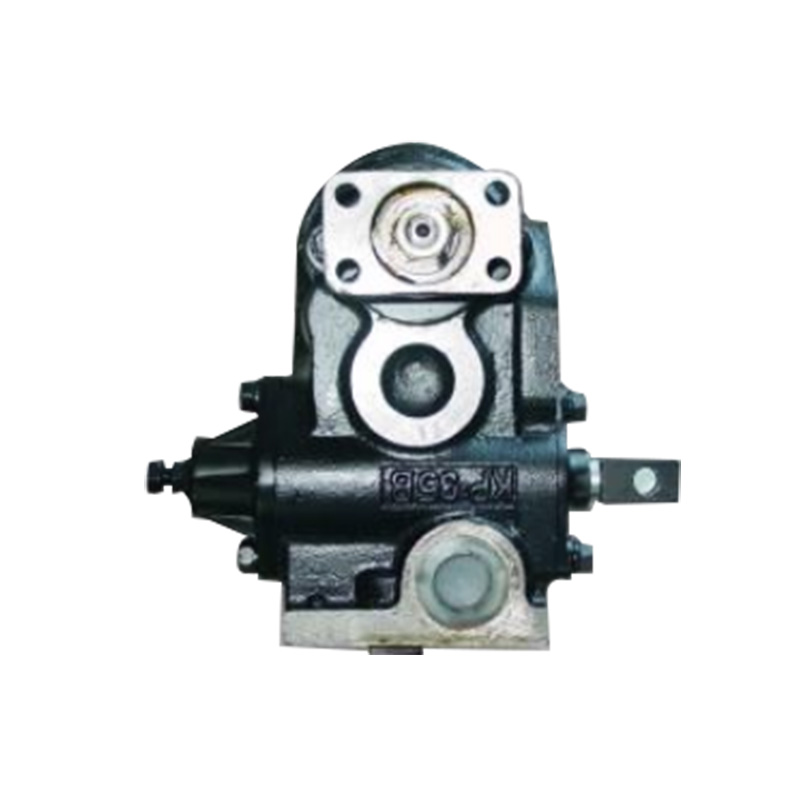
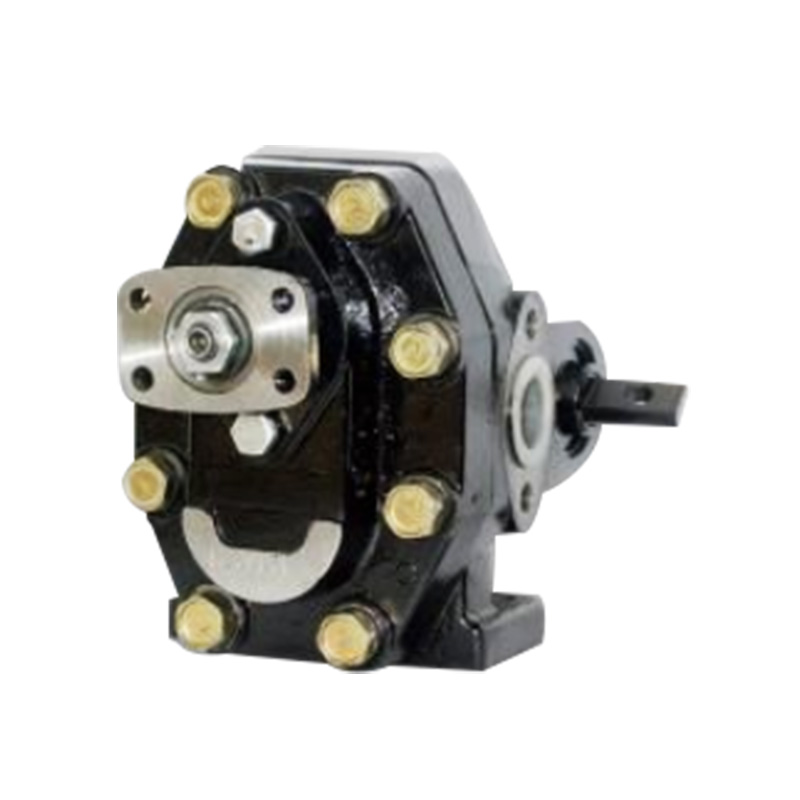
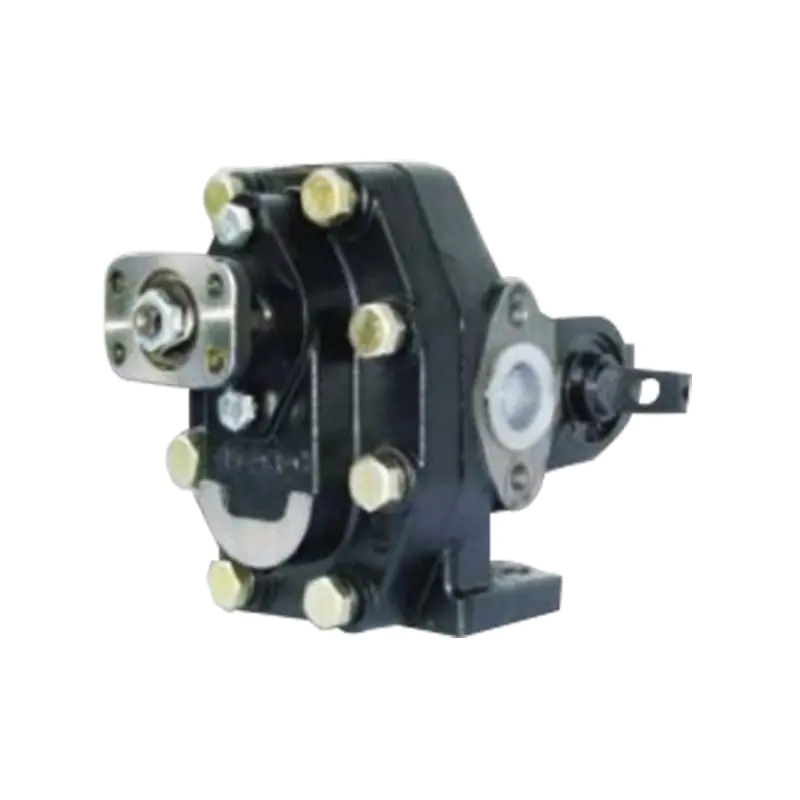
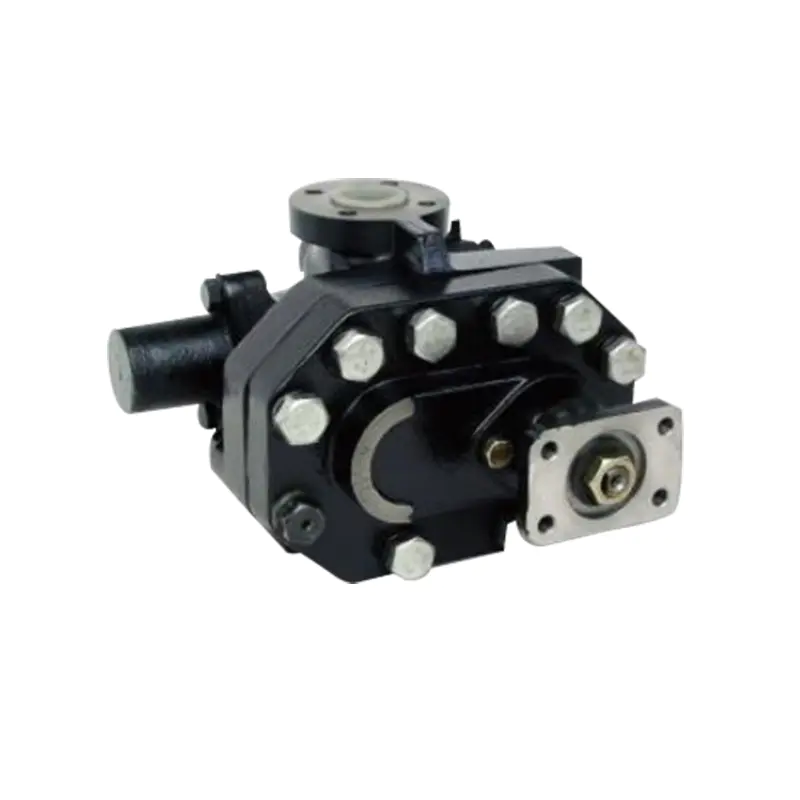
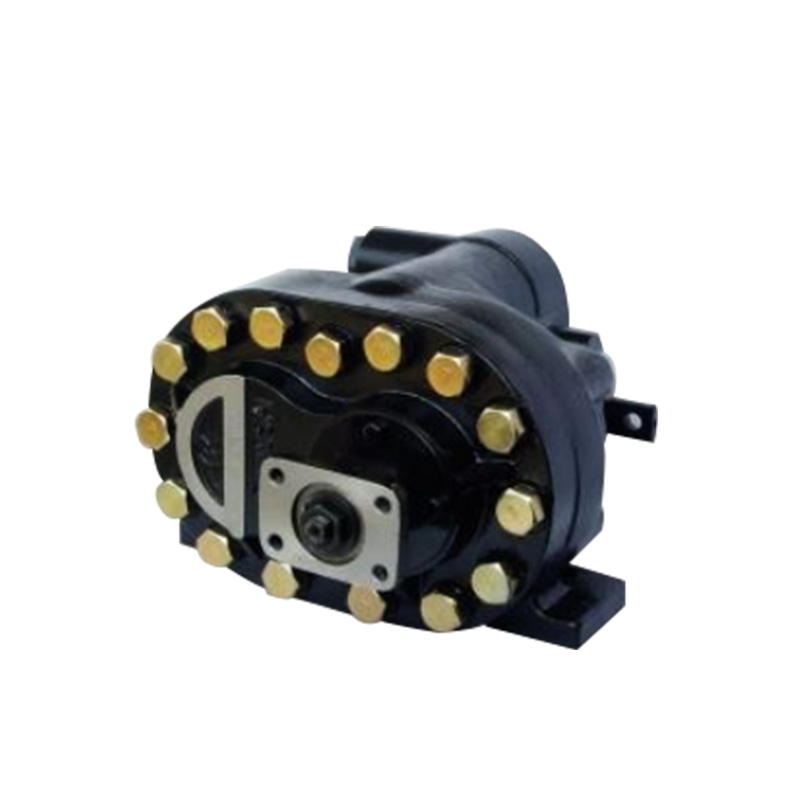
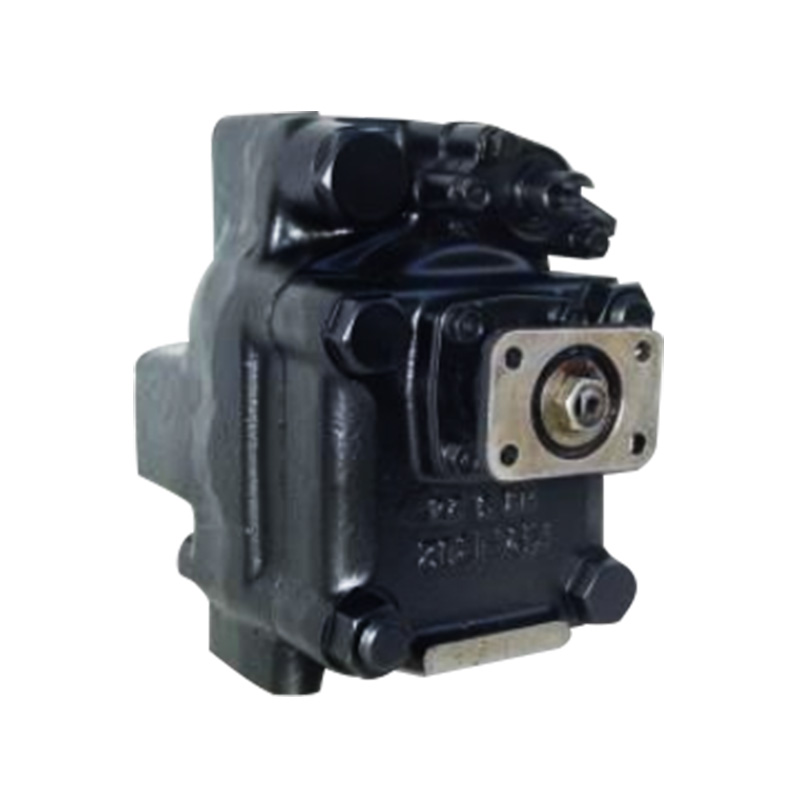
A farmer replacing a hydraulic hose on an old tractor notices a small metal unit tucked behind the engine block, quietly pushing fluid through the lines that raise and lower the plow attachment. He's never given it a second thought in fifteen years of owning that machine. It just works, every single time he needs it to. That's the kind of equipment gear pumps tend to be — unglamorous, rarely noticed, and doing genuinely important work in the background of countless machines people rely on daily. Commercial Gear Pumps turn up in places most people never think to look — bottling lines, delivery trucks, chemical plants, farm equipment, even the hydraulic lifts at an auto repair shop. Anywhere fluid needs to travel from one point to another with some consistency, a gear pump is probably doing that job somewhere out of sight.
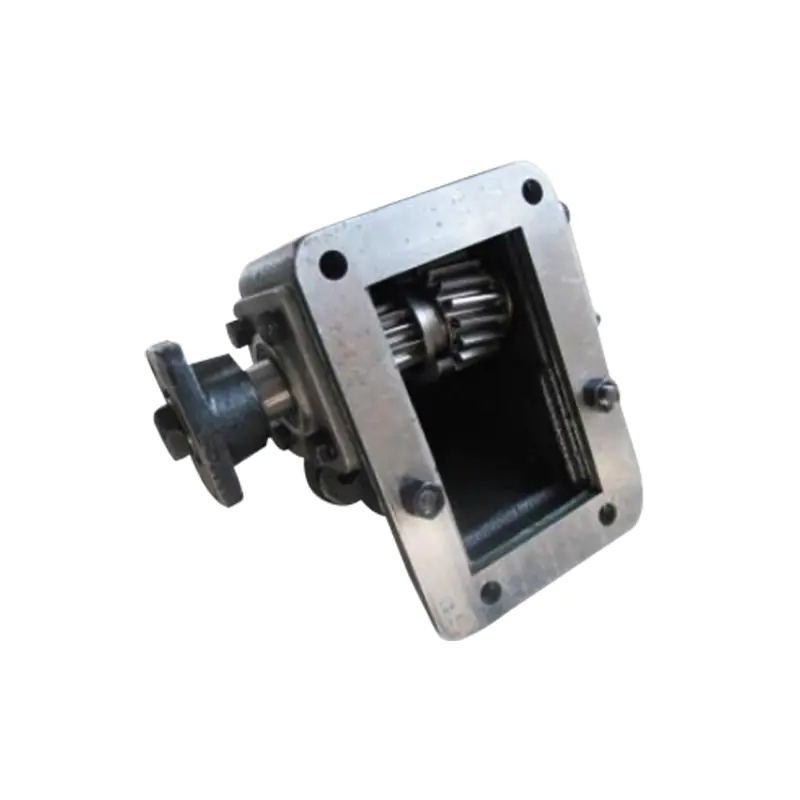
The basic mechanism is easier to picture than it sounds on paper. Two gears sit meshed together inside a snug housing, spinning in opposite directions. As their teeth pull apart on the intake side, that separation creates space, drawing fluid in. As those same teeth mesh back together further along, they push the fluid out toward wherever it needs to go next.
A working pump generally includes:
Set against some other pumping technologies, this whole setup stays fairly uncomplicated. Fewer moving parts tends to mean fewer failure points, which explains a lot about why this design keeps turning up across such different equipment.
The point was never just moving fluid from one spot to another. It's moving that fluid at a steady, predictable rate, shift after shift, without the flow suddenly surging or dropping off without warning.
The underlying idea stays the same across the board, but the internal layout shifts depending on what job a particular pump needs to handle.
| Type | Basic Structure | Where It Tends to Land |
|---|---|---|
| External gear pump | Two gears positioned side by side | Lubrication lines, general industrial fluid transfer |
| Internal gear pump | A smaller gear rotating inside a larger one | Chemical handling, processing equipment |
| Hydraulic gear pump | Built around pressurized fluid power delivery | Mobile machinery, hydraulic-driven systems |
| Custom gear pump | Shaped around a specific process's particular demands | Specialized commercial or industrial jobs |
External gear pumps tend to be what people picture right away — a compact, no-frills design that slots into a lot of different systems without much fuss.
Internal gear pumps handle fluid a bit more gently by design, which suits situations where a rougher, more forceful push might actually cause problems rather than solve them.
Hydraulic gear pumps do the heavy lifting inside machinery that runs on fluid pressure rather than direct mechanical force — picture construction equipment or farm machinery, where hydraulic arms and lifts depend entirely on steady pressure just to move.
Custom gear pumps come into play when nothing off the shelf quite fits. Sometimes a manufacturer building a very specific piece of equipment needs a pump adjusted to match, and that's exactly the gap this category fills.
Gear pumps have a habit of blending right into the background of a lot of industries, handling work that barely registers with the people around them.
Inside manufacturing plants, they're frequently built into production lines, moving lubricants or process fluids between different stages without ever slowing down the overall workflow.
Vehicles and transportation equipment lean on compact versions to circulate fluid through engines and hydraulic systems, where space under the hood or chassis is genuinely limited and dependable operation isn't something anyone wants to gamble on.
Chemical processing facilities use gear pumps to move specific substances through various stages of production, though material compatibility becomes a serious concern here — pairing the wrong pump material with the wrong chemical can cause real trouble fast.
Food processing equipment sometimes relies on gear pumps too, though hygiene standards and material requirements shift considerably compared to a factory floor, since anything touching food carries its own distinct set of rules.
A handful of other places worth mentioning:
That spread across so many unrelated industries says a lot about how adaptable the basic gear pump concept really is, without needing a completely different mechanism every time the application changes.
There's a reason this particular pump design has held on across so many industries for so long.
The rotating gear mechanism keeps fluid moving at a fairly even rate, which genuinely matters in processes where sudden surges or drops could throw an entire production run off track.
Fewer complicated parts means operators and maintenance staff can generally grasp what's happening inside the pump, rather than treating it like some sealed mystery box only a specialist can touch.
Swapping materials, seals, and internal configurations lets essentially the same pump design handle everything from thin lubricating oil to noticeably thicker industrial fluids.
Gear pumps generally stay compact, which matters a lot in equipment layouts where space is tight — particularly inside vehicles or densely packed industrial machinery.
Matched properly to its actual job and kept up with regular maintenance, a gear pump tends to keep running dependably for a long stretch without needing constant babysitting.
Picking a pump really shouldn't come down to grabbing whatever's cheapest or most familiar off a supplier's list. It comes down to genuinely understanding the job it's meant to do.
Viscosity, chemical properties, and cleanliness requirements all shape which pump materials and internal designs will actually hold up over time. A pump built around thin lubricating oil won't necessarily handle a thick industrial fluid the same way.
Running continuously around the clock calls for different considerations than a pump that only kicks on occasionally throughout a shift. Matching the pump to how it'll genuinely be used avoids a lot of avoidable headaches later.
A pump that's easy to inspect and service saves real time and frustration compared to one wedged into a hard-to-reach spot or built with parts that are a nightmare to replace.
Manufacturers with genuine experience can offer guidance rooted in the specific application, rather than a business having to guess based on a spec sheet alone.
A handful of factors work together in determining whether a gear pump ends up performing well or turning into a recurring source of frustration.
Design quality matters right from the start — how precisely the gears are machined and how tightly the housing fits together both influence how efficiently fluid actually moves through the whole system.
Installation carries more weight than people often expect. A pump connected poorly or set up out of alignment can create problems that have nothing to do with the pump itself being a flawed product.
Operating conditions need to genuinely match what the pump was actually built to handle. Pushing a pump well outside its intended temperature or pressure range tends to shorten its working life noticeably.
Ongoing maintenance ties all of this together. Regular cleaning, periodic inspection, and swapping worn components before they actually fail keep a gear pump running the way it's supposed to for years rather than just a few months.
Industries keep searching for equipment that balances a practical design with dependable, everyday performance, and gear pumps have managed to stay relevant by simply continuing to do exactly that.
Manufacturers keep refining materials and internal layouts, chasing improvements that let gear pumps handle a wider spread of fluids and working conditions without needing an entirely new pump category every time.
Businesses, for their part, are paying closer attention to how pump choices affect energy use, maintenance schedules, and operating costs stretched out over years, rather than just the number on the initial invoice.
As industrial processes keep growing more specialized, gear pumps continue holding their ground because they adapt reasonably well without demanding a complicated overhaul every time requirements shift a little.
A gear pump isn't just a piece of hardware bought off a shelf and forgotten about afterward — it becomes part of a bigger system that all needs to work together smoothly. Before committing to one, it helps to actually walk through the working conditions the pump will face, what fluids it'll be handling, what maintenance access will realistically look like down the road, and how those needs might shift as operations grow or change over time. Taking that time upfront tends to pay off in the long run. A gear pump chosen thoughtfully and cared for properly can keep daily operations running smoothly for years, doing its job quietly in the background the same way that hydraulic pump on the farmer's old tractor has been doing for a decade and a half without anyone giving it a second thought.
We focus on the research, development, manufacturing and service of various high-pressure and high-displacement gear pumps and related products and copper and woodblock printing machines.
Are You Ready To Cooperate
With Xianju Liming Machinery Co., Ltd. ?
* Your email is safe with us, we don't spam.

Xianju Liming Machinery Co., Ltd. specializes in the production of various high-pressure and high-displacement gear pumps and related products. We also specialize in producing various specifications of copperplate engraving machines, woodblock printing machines and other printmaking art equipment.
Contact Info
+86-13676695112
+86-18868136522
+86-576-87733908
+86-576-87719094
No. 407, Chuancheng North Road, Anzhou Street, Xianju County, Taizhou City, Zhejiang, China.
Mobile web
