 English
 中文简体
中文简体

+86-13676695112
+86-18868136522
+86-576-87733908
Standing in front of a spec sheet trying to figure out why a pump barely bigger than your fist can actually move enough fluid to run a piece of equipment is a fair thing to be confused about. You might be picking a compact pump for a new build and wondering how something this small handles the job, or maybe you're troubleshooting a piece of machinery and trying to understand what's actually happening inside that metal housing before deciding whether to replace it. If you've been searching for how a Small Hydraulic Gear Pump actually works, a straightforward explanation beats another product page full of specs without context.
Every hydraulic system depends on fluid moving where it needs to go, and the pump is the part responsible for making that happen. Among the different pump designs out there, Hydraulic Gear Pumps get chosen often when space is tight, reliability matters, and steady operation counts for more than raw output. Once you break the working process down piece by piece, the underlying idea turns out to be a lot simpler than the compact, sealed housing makes it look from the outside.
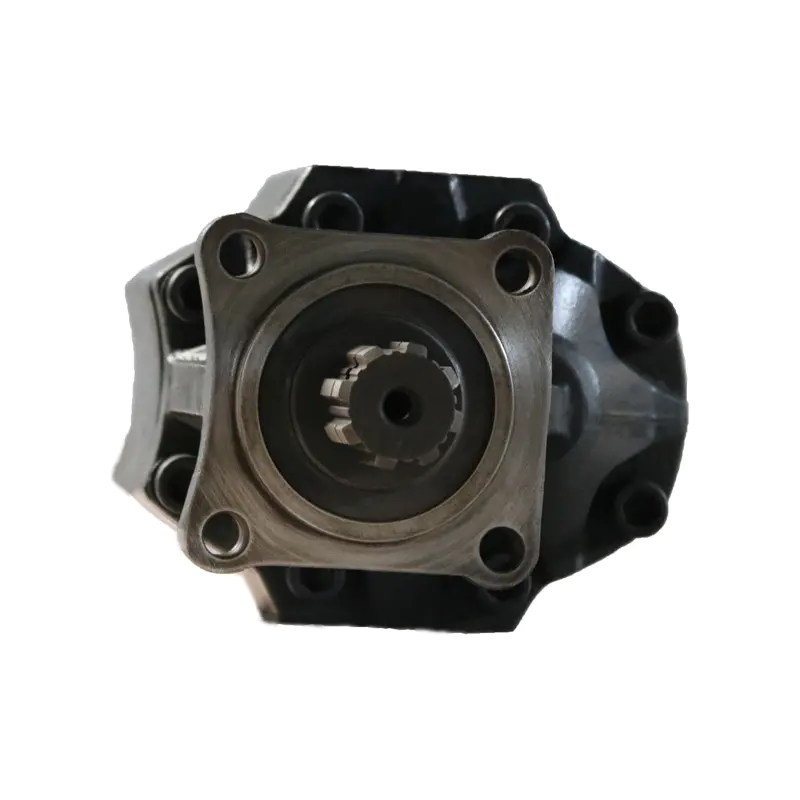
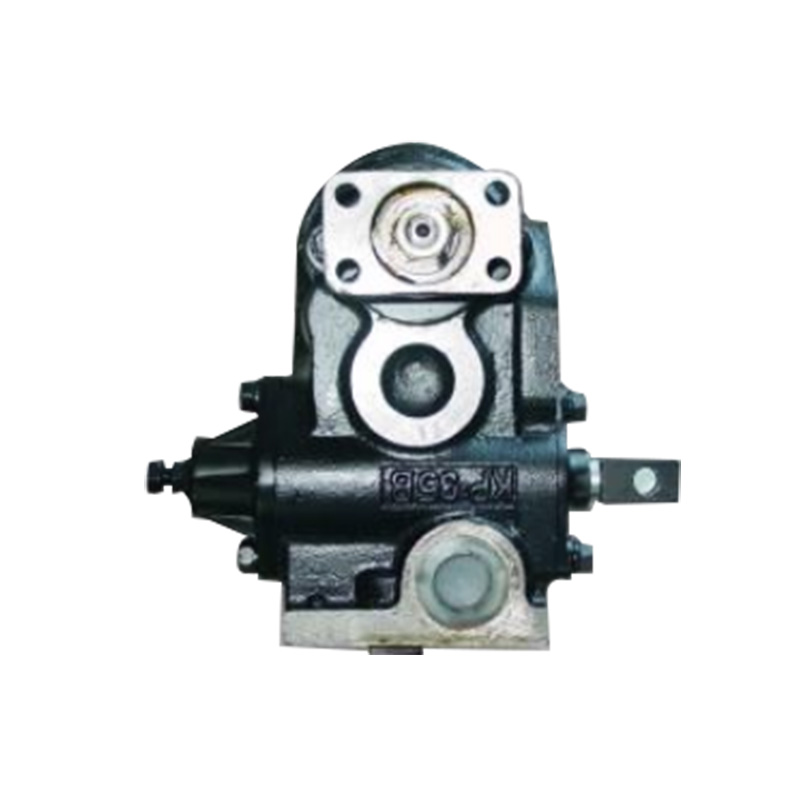
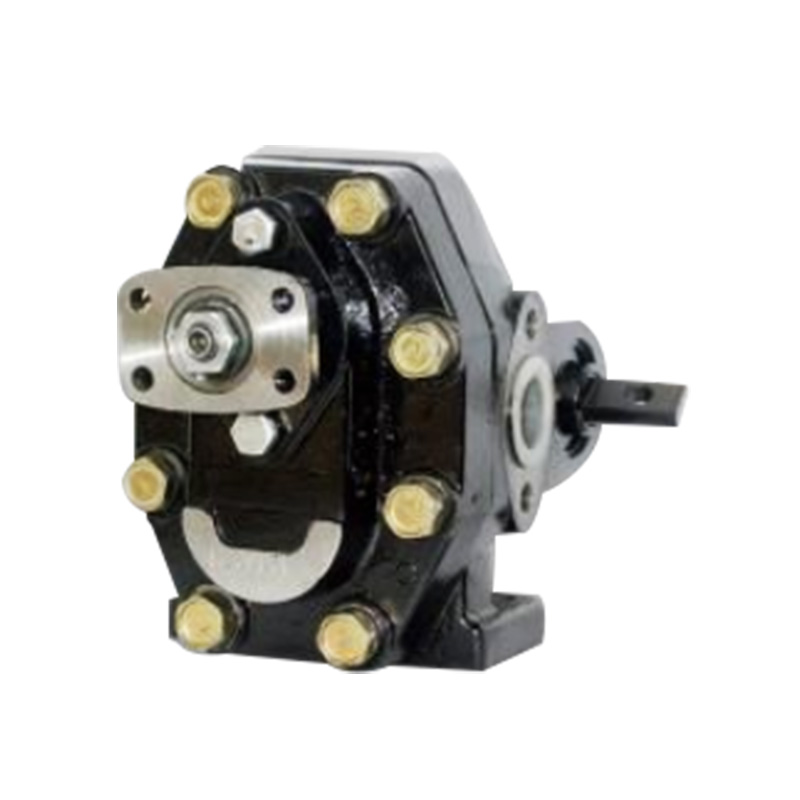
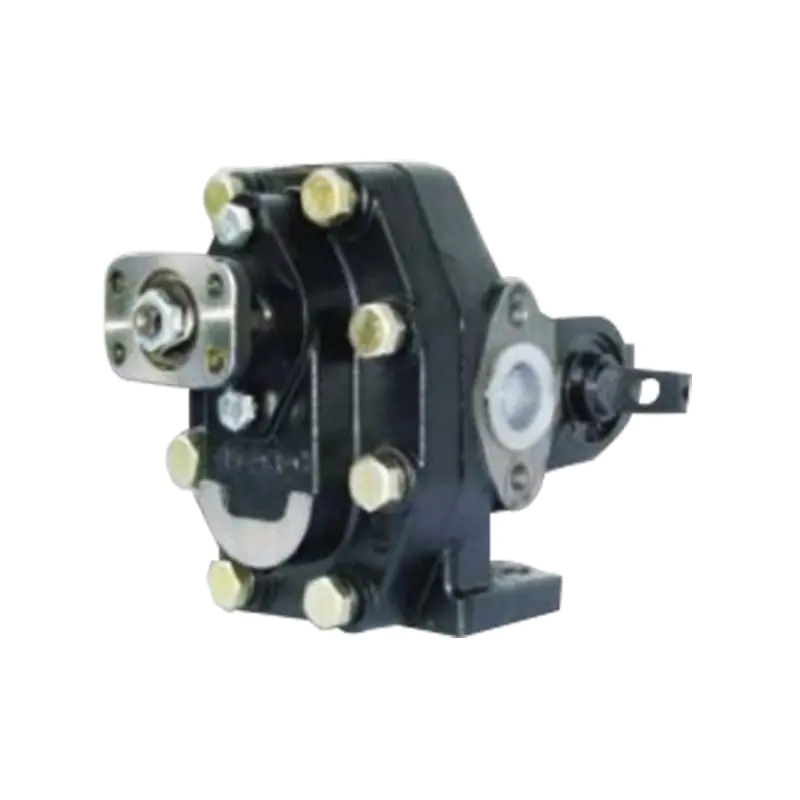
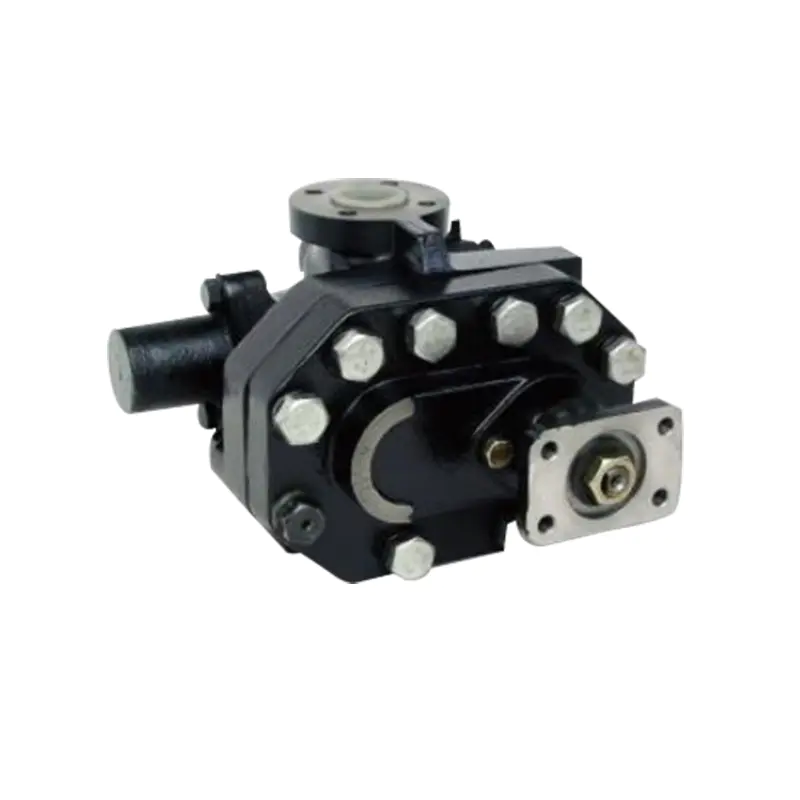
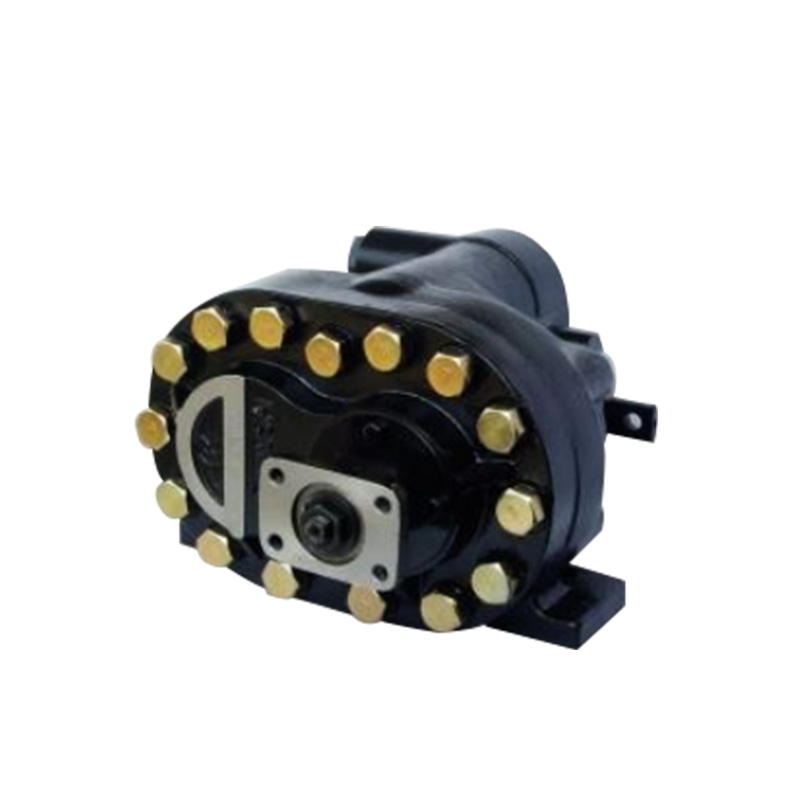
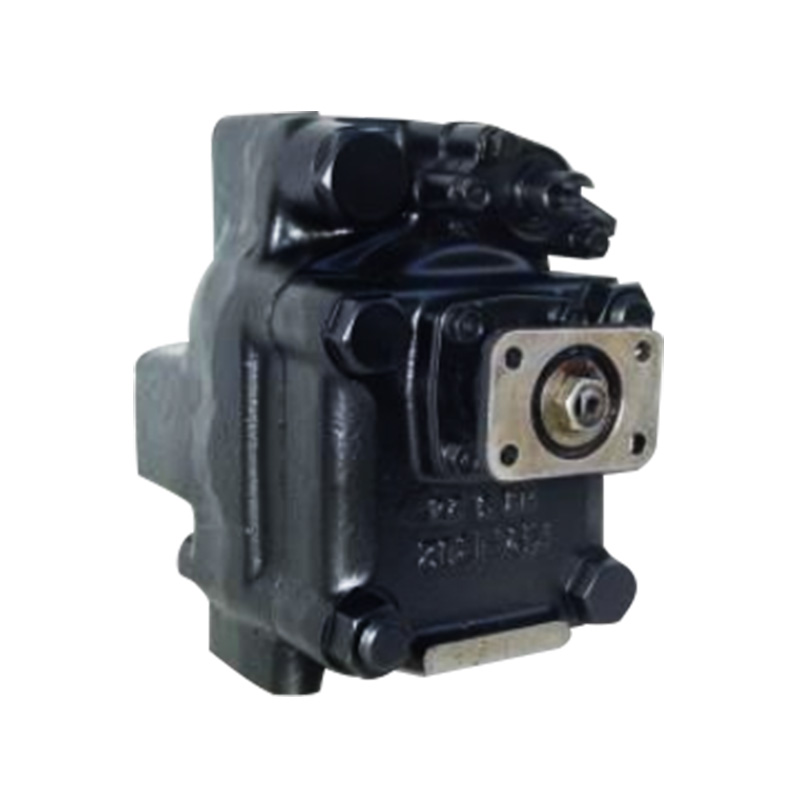
A Small Hydraulic Gear Pump moves fluid from one part of a hydraulic system to another, creating the fluid movement that lets connected equipment actually perform whatever task it's built for.
The pump never works in isolation. It operates alongside other components that guide where fluid flows and convert that flow into actual mechanical action, whether that's lifting something, clamping something, or driving a motor.
Plenty of compact equipment simply doesn't have room for a bulky pump. A smaller design lets engineers arrange a tighter layout without giving up the fluid movement the system genuinely needs to function.
| Function | Purpose |
|---|---|
| Fluid movement | Transfers fluid through the hydraulic system |
| Pressure creation | Helps generate force needed for equipment operation |
| Flow support | Keeps fluid circulating continuously during use |
| System connection | Works alongside other hydraulic components |
Size doesn't determine how much a component actually matters here. Even a pump small enough to fit in one hand can shape how the entire connected system performs.
The working principle behind a Pump comes down to gears rotating inside a tightly fitted housing.
As those gears turn, they create small spaces between the gear teeth and the housing wall, and those spaces carry fluid from the inlet side over toward the outlet side. Fluid follows the gears' rotation and keeps moving forward through the system rather than sitting still.
The basic sequence looks something like this:
The gears aren't shoving fluid forward the way a paddle pushes water directly. Instead, their rotation creates a controlled pathway that guides fluid along a specific route, almost like a conveyor made of tiny pockets rather than a direct mechanical push.
This straightforward mechanical approach is exactly what lets the pump deliver consistent fluid transfer throughout normal operation, cycle after cycle.
The gears sit at the center of how this entire pump type functions.
Their rotation is what actually creates the internal spaces responsible for carrying fluid through the pump. How well those gears fit against the surrounding housing directly shapes how smoothly the whole pump runs day to day.
A well-fitted gear arrangement keeps fluid movement steady and predictable. When internal parts stop working together properly, whether from wear or a manufacturing inconsistency, the pump's operation tends to change in ways that show up as reduced output or unusual noise.
| Gear Function | Impact |
|---|---|
| Fluid transfer | Moves hydraulic fluid through the pump body |
| Continuous rotation | Keeps operation running without interruption |
| Internal sealing | Helps control where fluid actually goes |
| Mechanical connection | Transfers rotational movement through the pump |
The internal structure looks fairly simple sitting on a workbench, but every one of these parts genuinely contributes to how the pump actually performs once it's installed and running.
The Pumps turn up across a wide range of equipment wherever controlled fluid movement needs to happen without taking up much physical space.
Their compact footprint makes them a practical fit for systems where installation space genuinely needs careful planning, like machinery built with tight internal clearances or mobile equipment where every inch of space matters.
A few places they commonly show up:
Different applications bring different demands. A pump working well inside one piece of equipment might not suit another setup at all, which is exactly why understanding the actual working environment matters before settling on a specific pump.
It's real-world performance depends on several conditions working together, not just the pump sitting there on its own.
Fluid movement quality isn't determined by the pump alone. The surrounding system plays just as big a role in how well everything actually works together.
The condition of the hydraulic fluid running through the system shapes internal movement and overall performance directly. Clean fluid reduces unnecessary wear on the internal gears and housing, while contaminated fluid can act almost like sandpaper over time.
Where and how a pump gets positioned within a piece of equipment affects how accessible it is for maintenance and how well it connects with the rest of the system.
Frequent shifts in how a piece of equipment gets used day to day can influence how the pump experiences daily wear and operating stress.
The pump genuinely needs to match what the connected equipment actually requires, rather than just fitting physically into an available space.
Looking at these factors together helps buyers avoid focusing entirely on the pump itself while ignoring the broader system it's actually operating within.
Like most mechanical components running under repeated use, a Small Hydraulic Gear Pump changes gradually the longer it stays in service.
Some issues build up slowly, starting as small changes that are easy to miss during a normal workday.
A few signs worth paying attention to:
None of these signs automatically point to a serious failure. Often they simply suggest it's time for an inspection or a bit of routine maintenance before the issue grows into something bigger.
Regular observation helps someone understand what normal operation actually feels and sounds like, which makes it far easier to notice when something's genuinely changed. Ignoring small changes tends to make troubleshooting harder later, once the original cause gets buried under secondary problems that developed afterward.
Maintenance plays a real role in keeping any hydraulic component, including a small gear pump, working the way it's supposed to.
Even though these pumps are built for repeated daily operation, regular care protects the internal parts and supports steadier performance across months and years of use.
| Maintenance Activity | Purpose |
|---|---|
| Checking fluid condition | Supports cleaner internal operation |
| Inspecting connections | Helps catch possible issues early |
| Keeping the surrounding area clean | Reduces outside contamination reaching the pump |
| Monitoring operation changes | Helps spot unusual conditions before they worsen |
Maintenance isn't only about fixing something once it's already broken. It also helps someone stay familiar with the actual condition of a piece of equipment before an unexpected interruption forces the issue during a busy production day.
A simple, consistent inspection routine ends up providing genuinely useful information about how a pump is performing over time, rather than relying on guesswork whenever something eventually goes wrong.
Picking a Small Hydraulic Gear Pump involves a lot more than measuring how much physical space it takes up.
Buyers need to think through how the pump will actually function within the complete system it's joining. A sound choice depends on the equipment's design, the conditions it'll operate under, and how maintenance will realistically get handled down the road.
A few questions worth asking before making a purchase:
Working through these questions helps buyers evaluate their options with a lot more clarity than just comparing size and price side by side.
A pump never operates as an isolated part sitting by itself. It's one piece of a larger connected system where every component shapes how well the whole thing runs together.
Understanding how a Small Hydraulic Gear Pump actually works gives a much clearer picture of why this small component matters more than its size suggests. The gears inside create controlled fluid movement, while everything surrounding the pump determines how effectively that movement actually gets put to use. For buyers and equipment professionals alike, learning about the pump's internal structure, its working process, its maintenance needs, and the conditions it'll actually operate under makes it far easier to judge whether a specific pump genuinely fits the job at hand. A component this small stays completely hidden inside the machinery it powers, yet its role in keeping hydraulic operation reliable continues shaping how the entire connected system performs, day after day, long after installation is finished.
We focus on the research, development, manufacturing and service of various high-pressure and high-displacement gear pumps and related products and copper and woodblock printing machines.
Are You Ready To Cooperate
With Xianju Liming Machinery Co., Ltd. ?
* Your email is safe with us, we don't spam.

Xianju Liming Machinery Co., Ltd. specializes in the production of various high-pressure and high-displacement gear pumps and related products. We also specialize in producing various specifications of copperplate engraving machines, woodblock printing machines and other printmaking art equipment.
Contact Info
+86-13676695112
+86-18868136522
+86-576-87733908
+86-576-87719094
No. 407, Chuancheng North Road, Anzhou Street, Xianju County, Taizhou City, Zhejiang, China.
Mobile web
