 English
 中文简体
中文简体

+86-13676695112
+86-18868136522
+86-576-87733908
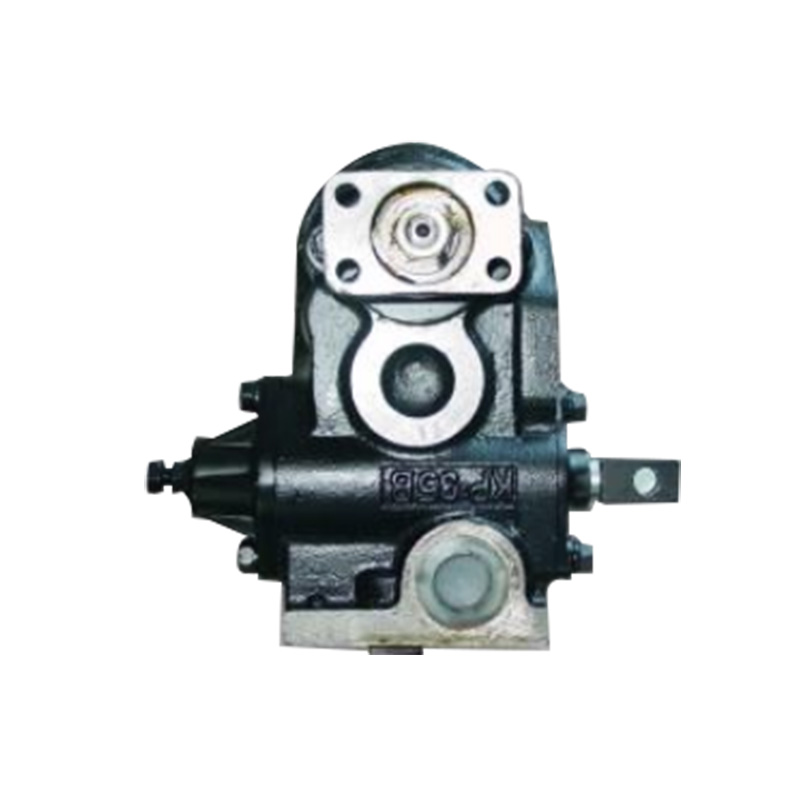
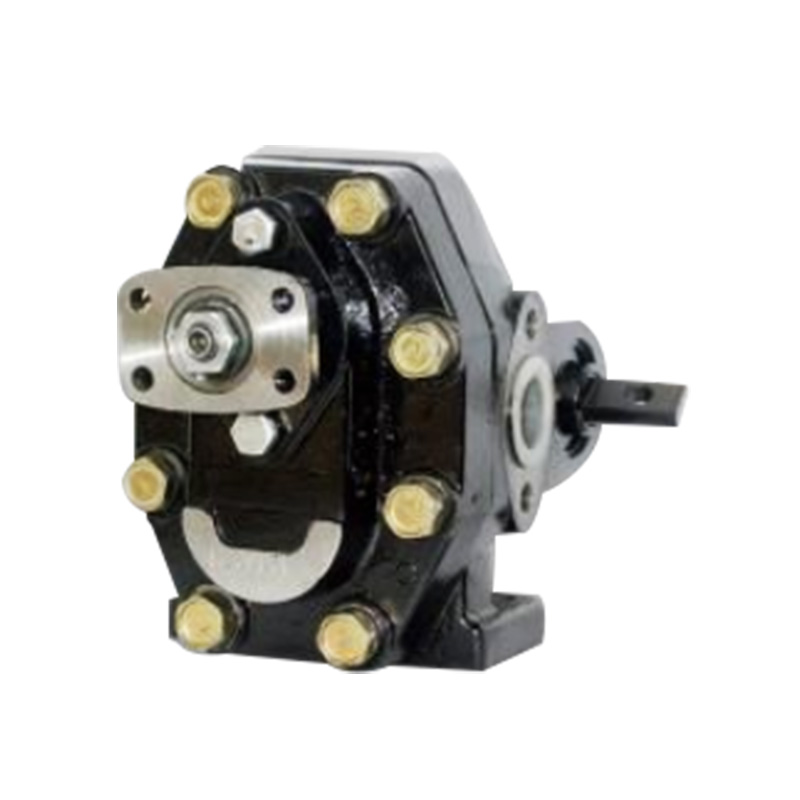
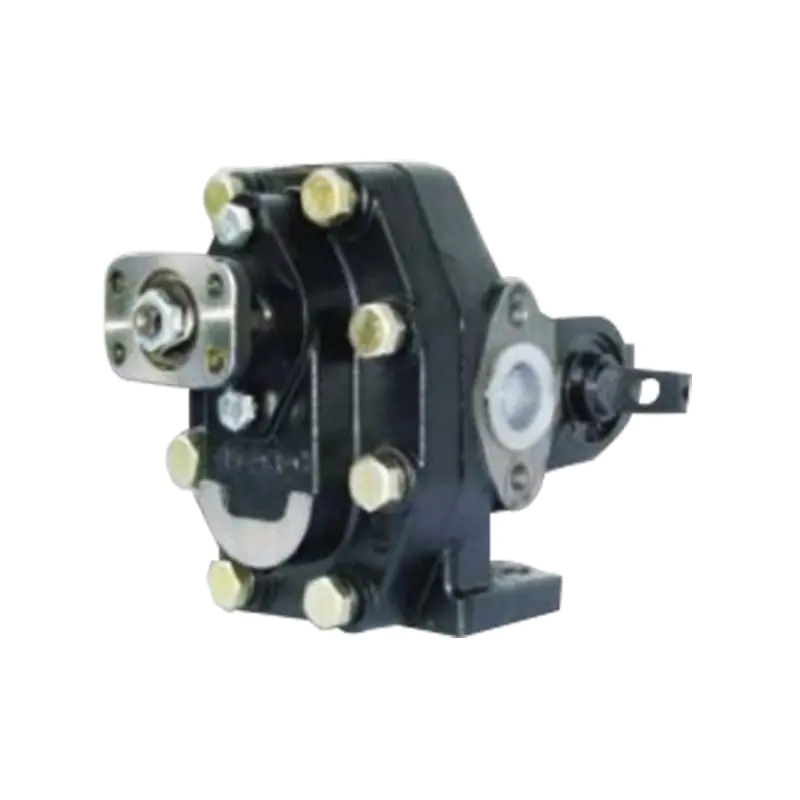
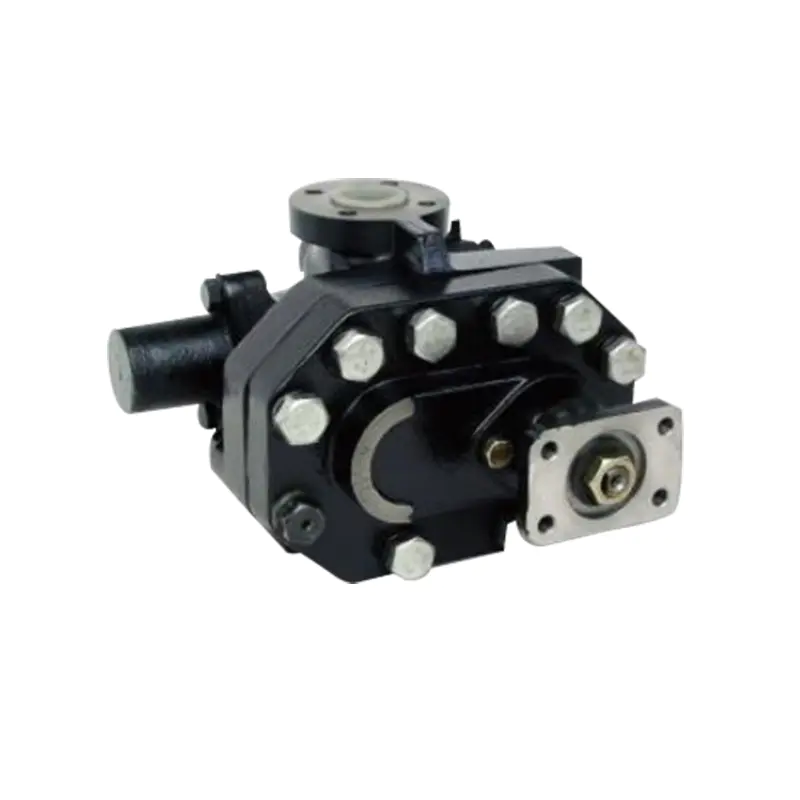
Choosing a hydraulic pump can feel like a minor detail next to selecting an entire machine system, yet the pump carries real weight in how that equipment ultimately performs. A well-matched choice keeps a hydraulic system running smoothly, while a poor match tends to surface problems during ordinary daily use. The Aluminum Hydraulic Gear Pump has become a common fixture across many hydraulic applications thanks to its compact structure and practical design, appearing frequently in systems where space, weight, and dependable fluid movement all carry real importance.
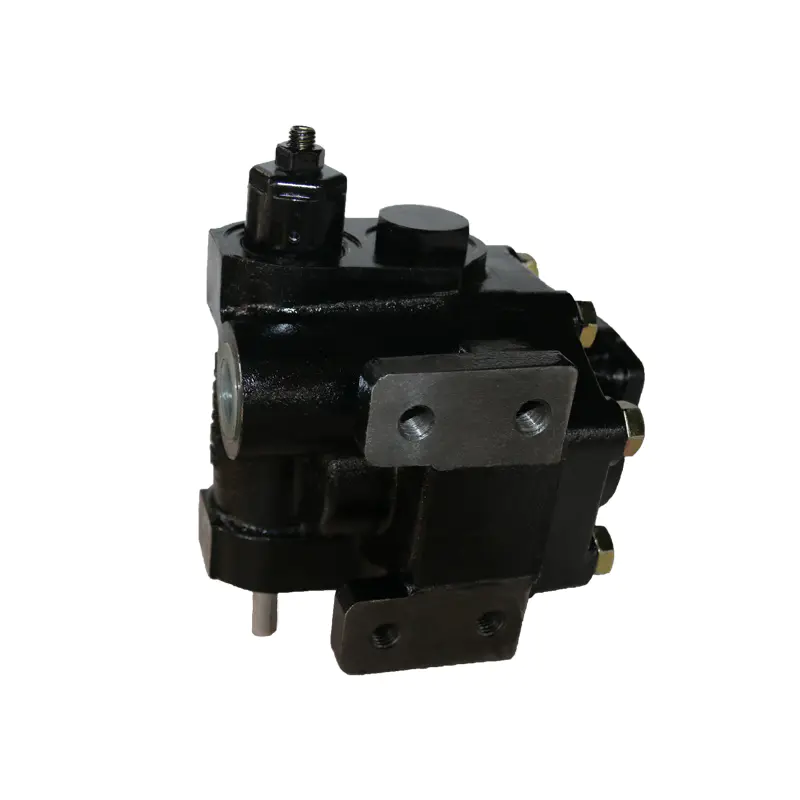
An Aluminum Hydraulic Gear Pump moves fluid through a system using gear motion, and its aluminum housing keeps the overall structure light while still supporting whatever internal components the design calls for. Put simply, its job is to move hydraulic fluid and generate the flow equipment needs — whether that means lifting something, moving a mechanical part, or controlling motion elsewhere in the system.
The working concept is easy enough to grasp. Selecting the right one, though, involves a fair bit more nuance.
Machines don't all operate under the same conditions. A pump doing work inside agricultural equipment faces a different set of demands than one bolted into an industrial line, and mobile equipment brings its own wrinkles entirely.
A few things tend to matter before anyone settles on a pump: what kind of equipment it's going into, since different machines call for different hydraulic solutions; the working environment, because conditions shape both performance and how much upkeep the pump will eventually need; the physical space available for installation; and the operating habits of whoever runs the machine day to day, since usage patterns quietly steer which pump actually makes sense.
Selection tends to go better when it starts with the application itself rather than fixating on the pump in isolation.
Whatever machine the pump ends up living inside has a direct say in which one gets chosen.
A mobile machine deals with vibration, shifting conditions, and constant movement. Fixed equipment, by comparison, usually operates somewhere more predictable and controlled. That gap matters because the pump has to keep pace with however the equipment actually works.
Take a machine running repeated hydraulic actions all day — it probably needs a pump built for that kind of sustained, consistent operation. Something used only now and then has entirely different requirements.
A handful of questions are worth asking before settling on an Aluminum Hydraulic Gear Pump. What machine will actually be using it? How often does the equipment run? Is this an indoor setup or something exposed to the outdoors? Are there any unusual installation constraints to work around?
None of these questions sound particularly complicated, but the answers often reveal more than expected.
A lot of selection mistakes trace back to buyers zeroing in on the pump itself while ignoring the broader working environment around it. A part that performs well in one machine won't necessarily deliver the same result somewhere else. The pump needs to bend to the application — not the reverse.
Picking a hydraulic gear pump means weighing several things at once. Rarely does a single feature settle the question on its own — material, design, compatibility, and maintenance demands all pull weight in the decision.
Compatibility with existing equipment. The pump has to connect cleanly with the hydraulic system already in place, since that connection touches installation, day-to-day operation, and whatever maintenance comes later. Checking whether a pump lines up with the equipment's structure and hydraulic arrangement before buying can spare a lot of headaches; a mismatched pump tends to generate adjustment work nobody wanted.
The operating environment. Dust, shifting temperatures, vibration, and how often the equipment runs can all shape how a pump holds up over time. A pump working in a demanding environment calls for different thinking than one tucked away somewhere cleaner and more stable.
Installation space. Many machines simply don't have room to spare. The pump needs to fit the available space while still connecting properly with everything around it — though a tighter space doesn't automatically mean grabbing the smallest pump available. It still has to meet the system's actual demands.
Ongoing maintenance. Equipment management is a long game, and a pump that's easy to inspect and service makes routine care far less of a chore. How accessible will the pump actually be once it's installed? That question grows more relevant the more regularly the equipment gets used.
The housing material behind a hydraulic gear pump shapes how practical it is to use. Aluminum shows up often in pump housings because it keeps things light, and in plenty of applications, shedding unnecessary weight simplifies both design and installation.
That said, material choice never stands alone — it has to be weighed against the working environment surrounding it. Nobody should pick a pump purely because of its housing material. Internal design, how well it fits the system, and the demands of the application all factor into whether a pump actually works.
For manufacturers and maintenance teams alike, material is just one piece of a bigger decision. A lightweight pump earns its keep in mobile applications where overall equipment design carries weight, while other situations call for more focus on system arrangement and operating conditions. What matters is how the pump will actually be used, not any single standout feature.
It's tempting to compare pumps on looks or price alone, but a more useful comparison looks at how closely a pump actually fits the application at hand.
Worth asking: does this pump suit the equipment it's headed for? Can it slot into the current system without a fight? Is servicing and inspection reasonably convenient? And is there supplier support available if something comes up down the line?
Going with the cheapest option doesn't necessarily make ownership easier — a pump that needs constant adjustment, or simply doesn't fit the system well, tends to generate its own kind of ongoing work. At the same time, reaching for the most elaborate option isn't automatically the smarter move either. What matters is finding something that fits the real, everyday operating conditions.
Experienced equipment users tend to gravitate toward practicality. They're thinking about how a pump will hold up during normal operation, not how impressive it looks sitting on a shelf.
Choosing a hydraulic pump without doing enough homework tends to catch up with people eventually.
Ignoring the system as a whole is a common misstep — a pump doesn't operate in isolation, and its connections to other hydraulic components shape overall performance more than people expect. Relying on general product descriptions alone is another trap; a pump can look like a fine match on paper and still miss the mark once it's actually installed.
Skipping compatibility checks, overlooking installation conditions, brushing past future maintenance needs, and fixating only on the upfront purchase decision are all issues that tend to surface repeatedly. Slowing down during selection tends to prevent a good chunk of the trouble that shows up after installation.
A quick conversation with equipment designers, technicians, or suppliers who've been around the block can surface details that never make it into a product spec sheet.
Once the right pump is in place, proper care keeps things running the way they should. None of this needs to be complicated — regular checks and reasonable operating habits tend to catch problems while they're still small.
Worth building into a routine: checking pump condition during regular equipment inspections, keeping the surrounding area clean, staying alert to anything unusual during operation, and following sound handling procedures generally.
Operators tend to notice shifts before anyone else does, simply because they're around the equipment every day. A small change in how a machine behaves can be an early sign the hydraulic system needs a look. Maintenance isn't only about fixing what's broken — it's also about knowing how the equipment normally runs well enough to notice when something's different.
Before locking in a decision, it helps to have a clear picture of the application. What machine is this pump actually supporting? How will the equipment get used day to day? What does the installation setup require? How will maintenance realistically get handled down the road? And does the pump actually match the hydraulic system already in place? These questions sharpen the picture of what kind of pump genuinely fits. For businesses running several machines at once, choosing the right hydraulic components also feeds into broader maintenance planning and equipment management. An Aluminum Hydraulic Gear Pump isn't simply a standalone replacement part sitting off to the side — it has to work in step with the entire hydraulic system around it. Taking the time to choose carefully helps ensure the pump actually matches equipment needs and holds up reliably under the everyday demands of real working conditions.
We focus on the research, development, manufacturing and service of various high-pressure and high-displacement gear pumps and related products and copper and woodblock printing machines.
Are You Ready To Cooperate
With Xianju Liming Machinery Co., Ltd. ?
* Your email is safe with us, we don't spam.

Xianju Liming Machinery Co., Ltd. specializes in the production of various high-pressure and high-displacement gear pumps and related products. We also specialize in producing various specifications of copperplate engraving machines, woodblock printing machines and other printmaking art equipment.
Contact Info
+86-13676695112
+86-18868136522
+86-576-87733908
+86-576-87719094
No. 407, Chuancheng North Road, Anzhou Street, Xianju County, Taizhou City, Zhejiang, China.
Mobile web
