 English
 中文简体
中文简体

+86-13676695112
+86-18868136522
+86-576-87733908
A design engineer at a compact excavator manufacturer spends an afternoon staring at a layout drawing, trying to figure out where the hydraulic pump should sit next to the engine block. Every position that makes sense for the drive connection puts the pump too close to a structural member, and shifting the whole assembly to fix that clearance problem would add weight somewhere else in the frame. Eventually the team switches to a pump with an aluminum housing, and the small reduction in size and weight gives them just enough room to route everything without redesigning the surrounding structure.

Machine weight rarely comes from one large component sitting somewhere in the frame. Frames, tanks, motors, valves, pipes, covers, brackets, hydraulic components, and control systems all contribute to the final equipment structure together. When designers review these parts individually, even relatively small reductions can add up to something meaningful once several components are involved.
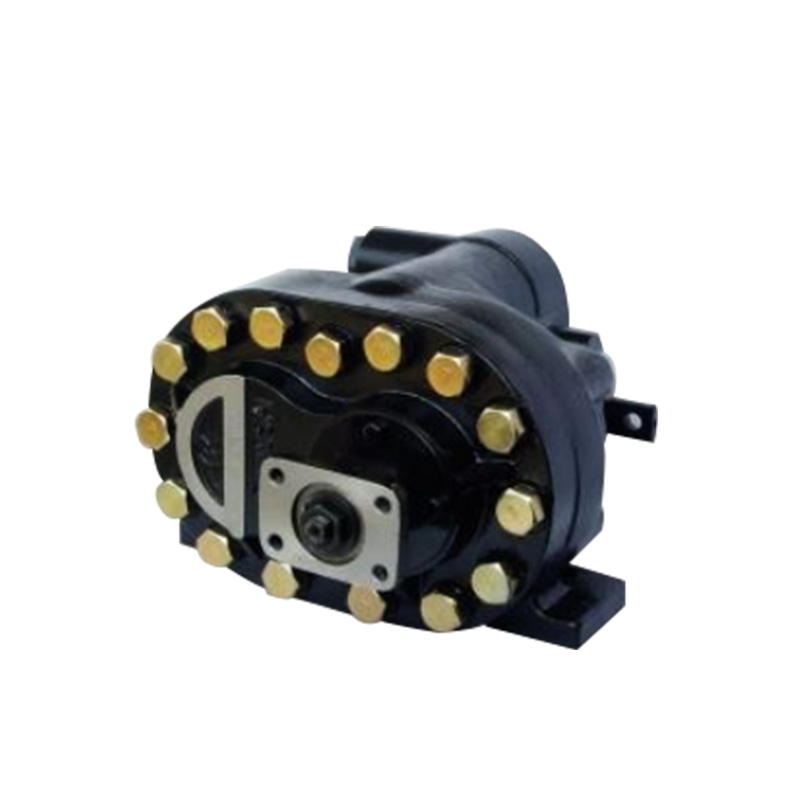
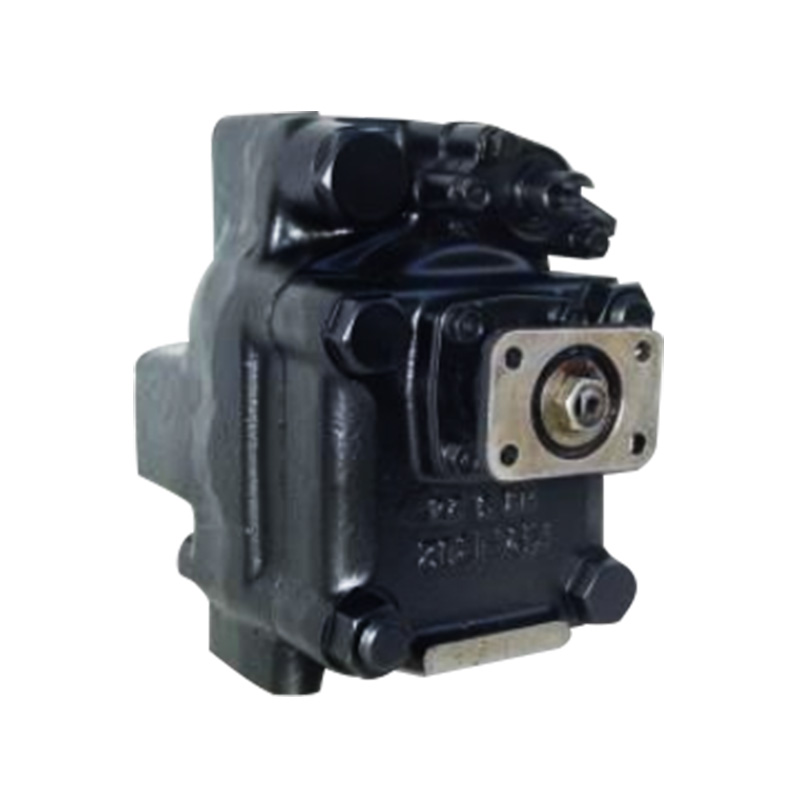
An Aluminum Hydraulic Gear Pump fits into this approach because its housing material helps reduce the weight tied to the pump itself. The benefit becomes particularly relevant when the pump sits on equipment that needs to move frequently rather than stay bolted down in one spot.
A mobile machine carries different weight concerns than a stationary industrial system does. A stationary unit may have a fixed installation area with little concern about transportation between locations. Mobile equipment has to carry its hydraulic system while moving, which ties component weight much more closely to the overall machine design.
| Equipment Type | Lightweighting Consideration |
|---|---|
| Mobile machinery | Easier movement and transport |
| Agricultural equipment | Weight distribution around working components |
| Construction equipment | Layout of mobile hydraulic systems |
| Material handling equipment | Compact installation and movement |
| Service equipment | Portability and accessible component placement |
Weight reduction also creates a secondary design effect worth noting. When one component becomes lighter, designers gain more flexibility when considering brackets, mounting arrangements, or the location of nearby components. This doesn't mean every supporting structure can automatically shrink too — the actual design still needs to account for operating conditions and the requirements of the complete machine as a whole.
Material selection carries a direct relationship with equipment weight. Hydraulic components need housings that can contain and support their internal parts while still fitting into the larger machine structure around them. Aluminum offers a way to approach this housing requirement with a material that's generally lighter than many traditional alternatives used for similar parts.
For equipment designers, the appeal isn't simply the material on its own. The housing also becomes part of the machine's physical layout. A pump with a suitable housing shape and material can be easier to position when designers are working within a limited installation area, which matters when a hydraulic system needs to fit between structural members, beside a motor, or close to other equipment crowding the same space.
| Design Factor | Relevance to Lightweighting |
|---|---|
| Housing material | Influences component weight |
| Housing shape | Affects available installation space |
| Mounting arrangement | Influences how the pump fits into the machine |
| Connection position | Affects surrounding hydraulic layout |
| Overall component size | Influences equipment packaging |
Material selection still needs to be based on the complete application rather than treated as a shortcut. An aluminum housing doesn't automatically make a pump suitable for every machine out there. The working environment, installation requirements, structural needs, and product design all need consideration together, which is exactly why lightweighting is better understood as a design process rather than simply swapping one material for another.
Mobile machinery offers a clear example of why component weight matters in practice. Equipment such as agricultural machines, construction machines, compact lifting systems, and service vehicles often need to operate across different locations throughout a workday. The hydraulic system has to travel along with the machine every time it moves.
A lighter Aluminum Hydraulic Gear Pump fits into a broader strategy of reducing unnecessary carried weight. The effect can also influence how designers think about the hydraulic package as a whole. A pump doesn't exist separately from the motor, reservoir, valves, hoses, pipes, brackets, and other components sitting around it. If the pump ends up positioned differently because of its size or housing shape, the surrounding hydraulic layout may shift too, opening up opportunities to organize the whole system around the available machine space.
A compact mobile machine, for example, may have limited room around the engine compartment. Placing hydraulic components in a more organized arrangement can leave more usable space for other equipment or service access down the line. Lightweighting and compact design overlap here in a real way — the purpose isn't simply making every component smaller for its own sake, but using the available space and weight allowance more deliberately.
Weight is only one part of equipment packaging. A component can be relatively light but still difficult to install if its shape doesn't suit the surrounding structure it needs to fit into. Hydraulic system designers therefore need to weigh the pump's physical form alongside its material.
An Aluminum Hydraulic Gear Pump proves useful in compact equipment when its housing and connection arrangement fit the available installation area properly. This helps designers examine the pump as part of the complete machine rather than treating it as an isolated hydraulic component sitting off to the side.
A compact layout often involves several nearby parts working close together. The pump may sit near the drive source, while hydraulic lines connect it to other parts of the system. The reservoir may need to occupy another limited area, and access for inspection or maintenance still needs to remain available despite the tight fit.
A practical arrangement gets shaped by several questions:
These questions shape the final equipment layout in ways that go beyond the pump alone. A lightweight pump can contribute to the solution, but the complete installation still determines whether the design actually works well once it's built.
Lightweighting isn't only about individual components in isolation. The arrangement of the hydraulic system also influences how much supporting material, piping, and connection hardware gets needed overall. A poorly organized layout can create unnecessary routing or require additional structural support that wouldn't otherwise be necessary.
A more carefully planned arrangement makes better use of the available machine space instead. The Aluminum Hydraulic Gear Pump can be considered one element within this layout — its position relative to the motor, reservoir, valves, and hydraulic lines affects how the system gets assembled. Shorter or more direct connections sometimes make the system easier to arrange, though the appropriate configuration always depends on the specific equipment design at hand.
| Layout Area | Design Question |
|---|---|
| Pump location | Does it fit the available space? |
| Drive connection | Is the pump positioned appropriately? |
| Hydraulic lines | Can routing remain practical? |
| Mounting support | Does the structure suit the installation? |
| Service access | Can the component be reached when needed? |
A compact hydraulic arrangement also influences maintenance planning down the road. If the pump ends up surrounded by unrelated components, inspection becomes more difficult than it needs to be. If the layout leaves suitable access around important parts instead, routine work stays manageable. This is one reason lightweighting shouldn't get separated from equipment packaging — a machine that saves weight but becomes difficult to service just trades one problem for another.
Reducing total weight is useful, but where that weight sits also matters quite a bit. Mobile equipment needs to maintain a suitable physical arrangement while moving and working at the same time. Heavy components placed in one area can influence how the machine gets structured and how other components end up positioned around them.
A lighter hydraulic pump gives designers another option when arranging the hydraulic system around the machine. This doesn't mean the pump should always land in one particular spot regardless of the design. Instead, the reduced component weight can be weighed alongside the position of the motor, reservoir, frame, working tools, and other major assemblies filling out the machine.
Weight distribution becomes especially relevant when equipment has a compact structure with limited opportunities to move large components around freely. Smaller hydraulic components provide more flexibility during the layout stage as a result. A design team might compare several possible arrangements before settling on where the pump should sit, weighing accessibility, hydraulic connections, structural support, available space, and the balance of the complete machine together. Lightweighting becomes genuinely useful when it supports these broader design decisions rather than standing apart from them.
Transportation is another reason manufacturers think carefully about machine weight. Mobile equipment may get moved between job locations, stored in different areas, or transported as part of a larger work process that spans multiple sites. Reducing unnecessary component weight contributes to a lighter overall machine that's easier to move around.
An Aluminum Hydraulic Gear Pump becomes relevant here before the equipment even begins operating. The transportation stage can influence how manufacturers approach the machine's total mass from the outset. A lighter equipment structure can also make handling and positioning easier during assembly or service, depending on how the equipment is designed overall.
This creates several areas where component weight can matter in practice:
The contribution of one pump shouldn't get overstated in this picture. The actual effect depends on the complete equipment design and the weight of every other component sharing the frame. Still, component-level material decisions can prove useful when manufacturers review the machine as a whole rather than piece by piece. The same thinking can apply to other hydraulic components too — when several parts get reviewed together, designers can identify where material selection and compact packaging might help trim unnecessary weight.
Lightweighting shouldn't be treated as the only selection factor on the table. A pump still needs to suit the intended hydraulic system and the physical environment where it will actually operate day after day. Designers can start by identifying the real requirements of the equipment rather than starting from the pump itself.
That review may include the intended application, installation location, available space, hydraulic connections, surrounding components, maintenance access, and overall machine structure. An Aluminum Hydraulic Gear Pump can then be considered within that full context rather than in isolation.
| Consideration | Why It Matters |
|---|---|
| Equipment application | Defines the operating environment |
| Installation space | Determines whether the pump fits the layout |
| Housing material | Influences component weight |
| Mounting arrangement | Affects structural integration |
| Connection layout | Influences hydraulic routing |
| Maintenance access | Supports practical service planning |
| Overall machine weight | Shows how the component fits the lightweighting strategy |
This approach avoids treating the pump as a standalone solution to every problem. The same pump may suit one equipment layout well and suit another poorly simply because the surrounding design differs. Manufacturers can also review whether the material choice fits their broader production goals overall. When lightweighting is a genuine part of the machine concept from the start, component selection can become part of that strategy during the early design stage rather than getting reconsidered only after the main structure is already locked in place.
As mobile machinery continues getting more compact and equipment designers keep reviewing how individual components contribute to total weight, aluminum hydraulic pump housings can hold a practical place in hydraulic system planning going forward. Their relevance comes from the combination of material choice, component weight, installation flexibility, and how the pump fits into the wider equipment layout — much like the excavator team discovered once a slightly smaller housing gave them the clearance they'd been missing.
We focus on the research, development, manufacturing and service of various high-pressure and high-displacement gear pumps and related products and copper and woodblock printing machines.
Are You Ready To Cooperate
With Xianju Liming Machinery Co., Ltd. ?
* Your email is safe with us, we don't spam.

Xianju Liming Machinery Co., Ltd. specializes in the production of various high-pressure and high-displacement gear pumps and related products. We also specialize in producing various specifications of copperplate engraving machines, woodblock printing machines and other printmaking art equipment.
Contact Info
+86-13676695112
+86-18868136522
+86-576-87733908
+86-576-87719094
No. 407, Chuancheng North Road, Anzhou Street, Xianju County, Taizhou City, Zhejiang, China.
Mobile web
