 English
 中文简体
中文简体

+86-13676695112
+86-18868136522
+86-576-87733908
Printing accuracy doesn't start the moment a sheet rolls into the printing area. It actually starts much earlier, back when the plate itself gets made and prepared for use — the same way a rubber stamp only prints cleanly if the carved surface was cut evenly in the first place. Small differences in plate thickness, surface condition, shape, or how the plate got handled along the way can shape how consistently it performs once it's actually running.
This is exactly why Copper Plate Manufacturing matters so much to printers who depend on controlled, repeatable image transfer. A copper plate sits right in the physical path between a design file and the printed result on paper or fabric. If its surface wasn't prepared consistently, everything downstream gets harder to control, sometimes in ways that only show up after a run's already underway. Looking at plate production as part of the wider printing process, rather than a separate step that happens somewhere else entirely, tends to save manufacturers, printers, and equipment buyers a lot of frustration later.
A printing plate provides the actual surface an image or pattern transfers from, and its condition shapes how the whole process behaves from one impression to the next. A plate that's slightly off in one spot can leave a faint but noticeable inconsistency running through an entire print job.
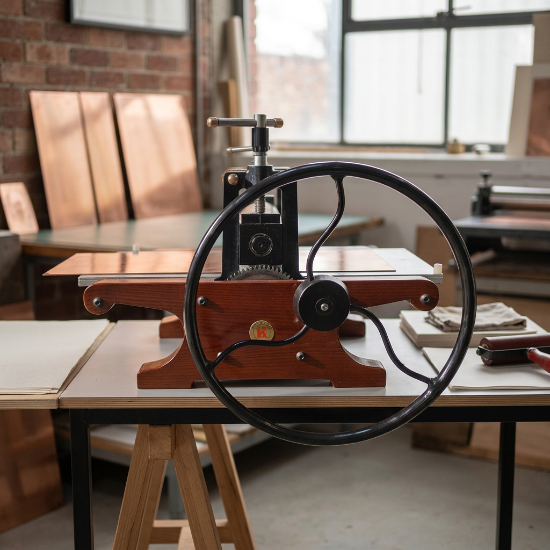
During manufacturing, the copper material needs forming, preparing, finishing, and handling in a genuinely consistent way from batch to batch. Each stage leaves its own mark on the finished plate, and a small change that seems trivial on the production floor can turn into something operators actually notice once that plate is installed and running under real pressure.
| Manufacturing factor | Possible effect on printing |
|---|---|
| Plate shape | Influences how the plate sits in equipment |
| Surface condition | Affects image transfer |
| Edge quality | Supports proper installation and handling |
| Material consistency | Helps maintain similar plate behavior |
| Cleaning and finishing | Helps prepare the surface for printing |
A well-organized production process supports more predictable printing conditions, though it can't guarantee any particular result entirely on its own — printing still depends on equipment, materials, setup, and whatever operating conditions happen to be in play that day.
The surface of a copper plate has a direct, almost hands-on relationship with how an image actually transfers during printing. Uneven patches, unwanted marks, or inconsistent finishing all change how the plate interacts with ink and whatever material it's printing onto.
A smooth, properly prepared surface provides a far more consistent working condition than one that's been rushed through finishing. A poorly handled surface, by contrast, tends to create differences that end up visible right there in the printed areas — a faint streak or patch that wasn't in the original design.
Surface preparation covers a few genuinely practical steps. Cleaning removes unwanted material from the working surface before anything else happens. Finishing helps build a suitable surface condition to begin with. Inspection lets visible problems get caught before the plate ever reaches a press. Protection cuts down the odds of damage during storage or transport, the same way a framed photo gets bubble wrap before it ships anywhere.
These steps connect to each other rather than standing alone as separate boxes to tick. A clean plate can still be genuinely difficult to use if it got damaged somewhere during handling, and careful finishing doesn't count for much if the finished plate then sits in storage without any real protection around it.
Plate thickness shapes how a plate behaves once it's mounted and actually running. The plate needs to hold its intended shape the whole time it's working alongside the printing equipment around it.
If a plate doesn't sit evenly, its position can shift mid-operation, and that shift changes the relationship between the plate, the ink, and whatever's being printed on. Manufacturers therefore need real attention on plate structure during production — not simply chasing physical strength for its own sake, but making sure the plate stays genuinely practical to handle and suited to whatever equipment it'll end up installed in.
| Plate condition | Possible printing concern |
|---|---|
| Uneven thickness | May affect mounting consistency |
| Irregular shape | Can make positioning more difficult |
| Damaged edge | May interfere with installation |
| Stable structure | Supports consistent placement |
This matters a great deal when a printing operation runs several plates across different jobs in the same shift. Consistency between plates makes setup noticeably easier, since operators don't have to keep readjusting their approach for large differences between individual pieces that were all supposed to behave the same way.
Shape counts as another real part of plate preparation. A plate needs to genuinely match how it'll actually get mounted and used inside the printing equipment it's headed for.
Even small shape changes affect how a plate contacts the structure supporting it. If the plate doesn't sit the way it's supposed to, extra adjustments become necessary before printing can even start, eating into time nobody budgeted for that morning.
Copper Plate Manufacturing involves a lot more than simply shaping raw copper material. The finished form needs to reflect the practical requirements of whatever printing system it'll actually live in. Manufacturers do well paying attention to overall plate form, edge condition, flatness, mounting areas, and surface uniformity all together rather than checking each one in isolation. A plate that's easy to position cuts down on unnecessary setup adjustments and helps operators hold a stable workflow through a long shift.
A Copper Plate Printing Press relies on the interaction between the printing plate, the ink, the material being printed on, and the mechanical movement of the press itself. The plate is really just one part of a larger, interconnected system rather than the whole story on its own.
Even so, the plate's condition shapes how the rest of the process actually behaves. A properly prepared plate can be installed and aligned according to whatever the equipment genuinely requires, without a lot of guesswork or trial and error at the start of a shift.
Once a plate's mounted, operators often check its position before committing to a full printing run, catching visible issues early rather than discovering them halfway through a batch of material that's already been used.
| Press operation | Plate-related consideration |
|---|---|
| Mounting | Plate should sit securely |
| Positioning | Plate should remain properly aligned |
| Ink transfer | Surface should be suitable for the process |
| Repeated operation | Plate should remain stable during use |
| Cleaning | Plate should be protected during maintenance |
This is exactly why plate manufacturing and press operation shouldn't get treated as two completely separate subjects handled by people who never talk to each other.
Plate edges can look like a small manufacturing detail from a distance, but they genuinely affect handling and installation once the plate's actually in someone's hands. Rough, damaged, or irregular edges make positioning noticeably harder than it needs to be.
A clean edge also makes the finished plate easier to inspect at a glance, letting operators judge a plate's condition before it ever goes into the equipment. During production, edge quality gets shaped by cutting, shaping, finishing, and general handling, and each of those stages offers a real chance to either protect the finished product or accidentally introduce damage that wasn't there before.
A practical manufacturing process needs to consider how the plate will actually get handled after production wraps up. It might move through several locations before reaching the press — packed, stored, shipped, unpacked, and finally installed — and protecting the edges through that whole journey helps preserve whatever careful condition manufacturing actually created in the first place.
A printing plate can pick up dust, residue, moisture, or other unwanted material during storage and handling, the same way a coin left in a drawer for months picks up a dull film nobody notices until it's held up to the light. These contaminants affect the working surface if they don't get removed before use.
Cleaning is a real, practical part of plate preparation rather than an optional extra step tacked on at the end. The cleaning method needs to match both the plate material and the intended application — too much handling can leave scratches, while an unsuitable cleaning method can affect the surface in its own way.
A simple preparation routine covers inspecting the plate before use, removing visible contamination, checking the working surface closely, confirming the plate is actually suitable for mounting, and storing unused plates somewhere genuinely protected. These steps help maintain a stable starting point for the whole printing process. The quality of a finished print still depends on plenty of other factors beyond this, but clean plate preparation removes one avoidable source of variation before it ever has a chance to cause trouble.
Repeated printing creates a different kind of requirement than producing a single printed piece once and moving on. When a job runs continuously, the printing plate needs to behave consistently the entire time it's in use, run after run.
Manufacturing consistency makes that a lot easier to achieve. If plates produced for similar applications show noticeable differences in shape or surface condition, operators end up making extra adjustments during setup every single time, which slows the workflow and makes overall process control genuinely harder to maintain.
| Production stage | Practical question |
|---|---|
| Material preparation | Is the copper suitable for the intended plate? |
| Forming | Does the plate retain its intended shape? |
| Surface preparation | Is the working surface properly prepared? |
| Edge finishing | Are the edges suitable for handling? |
| Inspection | Can visible problems be identified before shipment? |
| Packaging | Is the plate protected during movement? |
The goal was never removing every possible difference between plates entirely. It's keeping the production characteristics that actually matter within a practical, manageable range that operators can work with confidently.
Copper shows up often in printing-related applications because its physical properties suit certain plate-making processes well, but not every copper product behaves identically once it's actually being worked. Material selection needs to consider the intended printing application, the manufacturing process involved, and whatever handling requirements come with it.
The material needs to genuinely work with the forming and finishing methods a given manufacturer actually uses, and it needs to stay suitable after transportation and storage too, not just fresh off the production line. Manufacturers benefit from evaluating material consistency, surface condition, forming behavior, compatibility with finishing processes, and handling requirements together rather than checking one and assuming the rest follow along.
For buyers, understanding the intended application makes product selection a lot easier too. A plate built for one printing setup doesn't automatically suit a completely different system just because both are technically "copper plates."
A Copper Printing Machine needs stable interaction between its mechanical components and the printing plate riding inside it. If a plate is genuinely difficult to mount, or it won't stay properly positioned, operators end up spending far more time on adjustments than the job actually called for.
The plate's physical condition effectively becomes part of the machine's operating environment the moment it's installed. Before use, operators often check for visible deformation, surface damage, contamination, or other issues, and confirm the mounting arrangement actually suits that specific piece of equipment rather than assuming it'll fit fine.
None of this means every printing problem traces back to the plate alone. Ink condition, substrate handling, machine setup, pressure, alignment, and operator habits all shape the final result too. Looking at the complete process helps keep manufacturers and users from fixating on a single component when the real cause might be sitting somewhere else entirely.
Manufacturing processes work best connected to each other rather than treated as unrelated steps happening in isolation. Material preparation shapes forming. Forming shapes surface condition. Finishing shapes handling. Packaging shapes the condition of the finished plate by the time it actually reaches a customer's dock.
A connected workflow makes these relationships far easier to manage day to day. Manufacturers tend to organize production around a few practical stages worth naming individually: material preparation gets the copper ready for the intended production process, plate forming shapes the material according to the required application, surface preparation cleans and finishes the working surface, edge treatment checks and prepares edges for handling, quality inspection catches visible production issues before they travel any further, and protective packaging shields the finished plate through storage and transportation.
This sequence gives manufacturers several real opportunities to catch problems with the product before it ever reaches the printing floor and becomes somebody else's headache.
Inspection earns its place because some manufacturing problems are genuinely easier to fix before a plate ever reaches the printing floor. Visual inspection can catch scratches, dents, uneven edges, contamination, or obvious shape changes early, and more detailed checks can get layered in depending on what the production process actually calls for.
The real point worth remembering is that inspection should reflect actual use, not just a checklist run on autopilot. A plate might look perfectly fine sitting in storage and still cause real trouble during mounting. Another plate might carry a small surface issue that only becomes noticeable once printing's actually underway and it's too late to swap it out easily.
| Inspection area | What it helps check |
|---|---|
| Surface | Visible marks or contamination |
| Shape | Whether the plate remains properly formed |
| Edges | Whether handling and mounting are practical |
| Mounting area | Whether installation is suitable |
| Packaging | Whether the plate is protected |
Manufacturers benefit from connecting inspection directly to practical handling and printing requirements rather than treating it as a box checked once at the very end and forgotten.
Buyers often focus mainly on the material itself, but the manufacturing process behind a plate deserves just as much attention. A plate needs to suit the printing equipment it's headed for, the intended application, realistic storage conditions, and whatever handling routine a shop actually follows day to day.
Questions about production consistency help a lot when comparing suppliers side by side. Worth asking: how plates get prepared for the intended printing process, how surface conditions actually get checked before shipping, how finished plates get protected during transport, how differences between production batches get managed, and what information comes along for handling and storage once the plate arrives.
The answers help buyers understand how a product actually moves from raw material to finished plate, step by step. For printing operations, this kind of detail also makes communication with suppliers a lot smoother — clear requirements up front cut down on the odds of ending up with a plate that simply doesn't match the equipment or workflow already in place.
Manufacturers improve their process by genuinely considering how the finished plate will actually get used, rather than treating manufacturing and printing as two disconnected stages handled by people who never compare notes. Looking at the complete path, from material preparation all the way through to plate installation, tends to surface problems that get missed when each stage is judged on its own.
Feedback from printing operations proves genuinely useful when reviewing plate design and production methods. If operators keep running into mounting difficulties, surface problems, or handling issues on the same type of plate, those observations point straight toward where the production process actually needs adjustment.
Production teams also benefit from keeping attention on the simple, everyday details that shape real-world use — a stable plate shape, a suitable surface condition, clean edges, protective packaging, and consistent inspection all add up to a genuinely more predictable product coming off the line.
The connection between Copper Plate Manufacturing and printing accuracy stays practical rather than abstract throughout all of this. The plate physically carries the result of every manufacturing decision straight into the printing environment, where those decisions interact directly with equipment, ink, materials, and whatever operating habits a shop has settled into over the years. When plate production gets planned around actual printing conditions from the start, manufacturers end up creating products that are genuinely easier to handle, inspect, install, and use across different printing workflows.
We focus on the research, development, manufacturing and service of various high-pressure and high-displacement gear pumps and related products and copper and woodblock printing machines.
Are You Ready To Cooperate
With Xianju Liming Machinery Co., Ltd. ?
* Your email is safe with us, we don't spam.

Xianju Liming Machinery Co., Ltd. specializes in the production of various high-pressure and high-displacement gear pumps and related products. We also specialize in producing various specifications of copperplate engraving machines, woodblock printing machines and other printmaking art equipment.
Contact Info
+86-13676695112
+86-18868136522
+86-576-87733908
+86-576-87719094
No. 407, Chuancheng North Road, Anzhou Street, Xianju County, Taizhou City, Zhejiang, China.
Mobile web
