+86-13676695112
+86-18868136522
+86-576-87733908
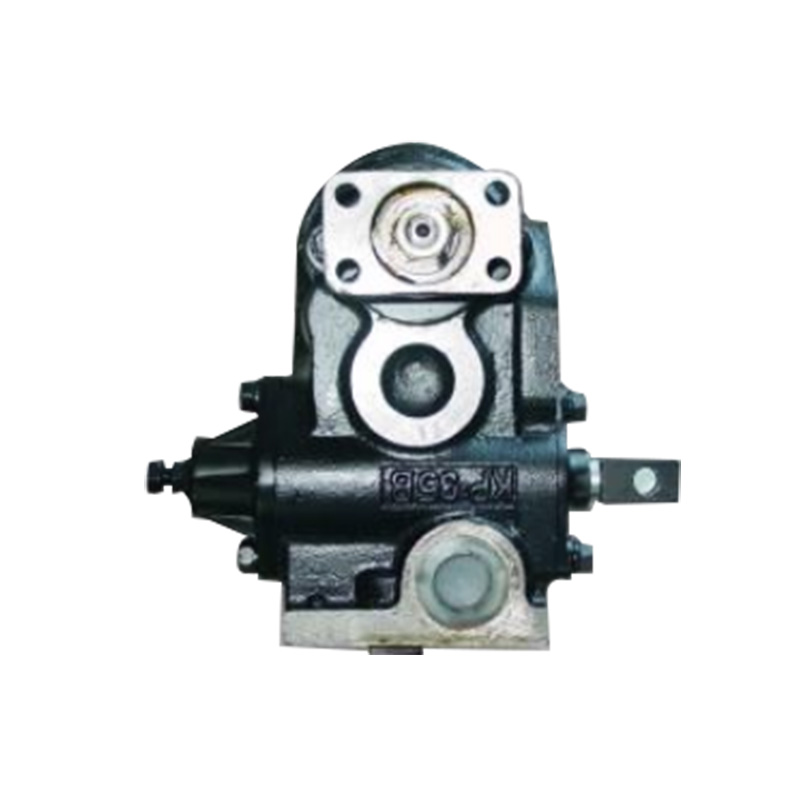
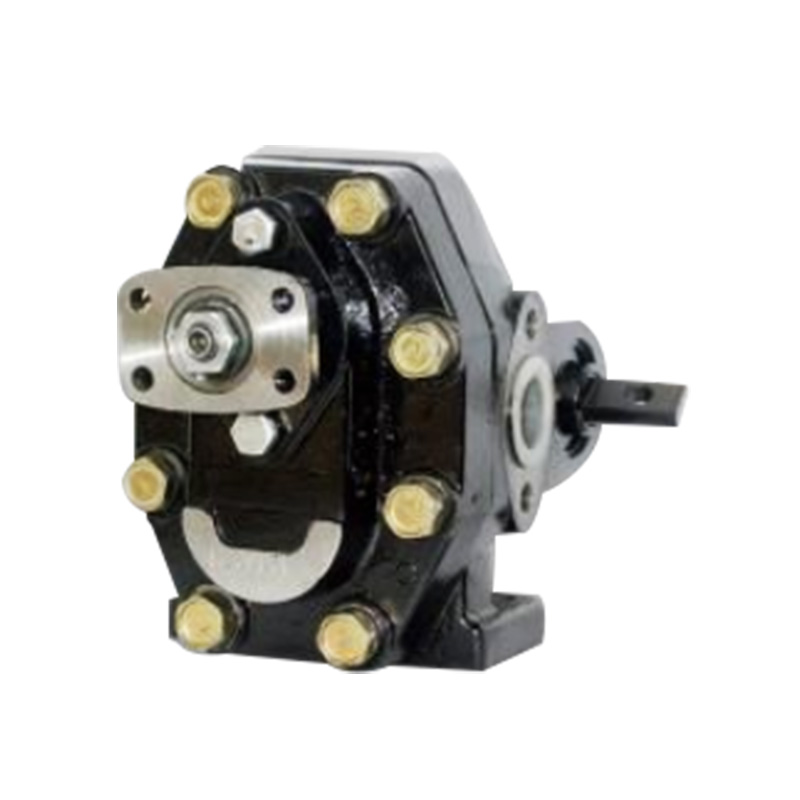
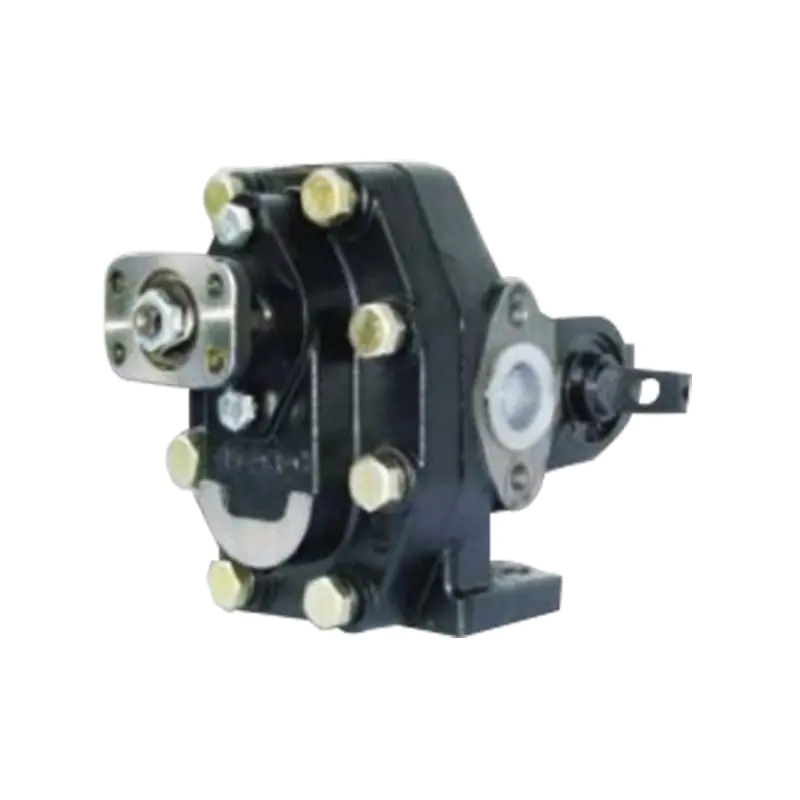
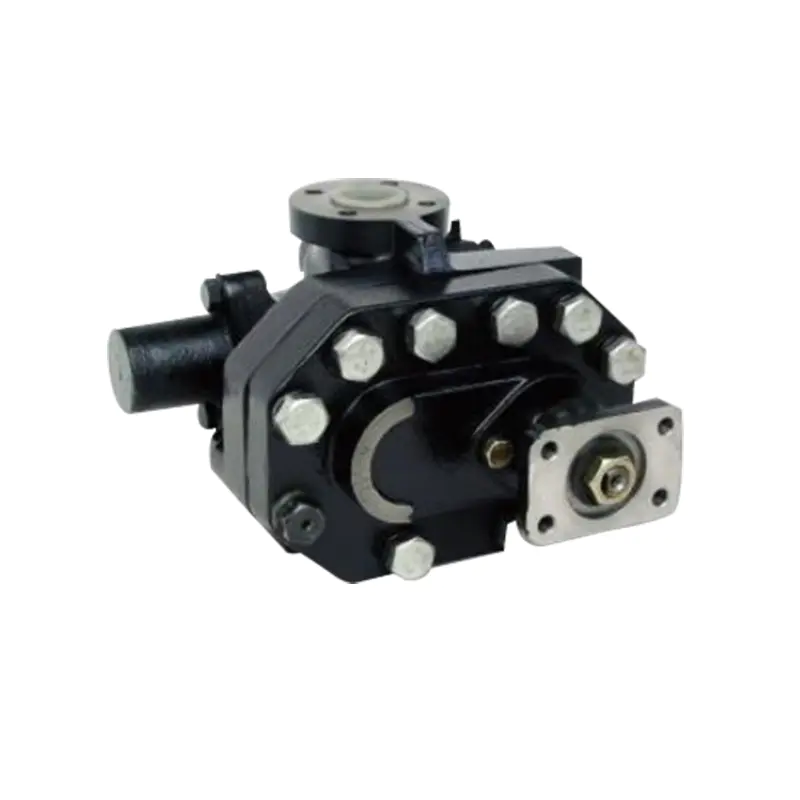
A hydraulic system that performs poorly after pump replacement, a gear pump that vibrates excessively after installation, or a unit that fails within weeks of commissioning — these are not random events. In most cases, they trace directly back to a selection decision that overlooked size, mounting configuration, or system compatibility. Engineers and procurement teams who approach Pressure Gear Pump selection as a purely volumetric exercise — matching flow rate and moving on — regularly encounter problems that surface only once the equipment is running under load. Understanding why these three parameters shape everything from installation success to long-term reliability is not optional. It is the foundation of pump selection that actually works in the field.
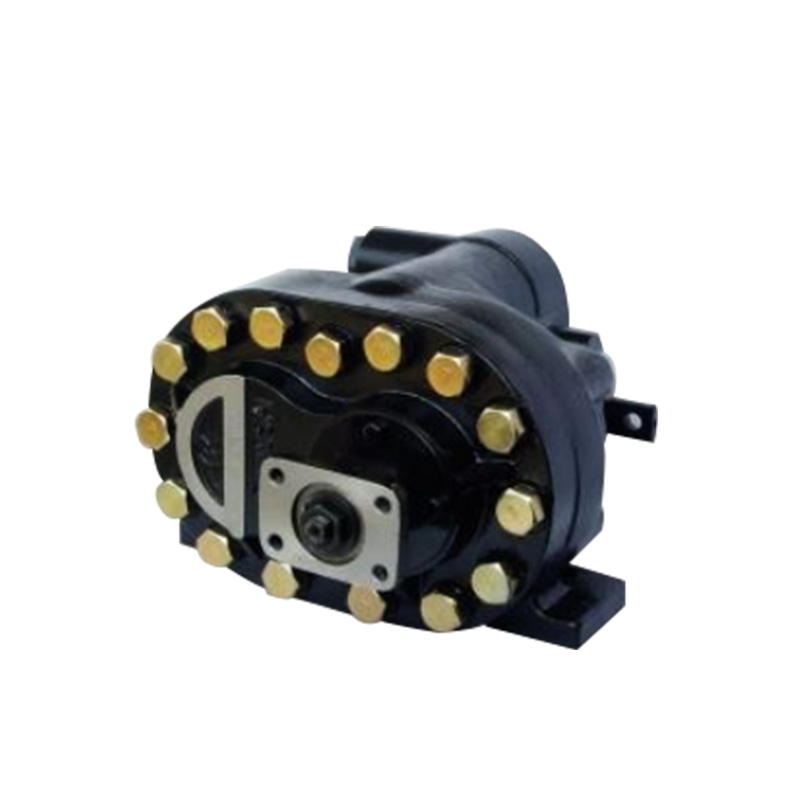
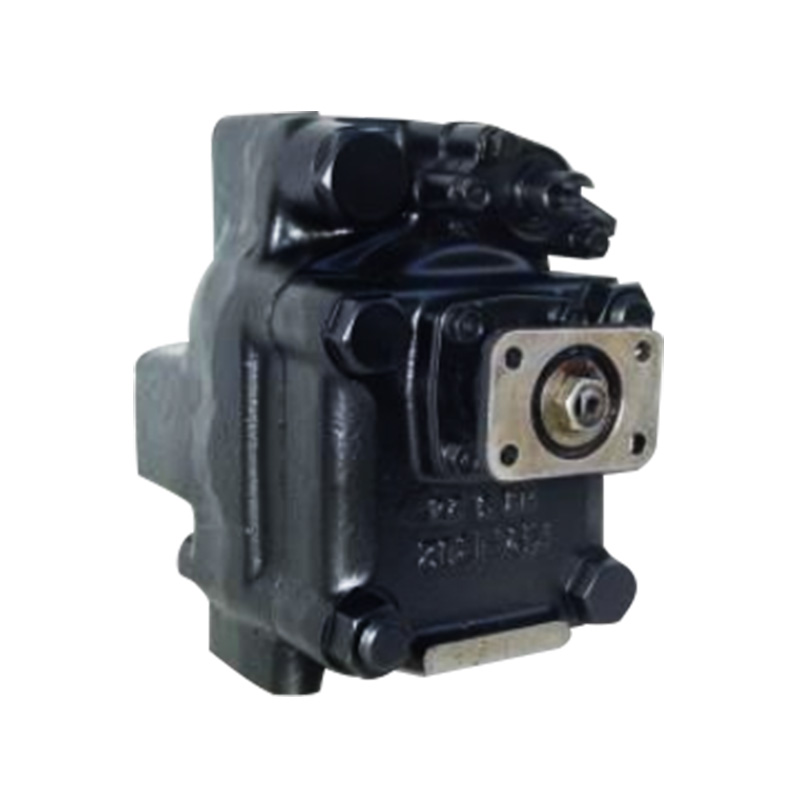
A pressure gear pump is a positive displacement pump that uses the meshing of two gears to move hydraulic fluid from an inlet port to an outlet port. As the gear teeth separate on the inlet side, they create a low-pressure zone that draws fluid in. As they mesh again on the outlet side, they force that fluid out under pressure into the hydraulic circuit.
The design is mechanically straightforward, which is part of its enduring appeal in industrial hydraulic systems. Gear pumps are robust, tolerant of contamination relative to some alternatives, and capable of generating consistent flow across a wide range of operating speeds. They appear in construction equipment, machine tools, agricultural machinery, industrial presses, and mobile hydraulic systems across manufacturing and infrastructure sectors.
What makes the selection decision complex is not the pump mechanism itself but how that mechanism interacts with the specific system it is placed into. Flow rate, mounting configuration, shaft alignment, pressure rating, and fluid compatibility all determine whether the pump delivers its rated performance or creates problems that degrade the system from day one.
Pump size — expressed as displacement per revolution — determines how much fluid the pump delivers to the circuit for every turn of the drive shaft. In a hydraulic system, that flow rate controls actuator speed. A cylinder extends faster with higher flow; it extends more slowly with reduced flow. The size of the pump, combined with the drive speed, sets the performance envelope for everything downstream.
Selecting a pump that is too small for the circuit's flow demand means actuators run slowly, cycle times extend, and the system cannot deliver the speed the machine design requires. For a production machine where cycle time is directly tied to output, this is not an acceptable tradeoff.
A pump that is oversized generates more flow than the circuit can absorb usefully. The excess flow either returns through a relief valve — generating heat and wasting energy — or creates pressure conditions that stress components designed for lower flow rates. Neither outcome is acceptable in a well-engineered hydraulic system.
Gear pumps produce flow. System resistance converts that flow into pressure. When the pump is correctly sized for the circuit, pressure builds predictably to the relief valve setting and stays there under load. When the pump is undersized relative to the demand, pressure drops under load, and the actuators stall or slow unexpectedly.
Oversizing introduces a different problem. Relief valves open continuously to dump excess flow, which creates heat and pressure cycling that fatigues hoses, seals, and other components. A properly sized pump reaches the working pressure and holds it, which is what a stable hydraulic system requires.
Sizing a gear pump for average operating conditions rather than peak demand is a common error. Hydraulic systems often encounter load spikes that briefly demand more flow than the steady-state average — during acceleration, during cutting through variable material density, during loading cycles that create intermittent peak demand.
A pump sized only for average conditions will be unable to maintain system pressure during those peaks, producing performance inconsistency that may not be immediately obvious as a pump selection problem. It may appear as a machine performance issue or a control system problem before the root cause is correctly identified.
Mounting type refers to how the pump attaches physically to the machine or hydraulic power unit. It is not a secondary consideration that can be resolved after the pump is selected. The mounting configuration determines where the pump sits in the machine, how the drive shaft aligns with the drive source, and what mechanical loads the pump body and mounting points will experience during operation.
The main mounting configurations in industrial gear pump applications include:
Using a pump with a mounting configuration that does not match the machine's mounting interface is not a problem that can be solved by adding adapters and still expecting original performance. Every adapter introduces tolerance stack-up that degrades shaft alignment.
When a pump drive shaft is not concentric and parallel with the drive source shaft, the coupling transmits bending loads to the pump shaft during every revolution. These loads are not visible and do not produce immediate failure, but they accumulate as fatigue in the shaft, the shaft seals, and the bearing races that support the shaft inside the pump.
The consequence is premature bearing failure, shaft seal leakage, and in severe cases, shaft fracture. These failure modes appear to be reliability problems with the pump itself. They are actually installation problems that result from ignoring mounting compatibility during selection.
Correct mounting type — where the pump's mounting pattern matches the machine's interface exactly, without adapter plates introducing angular or lateral offset — eliminates this failure mode entirely.
When a gear pump is generating pressure, the reaction torque from the fluid resistance acts on the pump body. The mounting structure must absorb this torque without allowing the pump body to rotate or flex. A mounting that is undersized, incorrectly located, or not fully engaged with the supporting structure allows pump body movement that introduces vibration into the hydraulic lines, the mounting structure, and the drive shaft coupling.
This vibration accelerates wear throughout the system — not just in the pump itself — and produces noise signatures that experienced maintenance teams recognize as installation problems rather than wear-related issues.
The pump's input shaft must couple to the drive source — typically an electric motor or a power take-off from a diesel engine — in a way that transmits rotational power cleanly without introducing side loads or angular misalignment. Shaft diameter, keyway dimensions, shaft end configuration, and coupling type all define whether the connection between drive and pump is mechanically sound.
A shaft that is slightly undersized for the coupling bore, or a coupling that does not engage the keyway fully, introduces slip and fretting wear that progressively loosens the connection. The pump may perform adequately in initial operation but degrade progressively as the coupling interface wears under transmitted torque.
Verifying shaft compatibility before installation — not after problems appear — is a straightforward engineering check that prevents a category of problems that are time-consuming and costly to diagnose and correct.
The pump must match the hydraulic circuit in three dimensions: pressure rating, flow rate, and port configuration. Pressure rating has already been addressed in the context of sizing, but it also has a system compatibility dimension. A pump rated for lower working pressure than the circuit's relief valve setting will be operated above its design limit every time the relief valve opens.
Port configuration — the size, thread type, and orientation of the inlet and outlet ports — determines how the pump connects to the hydraulic lines. A pump with incorrectly sized or incorrectly oriented ports requires adapters that add potential leak points, increase hydraulic resistance, and complicate future maintenance.
Flow compatibility matters not just at the pump outlet but at the pump inlet. A pump that requires more inlet flow than the reservoir and suction line can supply will cavitate — drawing in air bubbles that collapse violently within the pump and cause internal damage that is audible, measurable, and destructive.
Hydraulic fluid viscosity, operating temperature, and fluid type all affect how a gear pump performs and how long it lasts. A pump specified for a particular viscosity range will not deliver its rated flow at viscosities significantly outside that range — too thick, and the fluid cannot flow quickly enough through the gear mesh; too thin, and internal leakage increases and pressure-generating efficiency drops.
Temperature compatibility matters both for the fluid and for the seals. Seal materials have operating temperature ranges outside which they harden, crack, or swell. A pump installed in a system that operates at high continuous temperatures with seals rated for lower temperatures will develop internal leakage as the seals degrade — a problem that appears gradually and can be misdiagnosed as pump wear.
The consequences of size, mounting, and compatibility errors in gear pump selection are predictable. They fall into categories that maintenance teams encounter regularly but do not always trace back to the original selection decision:
| Problem | Likely Root Cause | System Impact |
|---|---|---|
| Actuator operates slowly or stalls | Pump undersized for flow demand | Production loss, cycle time increase |
| Continuous heat buildup in hydraulic oil | Pump oversized, relief valve continuously open | Fluid degradation, seal failure |
| Shaft seal leaks shortly after installation | Shaft misalignment from wrong mounting | Fluid loss, contamination risk |
| Excessive pump noise and vibration | Mounting misalignment or inadequate structure | Bearing fatigue, hose and fitting failure |
| Pump fails within months of installation | Wrong mounting type causing shaft fatigue | Unplanned downtime, replacement cost |
| Internal leakage and efficiency loss | Pressure rating exceeded or fluid viscosity mismatch | System performance degradation |
| Cavitation noise from pump inlet | Suction line undersized for pump flow demand | Internal pump damage |
| Hydraulic line connection leaks | Port size or thread type mismatch | Fluid loss, safety risk |
Each entry in this overview represents a scenario that engineering teams encounter in practice. The common thread is that the problem did not originate at the point where it became visible — it originated at the specification stage, where one or more of the three critical parameters was not adequately verified.
Pump selection that accounts for size, mounting, and compatibility requires working through a sequence of verification steps rather than checking a single parameter and assuming the rest will align.
Calculate the flow rate needed to drive the actuators at the required speed. Account for internal leakage in the circuit and for any future capability requirements. Size the pump to meet peak demand with reasonable margin.
Identify the relief valve setting and the maximum system pressure. Verify that the pump's rated pressure envelope covers the full operating range, including pressure spikes during load cycles.
Identify the machine's mounting standard — SAE, ISO, flange, or foot — and select a pump with a matching mounting configuration. Verify bolt circle diameter, pilot diameter, and shaft configuration against the machine specification before ordering.
Confirm shaft diameter, keyway dimensions, and shaft end configuration against the coupling being used. Verify that the coupling type and engagement length are appropriate for the torque being transmitted.
Confirm that the pump's inlet and outlet port sizes and thread types match the hydraulic line connections in the system. Verify that port orientation allows the hydraulic lines to connect without tight bends or added adapters.
Verify that the pump's viscosity range, temperature tolerance, and seal material specifications align with the hydraulic fluid in use and the expected operating temperature range.
Consider contamination exposure, ambient temperature, vibration from adjacent machinery, and access for maintenance. These factors influence seal selection, filtration requirements, and whether additional protective features are warranted.
Procurement teams and maintenance engineers who are replacing an existing pump or specifying for a new machine encounter predictable pitfalls. Recognizing them in advance prevents the most common selection errors.
Each of these errors is avoidable with a structured verification process. The cost of getting the selection wrong — in downtime, replacement parts, and engineering time — consistently exceeds the cost of taking more care at the specification stage.
For procurement teams establishing supply relationships for hydraulic gear pumps in production or MRO contexts, supplier capability goes beyond catalog availability. Key evaluation areas include:
Working through these evaluation points with a supplier candidate before committing to a supply relationship prevents the situation where a procurement decision that looked sound on paper produces consistent installation or performance problems in practice.
Size, mounting, and compatibility are not incidental details in gear pump selection — they are the engineering foundation that determines whether a pump delivers its rated performance, installs correctly, and operates reliably throughout its service life. A pump that is correctly specified on flow and pressure but wrong on mounting type will create installation problems. A pump that matches the mounting standard but is incompatible with the hydraulic circuit's pressure rating will degrade progressively under conditions it was not designed for. A pump that matches on all technical parameters but uses seals incompatible with the fluid in the system will develop internal leakage as the seals fail. These are not independent concerns — they are an interconnected set of variables that all need to be verified together for the selection to be sound. Xianju Liming Machinery Co., Ltd. manufactures pressure gear pumps across a range of sizes, mounting configurations, and pressure ratings for industrial hydraulic applications, with OEM capability for non-standard specifications and technical support for system compatibility verification. For engineers and procurement teams working through pump selection or replacement specification, reaching out to their team with system parameters and mounting requirements is a practical starting point for a verified sourcing decision.
We focus on the research, development, manufacturing and service of various high-pressure and high-displacement gear pumps and related products and copper and woodblock printing machines.
Are You Ready To Cooperate
With Xianju Liming Machinery Co., Ltd. ?
* Your email is safe with us, we don't spam.
Xianju Liming Machinery Co., Ltd. specializes in the production of various high-pressure and high-displacement gear pumps and related products. We also specialize in producing various specifications of copperplate engraving machines, woodblock printing machines and other printmaking art equipment.
Contact Info
+86-13676695112
+86-18868136522
+86-576-87733908
+86-576-87719094
No. 407, Chuancheng North Road, Anzhou Street, Xianju County, Taizhou City, Zhejiang, China.
Mobile web