+86-13676695112
+86-18868136522
+86-576-87733908
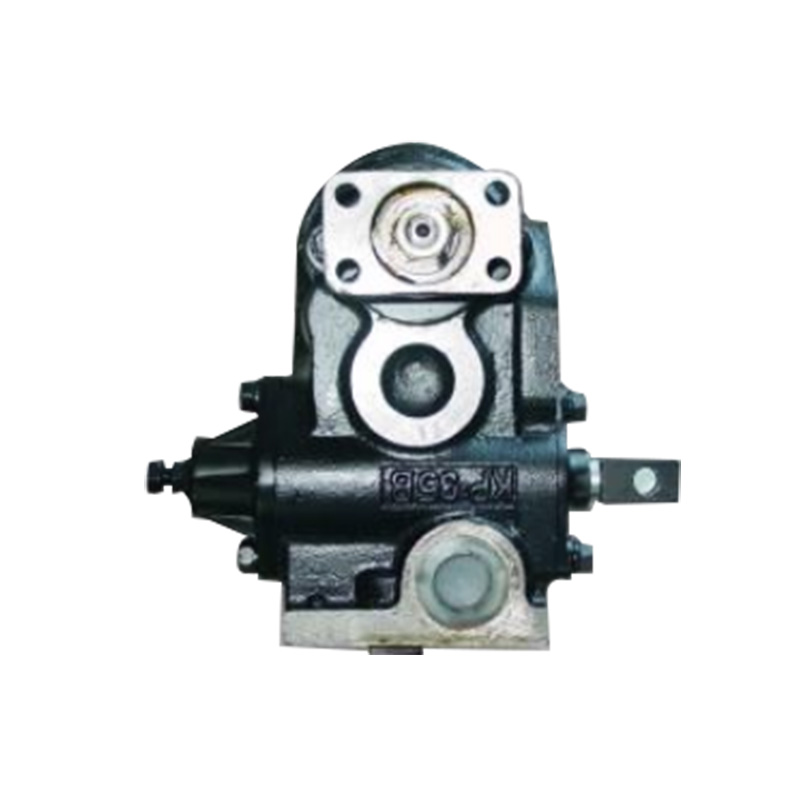
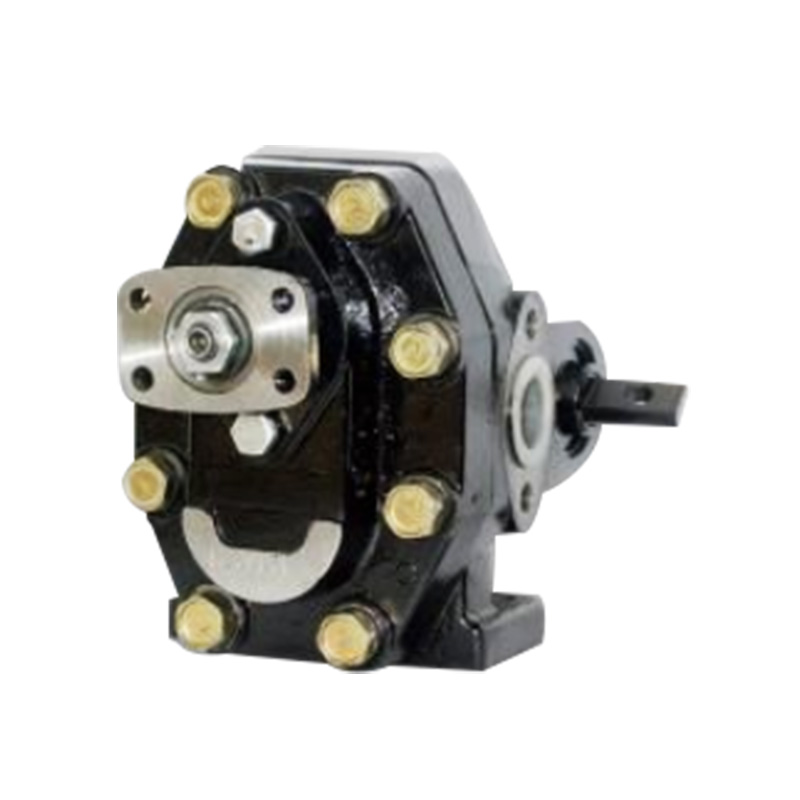
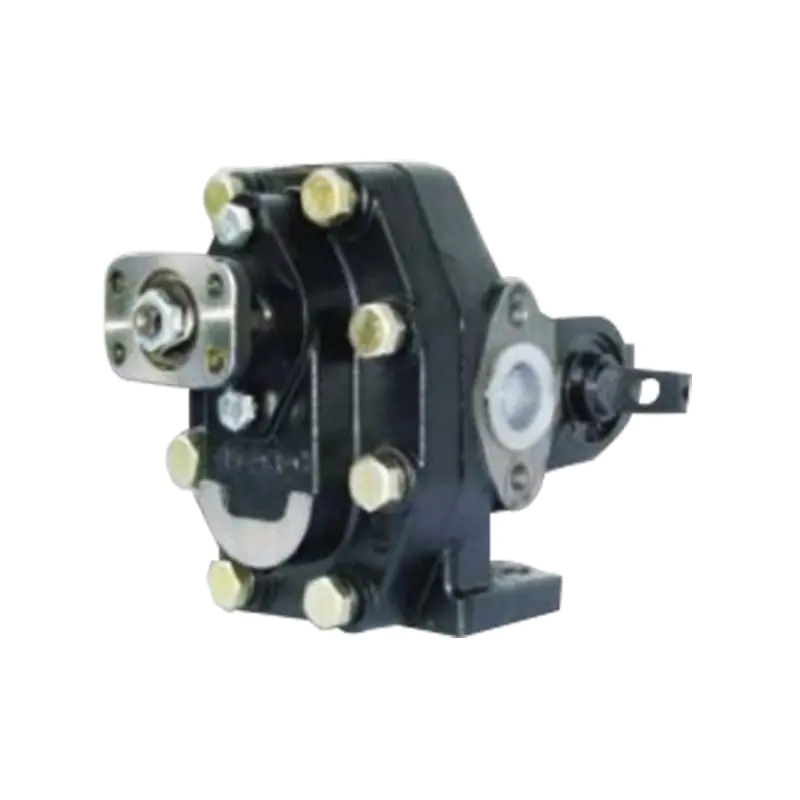
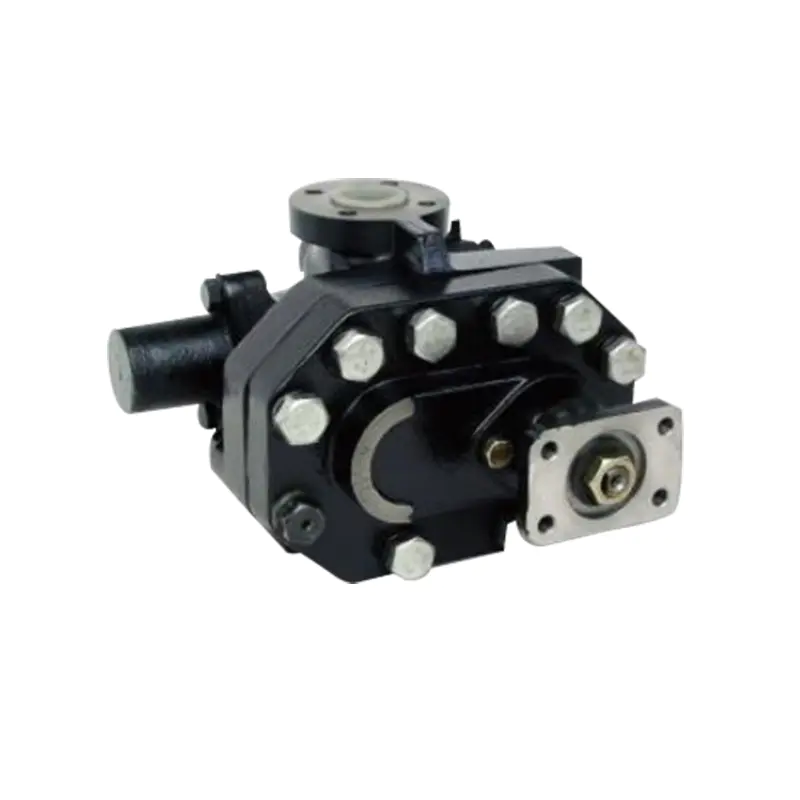
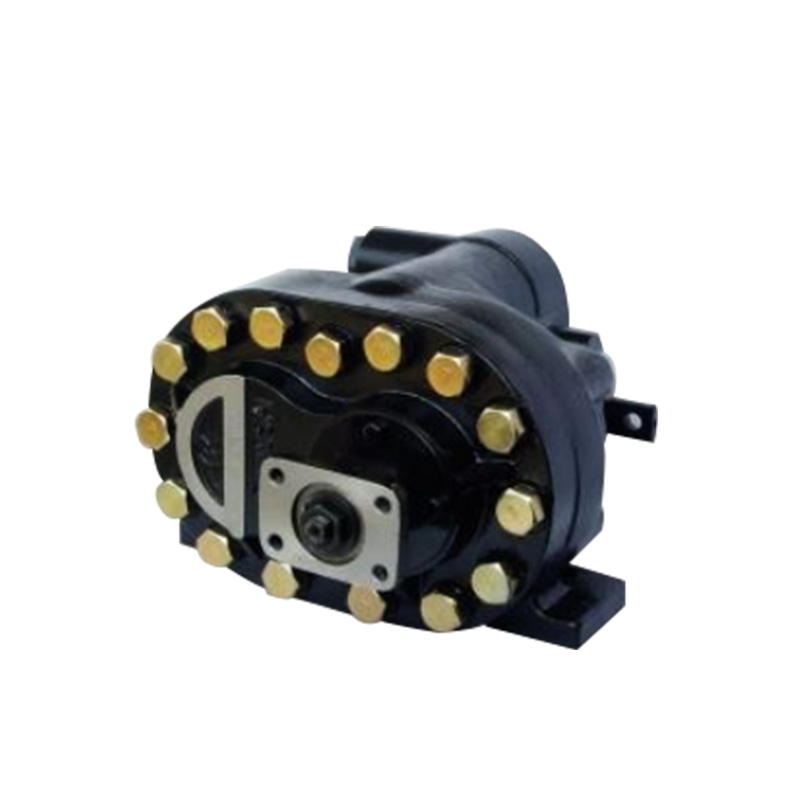
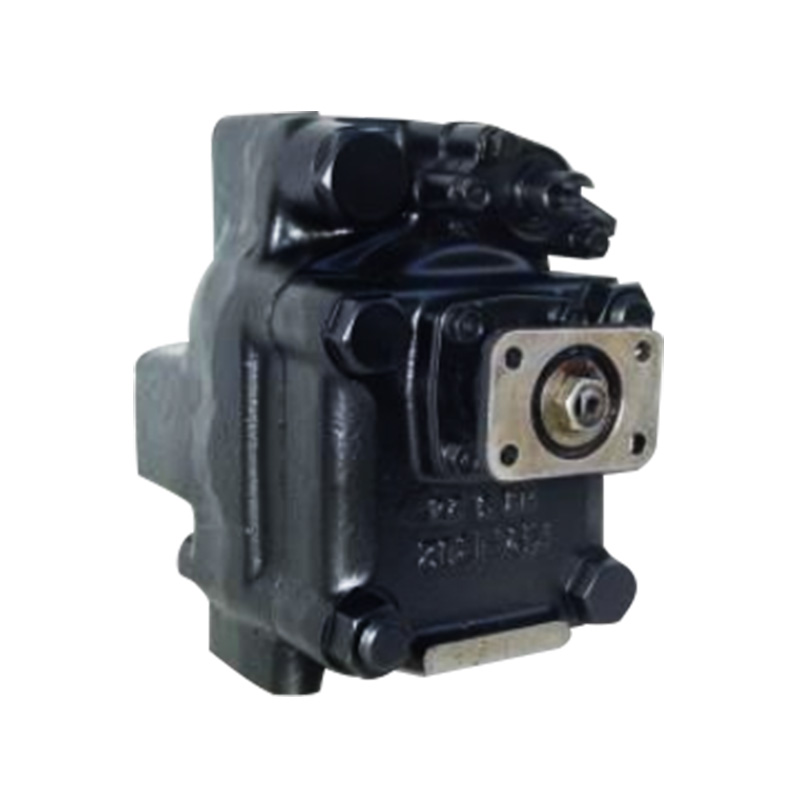
A hydraulic system that consumes more energy than the application requires, generates heat that accelerates fluid degradation, or adds unnecessary weight to mobile equipment is a system that has been specified without enough attention to pump selection. These are not abstract engineering concerns — they show up in fuel consumption figures, in fluid change intervals, and in the physical constraints of equipment that needs to be lighter or more compact than its current configuration allows. An Aluminum Hydraulic Gear Pump addresses several of these concerns simultaneously, not through any single dramatic improvement but through a combination of material properties and design characteristics that compound into meaningful efficiency gains across the full operating life of the equipment.
Before evaluating how pump selection affects efficiency, it is useful to understand where efficiency losses actually occur in a hydraulic system. The pump is the starting point of the circuit, but it is not the only place where energy is converted to heat rather than useful work.
Addressing pump selection is one of several levers available for improving system efficiency. The Aluminum Hydraulic Gear Pump specifically addresses the pump-level contributions to this list while also offering system-level benefits through weight reduction and heat management.
A gear pump generates flow by trapping fluid in the spaces between gear teeth and the pump housing as the gears rotate. On the inlet side, gear teeth separate, creating a low-pressure zone that draws fluid in. As the gears carry that fluid around the inside of the housing, the teeth mesh again on the outlet side, displacing the fluid into the outlet port under pressure.
The simplicity of this mechanism is one of the gear pump's core operational advantages. There are no valves, no pistons, no complex cam mechanisms — just two rotating gears and a close-fitting housing. This simplicity translates directly into reliability, low sensitivity to contamination relative to more complex pump designs, and predictable performance over extended service periods.
Aluminum dissipates heat significantly more effectively than cast iron, which means the pump body itself acts as a heat exchanger rather than a heat trap — reducing the thermal load on the hydraulic fluid.
The density difference between aluminum and cast iron means an aluminum pump body can be substantially lighter than a cast iron equivalent of the same displacement.
Aluminum machines to tighter tolerances more easily than cast iron, which can produce more precise fits between the gear rotors and the housing bores — directly affecting volumetric efficiency.
Heat is one of the primary efficiency enemies in a hydraulic system. As fluid temperature rises, viscosity decreases, internal leakage increases across all components, and the effectiveness of the fluid's lubricating properties diminishes. A pump that contributes to heat management rather than simply generating heat without a path for dissipation extends the efficiency window of the full circuit.
The thermal conductivity advantage of aluminum over cast iron is substantial. In continuous-duty applications where the pump runs warm, an aluminum housing allows that heat to transfer to the surrounding air more readily — reducing the temperature differential between the operating fluid and the ambient environment. In practical terms, this means:
For mobile hydraulic equipment — construction machinery, agricultural equipment, material handling vehicles, aerial work platforms — the weight of every component accumulates in the vehicle's total operating mass. Reducing component weight has cascading effects: lighter vehicles require less fuel to move the same load, can be rated for higher payload within the same gross vehicle weight limit, and impose lower structural loads on the frames and axles that support them.
A small hydraulic gear pump in aluminum rather than cast iron offers meaningful weight reduction in the pump itself. At the individual pump level, this may appear modest. Across a full machine specification with multiple hydraulic components, the cumulative weight reduction can be significant enough to affect vehicle classification, fuel consumption, and operating cost.
For original equipment manufacturers specifying hydraulic systems, this weight advantage is one of the more commercially significant differences between aluminum and cast iron pump options.
The performance comparison between Aluminum Hydraulic Gear Pumps and cast iron hydraulic gear pumps involves several dimensions, and the answer is not simply that one is better across all applications. Each material has a profile of advantages and appropriate application contexts.
| Factor | Aluminum Hydraulic Gear Pump | Cast Iron Hydraulic Gear Pumps |
| Weight | Significantly lighter | Heavier |
| Heat dissipation | Strong — conducts heat effectively | Lower — retains heat longer |
| Pressure rating | Suited to low-to-medium pressure | Suited to higher pressure ranges |
| Corrosion resistance | Good — natural oxide layer | Requires surface treatment in wet environments |
| Material cost | Higher raw material cost | Lower raw material cost |
| Machinability | Easier — supports tighter tolerances | Harder — more tool wear |
| Durability in abrasive environments | Moderate | Higher surface hardness |
| Typical application | Mobile equipment, light industrial | Heavy industrial, high-pressure systems |
For applications where weight reduction, heat management, and compact installation are priorities — mobile equipment, agricultural machinery, and light commercial hydraulic units — the aluminum variant offers advantages that cast iron cannot match at equivalent weight. For applications where sustained high pressure, abrasive fluid environments, or heavy industrial duty cycles are the primary constraints, cast iron's hardness and pressure capability may be the appropriate choice.
The comparison between a Gear Pump and Piston Pump is one that engineers evaluating hydraulic system efficiency frequently work through. The two pump types have fundamentally different performance characteristics, and the right choice depends on the application's requirements across pressure, flow, controllability, and cost.
A low pressure gear pump in an application that genuinely requires variable displacement and high pressure will underperform and consume more energy than a piston pump would in the same circuit. Conversely, a piston pump specified in an application that could be served well by a gear pump adds cost, complexity, and maintenance burden without functional benefit.
The hydraulic gear pump category includes several configuration variants, each suited to different system requirements. Understanding these variants helps engineers select not just the material choice but the mechanical configuration most appropriate for the application.
The most common configuration — two meshing external gears rotating in opposite directions. Straightforward design, well-understood performance characteristics, and widely available across displacement and pressure ranges. Suited to general hydraulic power unit applications, mobile equipment auxiliary circuits, and industrial systems with moderate pressure requirements.
An internal gear rotating inside an outer ring gear — produces smoother flow with lower pulsation than external gear designs. The concentric configuration also allows more compact packaging for a given displacement. Used in applications where flow smoothness affects actuator performance or where installation space is constrained.
A Hydraulic Gear Pump Motor serves as both a pump and a hydraulic motor depending on flow direction — useful in energy recovery circuits where motion is converted back to hydraulic pressure rather than dissipated as braking heat. Applicable in regenerative hydraulic circuits on mobile equipment and in certain industrial press circuits.
Compact displacement designs serving lower flow rate circuits — auxiliary systems, lubrication circuits, pilot supply systems, and small hydraulic power units. The small hydraulic gear pump category has expanded as mobile equipment has become more hydraulically dense, with more functions served by smaller dedicated pump circuits rather than a single large shared circuit.
Pump selection is the starting point for hydraulic system efficiency, but the pump does not operate in isolation. Four factors interact to determine what efficiency is actually achieved in service:
A pump sized correctly for the system's flow and pressure requirements operates near its efficiency peak rather than at partial load conditions where losses are proportionally higher.
Hydraulic fluid viscosity, cleanliness, and thermal stability all affect internal leakage and frictional loss across every component in the circuit — the pump's performance is partly a function of the fluid it is moving.
Hydraulic lines that are undersized for the flow rate they carry create pressure drop losses that the pump has to overcome — losses that appear as heat and reduced work output.
Relief valves set higher than the actual load requirement cause the pump to generate pressure that is immediately dumped through the relief — energy consumed by the pump that performs no useful work.
An Aluminum Hydraulic Gear Pump specified and installed correctly within a well-designed circuit delivers its efficiency potential. The same pump in a poorly matched system will underperform — not because of the pump but because of the constraints the system places on it.
For procurement teams and systems engineers evaluating hydraulic gear pump options, the evaluation should cover the full performance and cost picture rather than focusing on any single parameter.
A well-specified gear pump in aluminum or cast iron, matched to the system's actual requirements, delivers its efficiency potential reliably across its service life. The decision between configurations is an engineering judgment — and it benefits from access to suppliers who understand the application context as well as the product specifications.
Selecting a hydraulic pump for efficiency gains requires looking beyond displacement and pressure ratings to the full set of factors that determine how the pump performs within a specific system. For mobile and light industrial applications where weight reduction and thermal management translate directly into operating cost and equipment capability, the Aluminum Hydraulic Gear Pump offers a combination of advantages that cast iron and alternative pump technologies do not match at comparable price points. The efficiency improvement is not dramatic in any single dimension — it is the accumulation of lighter weight, better heat transfer, adequate pressure capability, and reliable volumetric efficiency over extended operating cycles that produces the total performance difference.
Xianju Liming Machinery Co., Ltd. manufactures hydraulic gear pumps in aluminum and cast iron configurations across a range of displacements, pressure ratings, and mounting options for mobile, agricultural, and industrial hydraulic applications. For engineers and procurement teams evaluating pump specifications or seeking supplier support for hydraulic system design, reaching out to their technical team with application requirements is a practical first step toward a well-matched sourcing decision.
We focus on the research, development, manufacturing and service of various high-pressure and high-displacement gear pumps and related products and copper and woodblock printing machines.
Are You Ready To Cooperate
With Xianju Liming Machinery Co., Ltd. ?
* Your email is safe with us, we don't spam.
Xianju Liming Machinery Co., Ltd. specializes in the production of various high-pressure and high-displacement gear pumps and related products. We also specialize in producing various specifications of copperplate engraving machines, woodblock printing machines and other printmaking art equipment.
Contact Info
+86-13676695112
+86-18868136522
+86-576-87733908
+86-576-87719094
No. 407, Chuancheng North Road, Anzhou Street, Xianju County, Taizhou City, Zhejiang, China.
Mobile web