 English
 中文简体
中文简体

+86-13676695112
+86-18868136522
+86-576-87733908
A hydraulic system that used to run smooth and now hesitates under load, drips at a fitting nobody remembers loosening, or whines louder every week is rarely a mystery once someone traces it back far enough. Most of the time the root cause sits at the pump, and understanding Hydraulic Gear Pump Types before ordering a replacement saves a maintenance team from repeating the same failure a second time. Engineers dealing with inconsistent pressure, slow cylinder response, or a system that overheats on hot afternoons already know the frustration of chasing symptoms instead of the actual source.
Pressure loss rarely announces itself with a dramatic failure. It creeps in gradually — a cylinder that used to extend in a beat now takes a fraction longer, or a press that used to hold force steady starts to sag slightly under sustained load. By the time an operator notices, internal wear inside the pump has usually been building for a while.
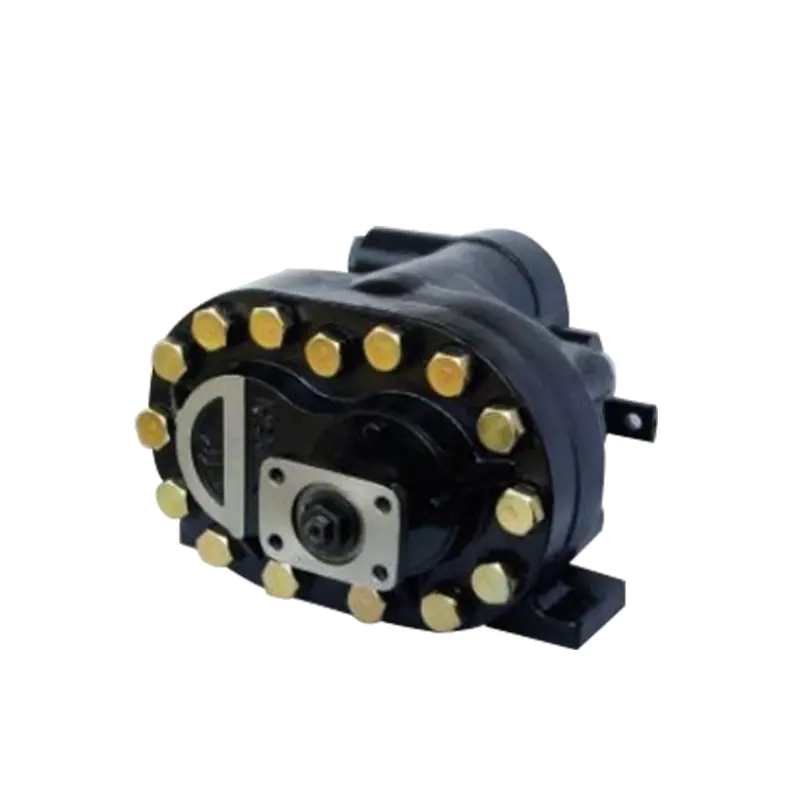
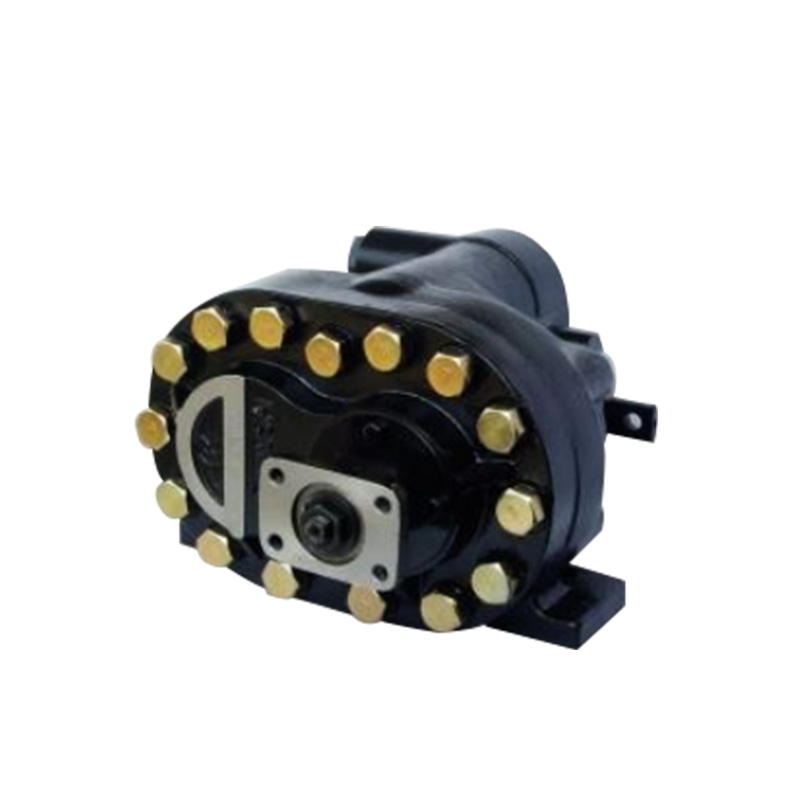
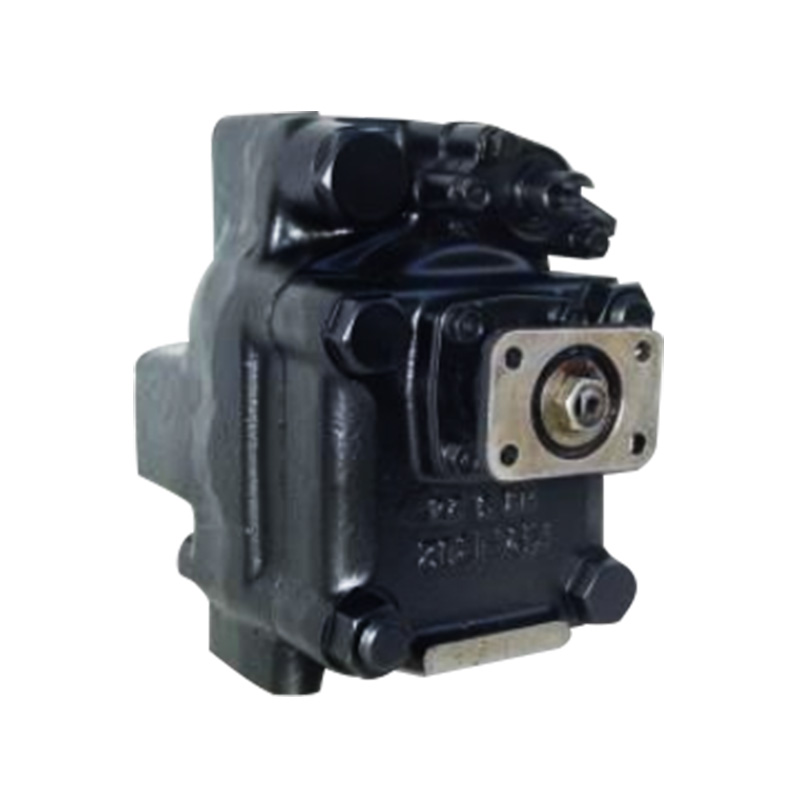
Internal leakage between gear teeth and housing is the usual culprit. As clearances widen from normal wear, some of the fluid meant to build pressure slips back instead of moving forward through the system. That's a Low Pressure Gear Pump condition in the making, even if the pump hasn't failed outright yet.
A few signs tend to show up together:
It usually is. Cavitation, worn bearings, or air trapped in the fluid all produce distinct sounds, and a technician who's spent time around these machines can often narrow down the cause before opening anything up. A sharp whine that gets louder with rpm often points to cavitation from restricted inlet flow. A deeper, rhythmic knock suggests something mechanical is wearing unevenly inside the housing.
Ignoring pump noise rarely makes it go away. It tends to get worse, and by the time performance drops noticeably, the internal wear has often progressed past the point where a simple seal replacement would fix things.
A gear pump works on a fairly simple principle — two meshing gears rotate inside a tightly fitted housing, carrying fluid around the outside of each gear tooth from the inlet side to the outlet side. As the teeth mesh back together at the discharge point, fluid gets pushed out under pressure. There's no valving involved the way there is in a piston design, which is part of why gear pumps tend to be mechanically straightforward to service.
That simplicity is exactly what makes them useful for solving the pressure and reliability issues described above. Fewer moving parts means fewer things that can wear unevenly, and a properly sized gear pump maintains steadier flow across a wider range of operating conditions than a system running on a pump nearing the end of its service life.
Comparing a Gear Pump and Piston Pump side by side comes down to a handful of practical tradeoffs rather than one design simply outperforming the other in every scenario. Piston pumps generally handle variable displacement and higher pressure ranges with more precision, which suits applications where flow needs to change dynamically throughout a cycle.
Gear pumps, on the other hand, tend to be more tolerant of contamination, simpler to rebuild in the field, and less expensive to keep running over time. For fixed displacement applications where flow demand stays fairly constant, that tradeoff often favors the gear design, particularly in equipment where downtime for a complex piston pump rebuild isn't practical.
A pump doesn't operate in isolation — the Hydraulic Gear Pump Motor driving it has to deliver consistent rotational speed and torque for the pump to do its job correctly. If the motor is undersized for the load, or if coupling alignment has drifted over time, the pump ends up working against resistance it wasn't designed to handle.
Misalignment between motor and pump shaft is easy to overlook during a routine inspection but shows up as premature bearing wear and vibration that gradually loosens fittings elsewhere in the system. A quick alignment check during scheduled maintenance catches this before it turns into a bigger repair.
Once a failure has been traced to the pump, the next decision is what to replace it with. This is where material and sizing choices start to matter, and where a purchasing decision meets the technical realities of the application.
| Option | Typical Advantage | Common Application |
|---|---|---|
| Aluminum Hydraulic Gear Pump | Lighter weight, easier handling during install | Mobile equipment, light industrial use |
| Cast Iron Hydraulic Gear Pump | Higher durability under sustained heavy load | Stationary industrial systems |
| Small Hydraulic Gear Pump | Compact footprint for tight installations | Bench equipment, small machinery |
| Commercial Gear Pump | Built for continuous duty cycles | Manufacturing lines, ongoing production use |
| Concentric Hydraulic Gear Pump | Consistent output across a steady operating range | General fluid transfer applications |
Reading through those options, there isn't a single answer that fits every situation. A mobile crane and a stationary press are asking two different things from a pump, and matching the option to the actual duty cycle avoids paying for durability that never gets used, or worse, under-specifying a pump that fails again within a season.
Not every gear pump application sits inside a classic hydraulic circuit. Oil Power Gear Pump setups also show up in lubrication systems, fuel transfer, and other fluid-moving tasks where consistent flow matters more than high pressure output. The same meshing-gear principle applies, just tuned for a different fluid viscosity and flow rate target.
Understanding this broader use case matters for buyers evaluating suppliers, since a pump built specifically for lubrication duty isn't always a direct substitute for one designed around hydraulic pressure demands, even though they look similar from the outside.
Working through these steps in order, rather than jumping straight to replacement, often reveals a smaller fix than anticipated — sometimes it really is just a seal, not the whole housing.
Yes, though the effect is easy to underestimate until a poorly maintained system is compared against one that's been cared for consistently. Clean fluid, correct viscosity for the operating temperature range, and periodic inspection of coupling alignment all reduce the internal wear that eventually causes the pressure loss described earlier.
Filtration deserves particular attention here. Contaminated fluid accelerates wear on gear teeth and bearing surfaces faster than almost any other single factor, and a filter that's overdue for replacement quietly undermines even a well-chosen pump. Buyers sourcing pumps for demanding environments often pair the purchase with a filtration upgrade rather than treating them as separate decisions, since one without the other tends to shorten the service life of both.
Solving a recurring hydraulic problem isn't really about finding one component that fixes everything at once — it's about matching pump design, material, and sizing to what the equipment actually needs day to day. A system running light duty cycles in a mobile application asks for something different than a stationary press running continuously through a shift, and treating those as the same purchasing decision is usually where trouble starts again down the line. Whether the concern is a Low Pressure Gear Pump condition that's been building quietly for months, deciding between a Gear Pump and Piston Pump for a new build, or sorting through Hydraulic Gear Pump Types to match an aging system's original specifications, the underlying goal stays the same: steady pressure, manageable maintenance, and equipment that doesn't leave a shift short on output. Xianju Liming Machinery Co., Ltd. works with buyers navigating exactly these kinds of sourcing decisions and welcomes inquiries from teams looking to discuss specifications, material options, or replacement units for an upcoming project.
We focus on the research, development, manufacturing and service of various high-pressure and high-displacement gear pumps and related products and copper and woodblock printing machines.
Are You Ready To Cooperate
With Xianju Liming Machinery Co., Ltd. ?
* Your email is safe with us, we don't spam.

Xianju Liming Machinery Co., Ltd. specializes in the production of various high-pressure and high-displacement gear pumps and related products. We also specialize in producing various specifications of copperplate engraving machines, woodblock printing machines and other printmaking art equipment.
Contact Info
+86-13676695112
+86-18868136522
+86-576-87733908
+86-576-87719094
No. 407, Chuancheng North Road, Anzhou Street, Xianju County, Taizhou City, Zhejiang, China.
Mobile web
