+86-13676695112
+86-18868136522
+86-576-87733908
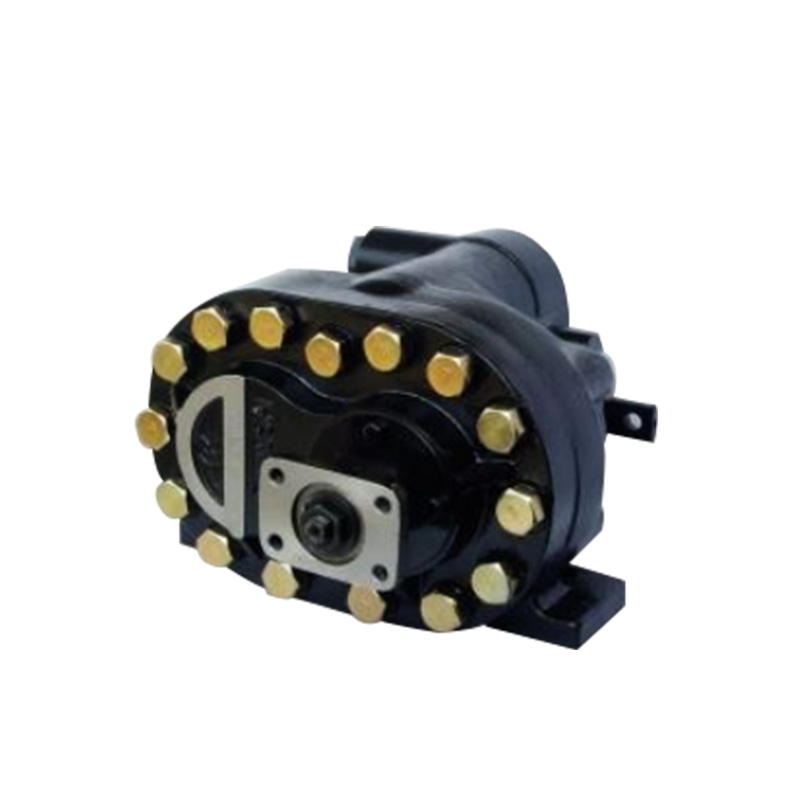
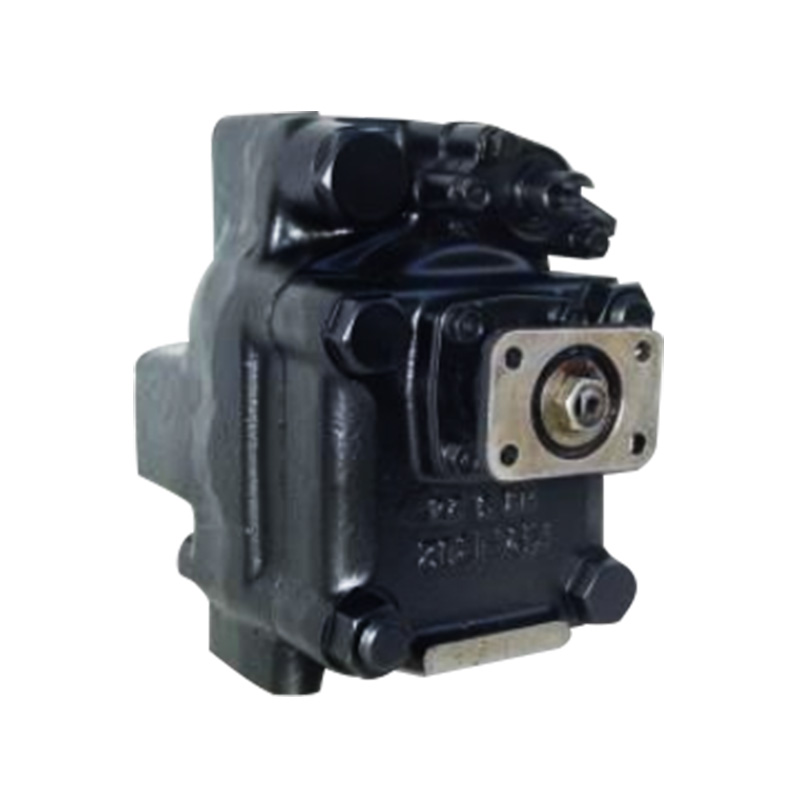
Hydraulic pump failure on a dump truck rarely happens at a convenient time. It shows up mid-shift, under load, when the bed will not lift or drops unexpectedly — and the root cause often traces back to a pump that was never well-matched to the actual operating demands of the vehicle. Engineers and fleet managers dealing with recurring hydraulic issues on dump trucks frequently discover that the original pump specification either underestimated the pressure requirements of the lifting cycle or prioritized upfront cost over durability. Selecting the right pressure gear pump for a dump truck application is not a catalog exercise. It requires understanding how the hydraulic system actually works under load, what failure modes look like in the field, and how different pump configurations handle the duty cycle that dump truck operation demands.
A gear pump converts mechanical energy — typically drawn from the truck's power take-off — into hydraulic flow and pressure. Two meshing gears rotate within a close-tolerance housing. As the teeth separate on the inlet side, they create a low-pressure zone that draws fluid in from the reservoir. As the same teeth mesh on the outlet side, they trap fluid between the gear teeth and the housing wall, forcing it out at pressure into the hydraulic circuit.
In a dump truck context, this pressurized flow drives the hydraulic cylinder that lifts the bed. The pump must develop enough pressure to overcome the combined weight of the bed and its cargo, and it must sustain that pressure through the full stroke of the lift cycle. The demands on the pump are not constant — they spike at the start of the lift when the full weight must be overcome, ease slightly as the geometry changes through mid-stroke, and may spike again near the end of travel depending on the cylinder design.
Key functions the pump serves in the dump truck hydraulic circuit:
The term "gear pump" covers more than one configuration, and the differences between them are relevant to dump truck hydraulic selection.
Pump specifications appear in catalogs as tables of numbers — pressure ratings, flow rates, displacement per revolution, speed range, and efficiency figures. Translating those numbers into an informed selection decision requires knowing which parameters are governing for the specific application.
Dump trucks operate across a wide range of conditions, and the pump specification appropriate for one application may be insufficient for another. The following operating variables affect what the pump must deliver.
Different pump configurations offer different performance characteristics. The overview below captures the key differences relevant to dump truck hydraulic selection.
| Configuration | Pressure Capability | Durability Profile | Typical Application |
| Standard external gear pump | Moderate | Good under normal duty | Light to medium dump trucks |
| High-pressure external gear pump | High | Strong under sustained load | Medium to heavy-duty trucks |
| Internal gear pump | Moderate to high | Good | Specialized lifting equipment |
| Heavy-duty external gear pump | High | High for continuous duty | Heavy construction, quarry trucks |
When a pump reaches the end of its service life or fails unexpectedly, the replacement decision typically comes down to OEM-sourced parts versus aftermarket alternatives. Both options have legitimate places in fleet management, but the evaluation criteria that matter are often different from the initial purchase decision.
OEM-sourced pumps are manufactured to the same specifications as the original equipment. Internal clearances, materials, and performance ratings match the system's design intent. For applications where the original pump was well-matched to the duty and operated to normal service life, an OEM replacement restores the system to its designed performance.
Aftermarket replacement pumps vary considerably in quality. Some are manufactured to specifications that match or approach OEM tolerances; others are made to lower standards that result in reduced volumetric efficiency from installation, faster wear progression, or higher rates of early failure. Evaluating aftermarket options requires looking beyond price to manufacturing origin, tolerance specifications, and what quality documentation the supplier provides.
Factors to evaluate when comparing OEM and aftermarket sourcing:
Understanding how gear pumps fail in dump truck service helps connect specification decisions to real-world outcomes. The failure patterns that appear most frequently in field service are not random — they reflect specific mismatches between pump capability and operating demands.
A structured selection process avoids the errors that come from matching pumps by visual similarity to what was previously installed or by price comparison alone.
A pressure gear pump does not operate in isolation — it functions as part of a hydraulic circuit that includes the reservoir, filter, control valves, cylinder, lines, and fittings. The pump's performance in service depends on the condition of all these components, and a pump that is correctly specified but installed in a system with a restricted inlet filter, undersized lines, or a worn relief valve will not deliver its rated performance. Conversely, upgrading to a higher-capacity pump without confirming that the rest of the circuit can handle the change may create new problems rather than solving existing ones.
For engineers and fleet managers working through a pump replacement or system upgrade decision, the most reliable path is combining a clear definition of the operating requirements with a supplier who can confirm compatibility across the full system. Xianju Liming Machinery Co., Ltd. manufactures hydraulic gear pumps for mobile equipment applications including dump truck lifting systems, with products spanning standard and high-pressure configurations suited to a range of vehicle classes and duty cycles. If you are evaluating pump options for a specific truck model and operating profile, reaching out to discuss the application details directly is the practical way to confirm that the specification will hold up under real working conditions.
We focus on the research, development, manufacturing and service of various high-pressure and high-displacement gear pumps and related products and copper and woodblock printing machines.
Are You Ready To Cooperate
With Xianju Liming Machinery Co., Ltd. ?
* Your email is safe with us, we don't spam.
Xianju Liming Machinery Co., Ltd. specializes in the production of various high-pressure and high-displacement gear pumps and related products. We also specialize in producing various specifications of copperplate engraving machines, woodblock printing machines and other printmaking art equipment.
Contact Info
+86-13676695112
+86-18868136522
+86-576-87733908
+86-576-87719094
No. 407, Chuancheng North Road, Anzhou Street, Xianju County, Taizhou City, Zhejiang, China.
Mobile web