+86-13676695112
+86-18868136522
+86-576-87733908
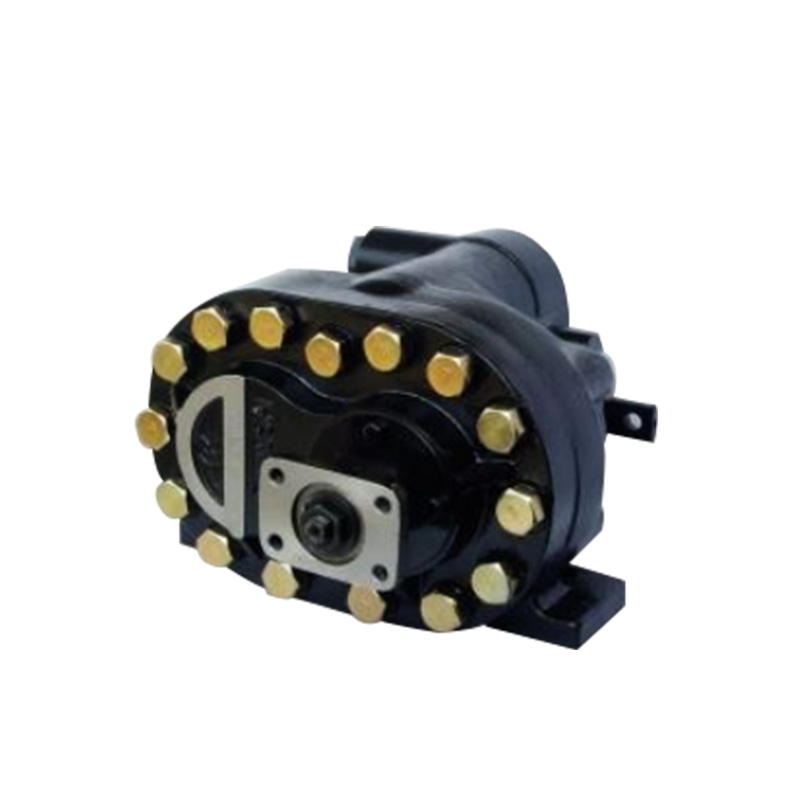
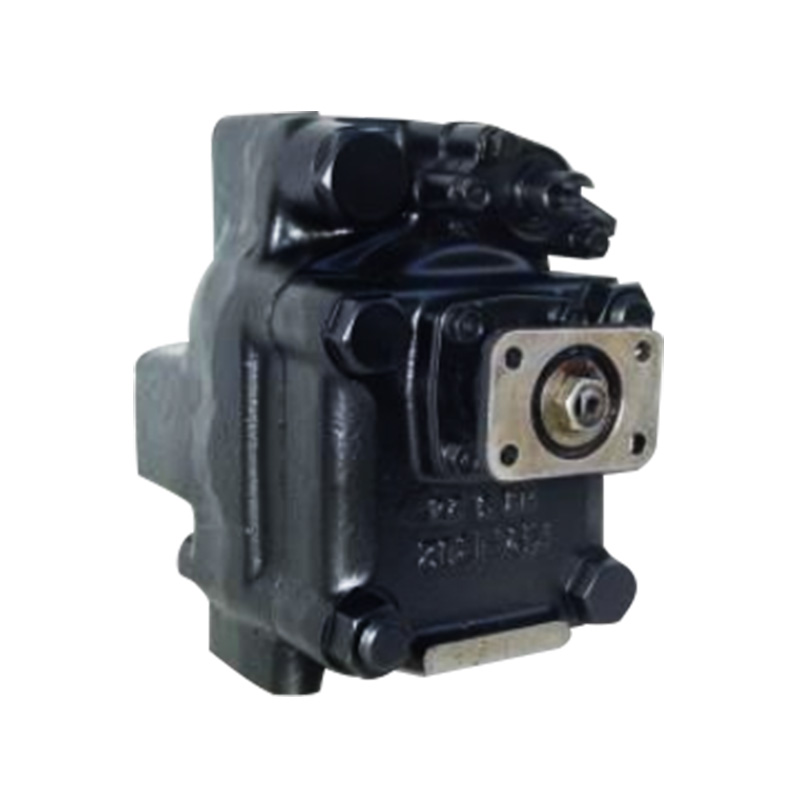
Heavy machinery operators often run into sudden delays when hydraulic systems start losing power in the middle of lifting or shifting really large loads. Equipment managers watch pressure fluctuations slow down entire cycles and put extra strain on other components as the hours add up. A Pressure Gear Pump steps in here by offering steady hydraulic force that keeps things moving reliably even when conditions get tough on the job.
These pumps rely on rotating gears to push fluid steadily through the entire system. Some use two gears that mesh directly while others have one gear turning inside a second. The arrangement creates flow and builds the pressure needed for tough jobs without layers of complicated extra pieces getting in the way.
It runs on positive displacement. The gears trap small pockets of fluid and carry them from the entry side over to the exit. As they turn the space between the teeth shrinks and pressure rises in a natural way. This setup keeps delivering power even when the load suddenly shifts or changes during a busy shift.
You notice how the action feels almost constant once everything gets going.
Pressure turns the fluid into actual force that lets cylinders lift, push, or hold heavy weights in place. When pressure drops off machines can hesitate or fail to stay steady under load. Pumps like this help cut down those interruptions by keeping output even across all kinds of tasks and changing conditions on site.
Sometimes the difference shows up clearest when one minute needs fast response and the next requires holding firm force for several minutes straight.
Their straightforward build tends to hold up well in both mobile equipment and fixed industrial setups. With fewer parts that wear down fast they fit environments where stopping work costs real money every hour. Many connect directly to vehicle systems so power flows without needing many extra adapters or steps along the way.
Gears come together to squeeze fluid forward while fresh supply keeps entering from the inlet. The ongoing meshing holds pressure steady as demands shift during the workday. Relief features in the circuit protect everything while the output stays reliable through all kinds of cycles.
Fluid gets pulled in as the gears separate on one side creating a lower pressure area there. Rotation swings those filled pockets around the housing until the teeth engage again on the outlet side and push the fluid out under higher pressure. The whole cycle repeats smoothly enough to power the work without big ups and downs.
Fluid fills the spaces between gear teeth near the inlet. Rotation carries those pockets through the housing toward the discharge side. Meshing teeth reduce the volume and raise pressure for the work ahead. The flow then heads out to cylinders or motors handling the actual load.
The motion feels almost rhythmic after you get used to it and it supports steady action even when operators adjust controls on the fly during a job.
Strong materials in the housing and gears stand up to repeated pressure cycles without giving in quickly. Precise machining keeps everything aligned during long stretches of use. Good sealing methods cut down on internal leaks that would otherwise waste energy over time.
Pressure handling matches the force needed for heavy tasks while flow delivery responds quickly when controls change. Direct connections to power take-off drives make installation simpler in vehicles and machines. All these details together create dependable behavior when the ground gets rough or the workload picks up suddenly.
Tipping systems on dump trucks use steady pressure to raise loads safely and bring them back down without sudden movements. Construction machines count on them for controlled boom and bucket actions while moving materials around the site. Industrial lifting setups depend on their output to handle repeated raising and positioning through full shifts.
They power platforms that hold and shift heavy items during transport runs. Forklift and loader work gains responsive hydraulic action for stacking or retrieval tasks. Fleet operators often mention how this pump type keeps equipment productive across mixed routes and changing site conditions day after day.
Some crews have shared that moving to this style noticeably cut unexpected stops during the busiest seasons when every single cycle matters.
Consistent delivery helps equipment behave in a more predictable way from the start of a shift until the end. The compact size slides into tight machinery spaces without adding much extra weight. Service work usually stays fairly straightforward instead of turning into long complicated repairs.
Fewer internal moving elements mean smaller chances of little failures building up while running. Flow holds steady even when loads change quickly or temperatures rise and fall through the day. This adds up to smoother overall performance and helps keep costs under control across longer periods of use.
Here is a comparison of pump characteristics in typical use:
| Aspect | Pressure Gear Pump Approach | Standard Gear Pump Approach | Typical System Outcome |
|---|---|---|---|
| Pressure Capability | Sustained high levels | Moderate levels | Better support for heavy loads |
| Flow Consistency | Steady under varying conditions | More fluctuation possible | Smoother equipment movement |
| Durability in Duty | Suitable for continuous work | Better for lighter cycles | Longer intervals between service |
| Integration | Works with vehicle systems | Requires additional adaptations | Easier setup in mobile equipment |
Running at higher pressure for long stretches can build up heat that affects both fluid and components. Picking the right fluids and adding cooling support helps keep temperatures under control. Dust or particles sneaking into the system wear down surfaces faster if filtration is not watched carefully.
Regular checks on seals and connections during normal stops catch small problems before they grow into bigger ones. Matching the pump size properly to the whole circuit avoids extra strain or wasted effort. Careful alignment when installing reduces vibration that can shorten service life over months of work.
Experienced teams often develop their own habits around watching fluid condition that end up extending useful operation in ways they did not expect at first.
Start by thinking about the heaviest loads your machines usually handle and the pressure level required to move them effectively. Flow requirements need to line up with how quickly your typical cycles must finish for good efficiency. Daily or weekly duty patterns help point toward configurations that hold up without needing constant attention or adjustments.
Take time to review the full hydraulic layout and the drive sources already available on your machines. Talking with manufacturers who know heavy applications brings practical suggestions that fit real conditions. Running some tests under normal working situations confirms the choice before moving to larger commitments.
The way a Pressure Gear Pump supports heavy-duty load handling comes down to its steady delivery of hydraulic power even when conditions keep changing. From the basic gear action all the way through integration with actual equipment it helps maintain lifting pushing and positioning across many different industrial tasks. For reliable manufacturing support and options tailored to your hydraulic system requirements, reach out to Xianju Liming Machinery Co., Ltd. Connect with them to discuss your equipment specifications, explore configurations that match your load handling needs, or learn about solutions that support consistent performance in daily operations. Taking that step allows your team to evaluate suitable choices in your specific environment and move toward smoother workflows while addressing the hydraulic challenges you face in heavy-duty applications across varying job demands site conditions and long operating hours that your operations deal with regularly.
We focus on the research, development, manufacturing and service of various high-pressure and high-displacement gear pumps and related products and copper and woodblock printing machines.
Are You Ready To Cooperate
With Xianju Liming Machinery Co., Ltd. ?
* Your email is safe with us, we don't spam.
Xianju Liming Machinery Co., Ltd. specializes in the production of various high-pressure and high-displacement gear pumps and related products. We also specialize in producing various specifications of copperplate engraving machines, woodblock printing machines and other printmaking art equipment.
Contact Info
+86-13676695112
+86-18868136522
+86-576-87733908
+86-576-87719094
No. 407, Chuancheng North Road, Anzhou Street, Xianju County, Taizhou City, Zhejiang, China.
Mobile web