 English
 中文简体
中文简体

+86-13676695112
+86-18868136522
+86-576-87733908
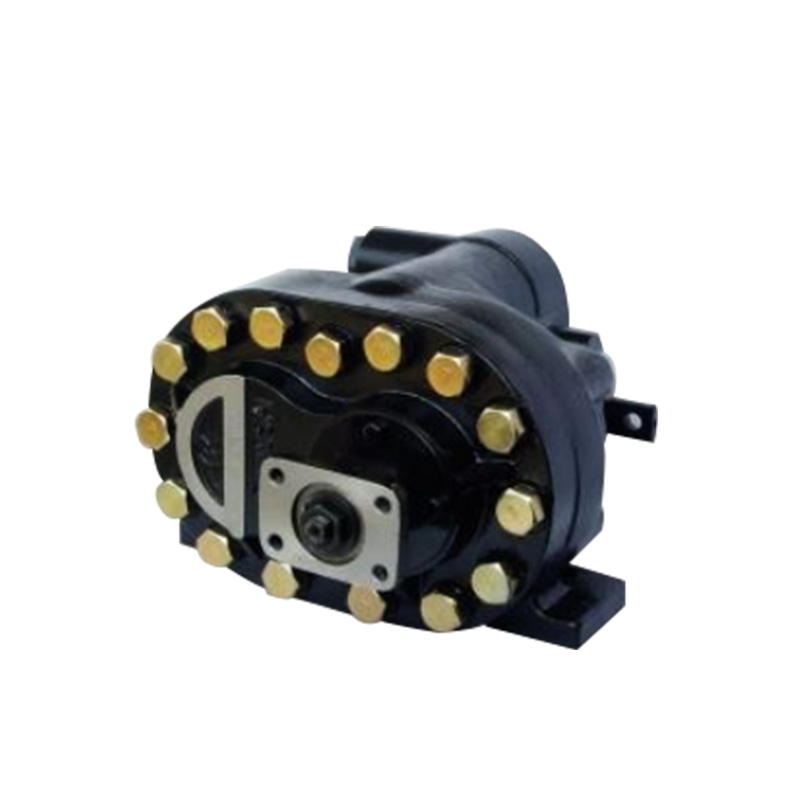
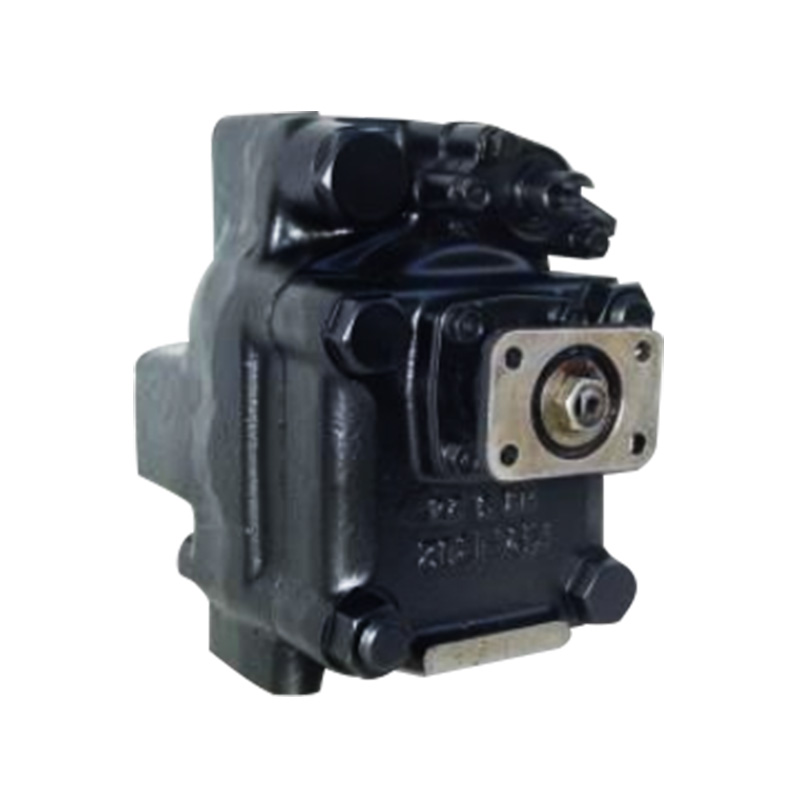
The hydraulic gear pump, a workhorse of industrial and mobile machinery, relies on a simple principle: interlocking gears rotating within a sealed housing to move fluid. While the operating principle has remained consistent for decades, the materials used to manufacture these pumps have undergone significant evolution. The choice of materials directly impacts a pump's cost, weight, pressure capacity, fluid compatibility, and operational lifespan.
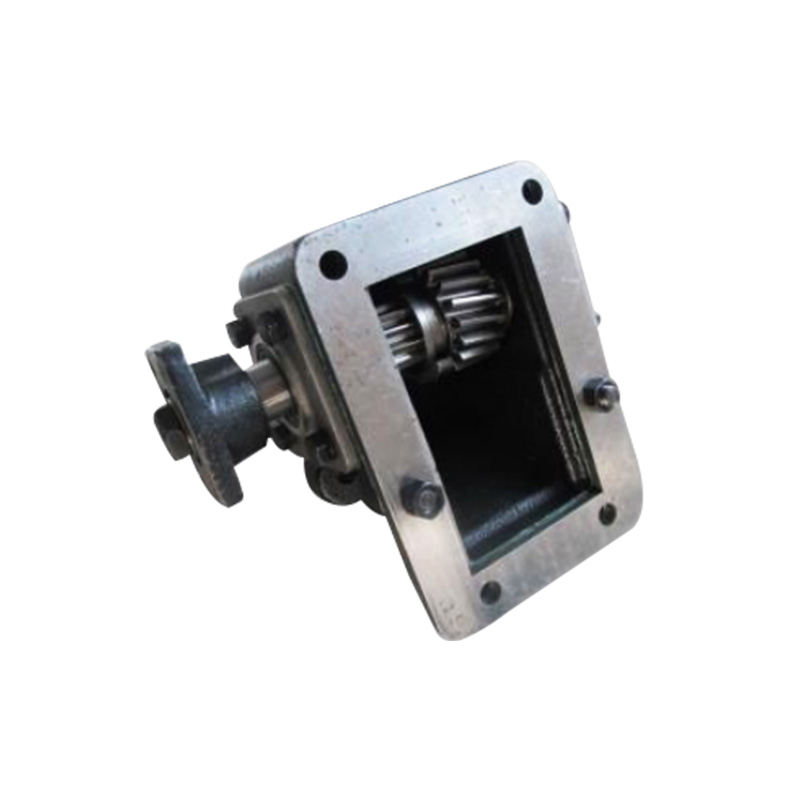
The Foundation: Traditional Ferrous Alloys
For the bulk of standard industrial and heavy-duty mobile applications, ferrous metals—those containing iron—form the backbone of gear pump construction. These materials are chosen for their strength, durability, and well-understood manufacturing processes.
Pump Housings (Bodies): The main housing, which contains the gears and directs fluid flow, is commonly made from cast iron, specifically grades like grey iron or ductile iron.
Cast iron is favored for its vibration damping characteristics, which reduces operational noise.
It offers high strength and resistance to deformation under pressure, making it suitable for systems operating above 3,000 psi.
Its machinability allows for the precision tolerances required between the gears and the housing bore.
Gears: The gears themselves are typically machined from steel, often high-strength alloys like 4140 or 8620.
These steels can be case-hardened through processes like carburizing or nitriding. This creates a hard, wear-resistant outer surface while maintaining a tough, shock-absorbing core.
This combination is critical as the gear teeth experience both rolling contact stress and the risk of impact from contaminants in the fluid.
Shafts and Bushings: The drive shaft, which transfers power from the prime mover, is invariably made from high-strength steel. The bearing surfaces, traditionally, have been lead-bronze or aluminum-bronze bushings pressed into the housing. These materials provide a compatible bearing surface against the steel gear journals, offering good embedment properties for any small contaminants.
The Drive for Efficiency and Lightweighting: Aluminum
The significant material shift in recent decades, particularly in mobile applications like construction and agriculture, has been the widespread adoption of aluminum alloys for pump housings.
Weight Reduction: In mobile equipment, every kilogram saved translates to fuel efficiency or increased payload. An aluminum housing can reduce the weight of a pump by 50-60% compared to its cast iron equivalent. This makes aluminum the material of choice for applications like tractor implements, aerial lifts, and smaller construction vehicles.
Thermal Conductivity: Aluminum dissipates heat more effectively than cast iron. In systems where cooling is a challenge, an aluminum housing can help lower the operating temperature of the hydraulic fluid, potentially extending fluid and seal life.
Corrosion Resistance: Aluminum naturally forms a protective oxide layer, offering better resistance to atmospheric corrosion than unprotected steel or iron. This is valuable in equipment exposed to the elements.
Material Limitations: The trade-off is that aluminum alloys generally have lower tensile strength and fatigue limits than cast iron. Consequently, aluminum-housed pumps are typically rated for lower pressures, often in the range of 2,500 to 3,000 psi, to prevent housing distortion or failure. To compensate, manufacturers often use steel bushings or sleeve bearings pressed into the aluminum housing to provide a durable surface for the gear journals.
Innovation in Sealing and Wear Surfaces
Beyond the structural components, specialized materials play a critical role in a pump's internal environment, managing friction, sealing, and wear.
Journal Bearings: While bronze is traditional, modern pumps increasingly utilize trimetal bearings. These consist of a steel backing for strength, a sintered bronze layer for heat transfer, and a thin overlay, often of a PTFE (polytetrafluoroethylene)-based material, which provides low friction and conformability.
Wear Plates and Pressure Plates: To maintain efficiency as components wear, many gear pumps use wear or pressure plates that float axially against the gear ends. These plates are often made from sintered bronze or hardened steel. In some designs, they are coated with materials like PEEK (polyether ether ketone) , a high-performance polymer that offers low friction, high temperature resistance, and exceptional chemical compatibility.
Shaft Seals: The primary seal, where the drive shaft exits the pump, is a critical wear component. While the elastomeric element (often Nitrile (Buna-N) for standard fluids or Viton (FKM) for high temperatures or aggressive fluids) does the sealing, the sealing lip rides on a precision-ground and sometimes hardened steel or ceramic-coated shaft surface. This hard, smooth surface minimizes wear on the seal lip, preventing leaks over the pump's life.
Niche Applications and Future Trends: Polymers and Composites
At the lower end of the power spectrum, and for specialized fluid handling, new material classes are emerging.
Engineered Polymers: For low-pressure applications like fluid transfer or lubrication systems, pumps with housings molded from high-strength engineered plastics (such as glass-filled nylon or PPS - polyphenylene sulfide) are available.
These pumps offer corrosion resistance, allowing them to handle aggressive chemicals, demineralized water, or other non-lubricating fluids that would rapidly destroy a metal pump.
They are also lightweight and can be manufactured at a lower cost in high volumes.
Protective Coatings: Surface engineering is becoming more prevalent even in traditional metal pumps. Beyond hard coatings on gears, external housings may be coated with high-durability epoxy or zinc-rich paints for corrosion protection in marine or harsh chemical environments. Internal surfaces may also receive specialized treatments to improve efficiency or compatibility with fire-resistant or biodegradable fluids.
The modern hydraulic gear pump market does not rely on a single "" material. Instead, it presents a carefully considered palette of options. Cast iron and steel provide the bedrock for high-pressure, heavy-duty reliability. Aluminum alloys have enabled a revolution in mobile equipment efficiency. And a range of specialized materials—from advanced polymers to low-friction coatings—allow gear pumps to be precisely tailored for performance, longevity, and compatibility in an ever-widening range of applications. The selection of materials is ultimately a series of engineering compromises, balancing strength against weight, cost against durability, to meet the specific demands of the task at hand.
We focus on the research, development, manufacturing and service of various high-pressure and high-displacement gear pumps and related products and copper and woodblock printing machines.
Are You Ready To Cooperate
With Xianju Liming Machinery Co., Ltd. ?
* Your email is safe with us, we don't spam.

Xianju Liming Machinery Co., Ltd. specializes in the production of various high-pressure and high-displacement gear pumps and related products. We also specialize in producing various specifications of copperplate engraving machines, woodblock printing machines and other printmaking art equipment.
Contact Info
+86-13676695112
+86-18868136522
+86-576-87733908
+86-576-87719094
No. 407, Chuancheng North Road, Anzhou Street, Xianju County, Taizhou City, Zhejiang, China.
Mobile web
