 English
 中文简体
中文简体

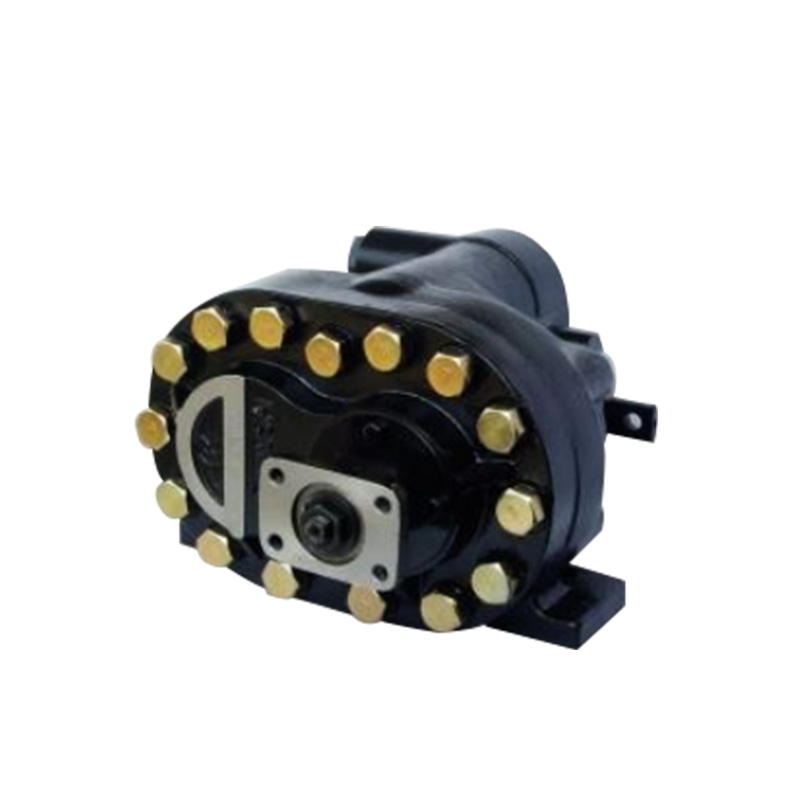
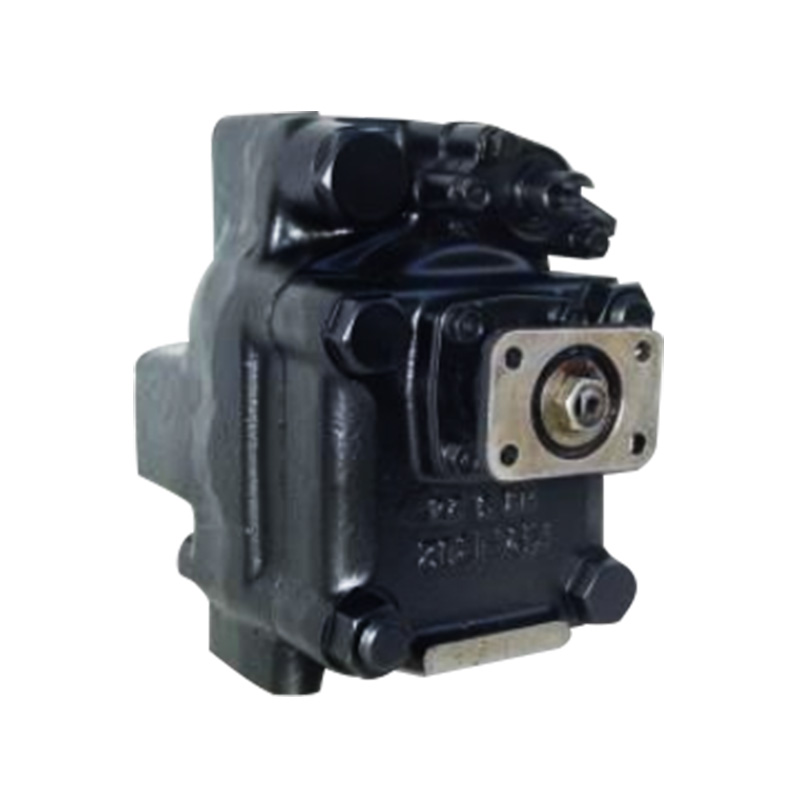
+86-13676695112
+86-18868136522
+86-576-87733908
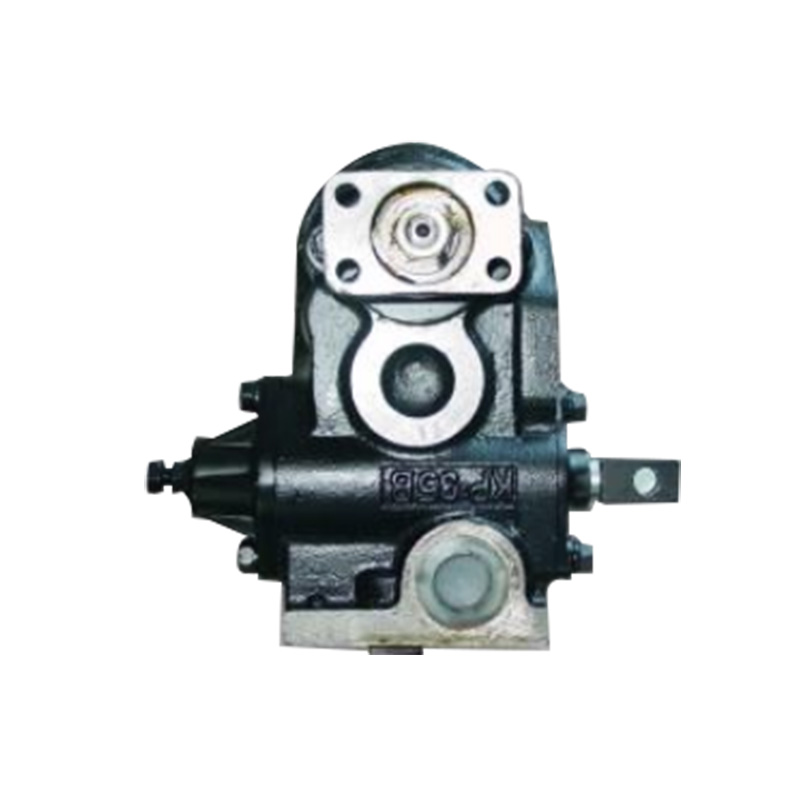
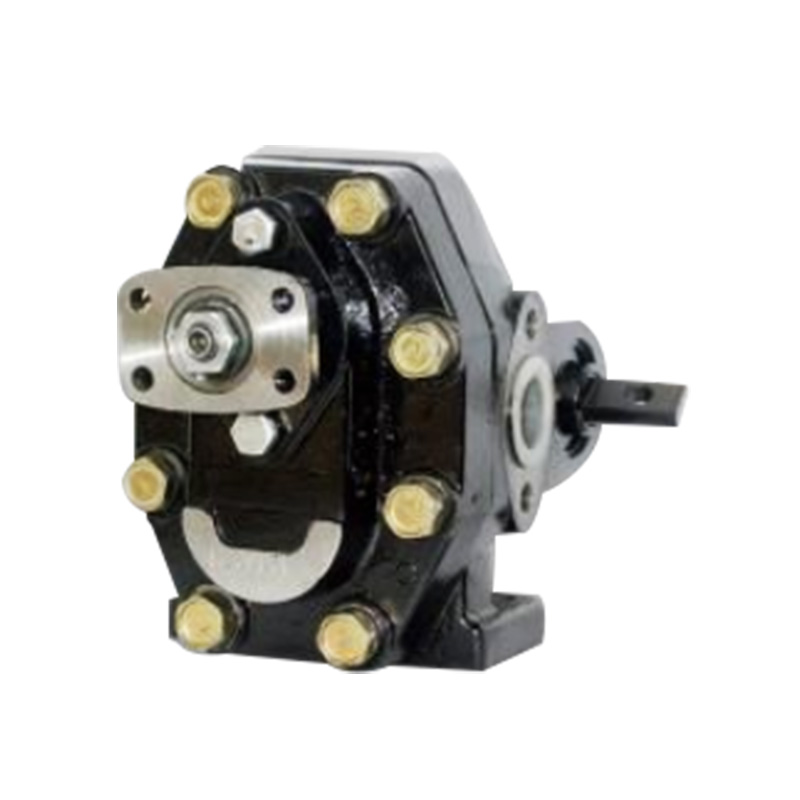
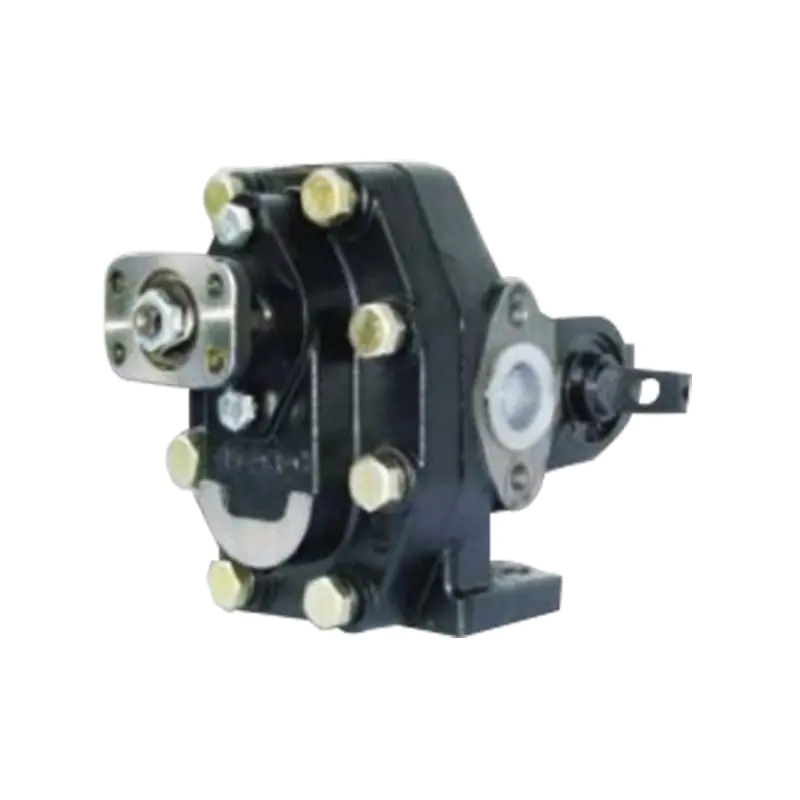
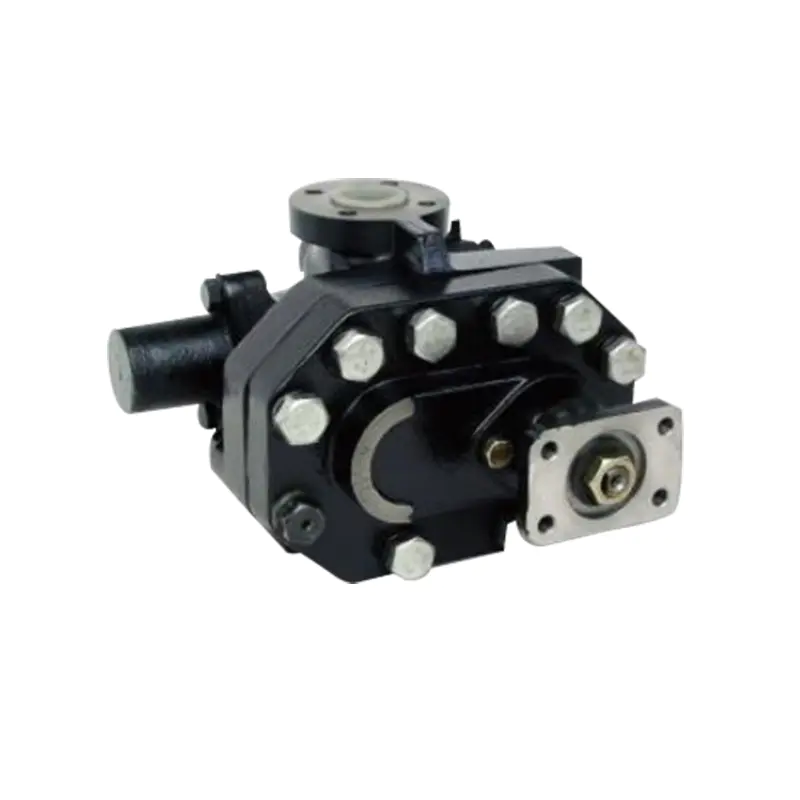
Hydraulic pumps are fundamental components in fluid power systems, converting mechanical energy into hydraulic energy by moving fluid through a system under pressure. Their market popularity is not accidental; it is closely linked to the expanding demand for heavy equipment, industrial automation, infrastructure construction, and agricultural mechanization. By examining technical characteristics, application fields, manufacturing trends, and purchasing considerations, it becomes clear why hydraulic pumps continue to hold a stable and often growing position in global markets.
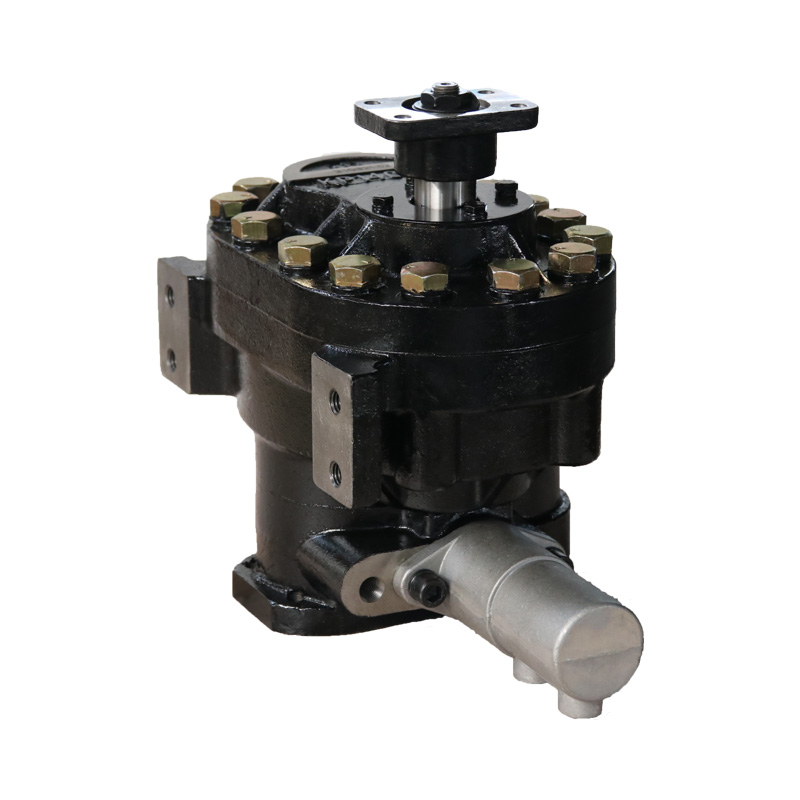
A hydraulic pump operates by creating flow rather than directly generating pressure. Pressure arises from resistance to the flow within a hydraulic system. Industrial hydraulic pumps fall into the category of positive displacement pumps, meaning they move a fixed amount of fluid with each cycle.
Common types include:
Gear pumps, known for simple structure and moderate cost
Vane pumps, often selected for smoother flow and lower noise
Piston pumps, including axial and radial designs, suitable for high-pressure systems
The fundamental advantages that support their market demand include:
Ability to transmit high force through compact components
Stable performance under heavy loads
Compatibility with various hydraulic fluids
Adaptability to continuous or intermittent operation
These features make hydraulic pumps suitable for demanding industrial and mobile equipment environments.
One primary reason hydraulic pumps remain popular is their broad range of applications across multiple sectors. Their role is essential in systems where mechanical force must be precisely controlled or amplified.
Construction and Infrastructure
In construction machinery such as:
Excavators
Loaders
Cranes
Concrete pumps
hydraulic pumps provide the power required to lift, rotate, dig, and transport materials. As urbanization and infrastructure investment continue in many regions, demand for such machinery contributes directly to hydraulic pump sales.
In factory environments, hydraulic systems are used in:
Press machines
Injection molding equipment
Metal forming machinery
Automated production lines
The steady expansion of manufacturing capacity, especially in developing economies, supports continuous demand for reliable hydraulic components.
Agriculture and Forestry
Modern tractors, harvesters, and forestry machines rely on hydraulic systems for steering, lifting, and attachment control. Mechanization trends in agriculture increase reliance on hydraulic pumps that can perform consistently under outdoor and variable operating conditions.
Hydraulic pump technology has evolved to meet stricter performance and efficiency requirements. Manufacturers continue to refine materials, internal design, and control mechanisms.
Recent developments include:
Improved volumetric efficiency to reduce internal leakage
Enhanced sealing materials for longer service life
Integration with electronic control systems
Variable displacement designs for energy savings
Variable displacement piston pumps, for example, allow output flow to adjust according to system demand. This reduces unnecessary energy consumption compared to fixed displacement pumps in certain applications.
In addition, advances in manufacturing processes such as CNC machining and precision grinding improve dimensional accuracy and consistency. These improvements contribute to better reliability and lower lifecycle costs, which are significant purchasing factors for industrial buyers.
Hydraulic pumps are widely used in environments where mechanical stress, vibration, temperature variation, and contamination risks are common. Their market popularity is supported by their durability when properly maintained.
Key durability factors include:
Robust housing materials such as cast iron or forged steel
Hardened internal components
Effective filtration systems to protect against contamination
Thermal resistance in high-temperature applications
Although hydraulic systems require proper maintenance, including fluid monitoring and filter replacement, they are generally considered dependable for long-term industrial service.
Cost-Performance Considerations
From a commercial perspective, hydraulic pumps offer a balanced cost-to-performance ratio. Compared to purely electric mechanical systems in heavy-duty applications, hydraulic systems can deliver:
Higher force density
Flexible power transmission over distance
Simplified mechanical linkages
While initial installation costs may vary depending on system complexity, many industries find hydraulic systems economically reasonable for high-load operations.
Additionally, the availability of standardized models and interchangeable components supports aftermarket replacement and repair. This contributes to stable demand not only for original equipment manufacturing (OEM) but also for maintenance, repair, and overhaul (MRO) markets.
The global hydraulic pump market includes manufacturers from North America, Europe, and Asia. Countries with strong machinery manufacturing sectors often produce both domestic-use and export-oriented hydraulic components.
Market dynamics are influenced by:
Infrastructure investment policies
Industrial automation trends
Commodity price fluctuations
Trade regulations and tariffs
Despite cyclical changes in construction or manufacturing output, hydraulic pumps remain embedded in many essential industries, supporting consistent baseline demand.
Environmental and Energy Efficiency Considerations
Energy efficiency has become an increasingly relevant purchasing factor. Hydraulic systems historically faced criticism for energy loss due to heat generation and leakage. However, newer pump designs and improved control technologies have addressed some of these concerns.
Modern efficiency improvements include:
Load-sensing systems
Pressure compensation mechanisms
Reduced internal friction through optimized geometry
Advanced fluid formulations
Although hydraulic systems may not replace all electric alternatives, they remain competitive in applications where high force output and reliability are priorities.
Another factor supporting hydraulic pump popularity is the extensive aftermarket ecosystem. Many industrial operators prefer equipment with:
Available spare parts
Clear maintenance guidelines
Local technical support
Rebuild or remanufacturing options
Because hydraulic pumps are serviceable rather than disposable components, they generate ongoing demand for parts and maintenance services throughout their lifecycle.
We focus on the research, development, manufacturing and service of various high-pressure and high-displacement gear pumps and related products and copper and woodblock printing machines.
Are You Ready To Cooperate
With Xianju Liming Machinery Co., Ltd. ?
* Your email is safe with us, we don't spam.

Xianju Liming Machinery Co., Ltd. specializes in the production of various high-pressure and high-displacement gear pumps and related products. We also specialize in producing various specifications of copperplate engraving machines, woodblock printing machines and other printmaking art equipment.
Contact Info
+86-13676695112
+86-18868136522
+86-576-87733908
+86-576-87719094
No. 407, Chuancheng North Road, Anzhou Street, Xianju County, Taizhou City, Zhejiang, China.
Mobile web
