 English
 中文简体

+86-13676695112
+86-18868136522
+86-576-87733908
Why does one hydraulic hoist cost considerably more than another with the same lifting capacity? The difference may be hidden in the cylinder, pump, frame construction, or safety equipment. Even the way the machine is assembled can affect its price.
A basic hoist for occasional workshop use has very different requirements from equipment lifting heavy loads throughout a production shift. Looking at the specifications behind the quotation gives a much clearer idea of what you're paying for.
Lifting Capacity and Height
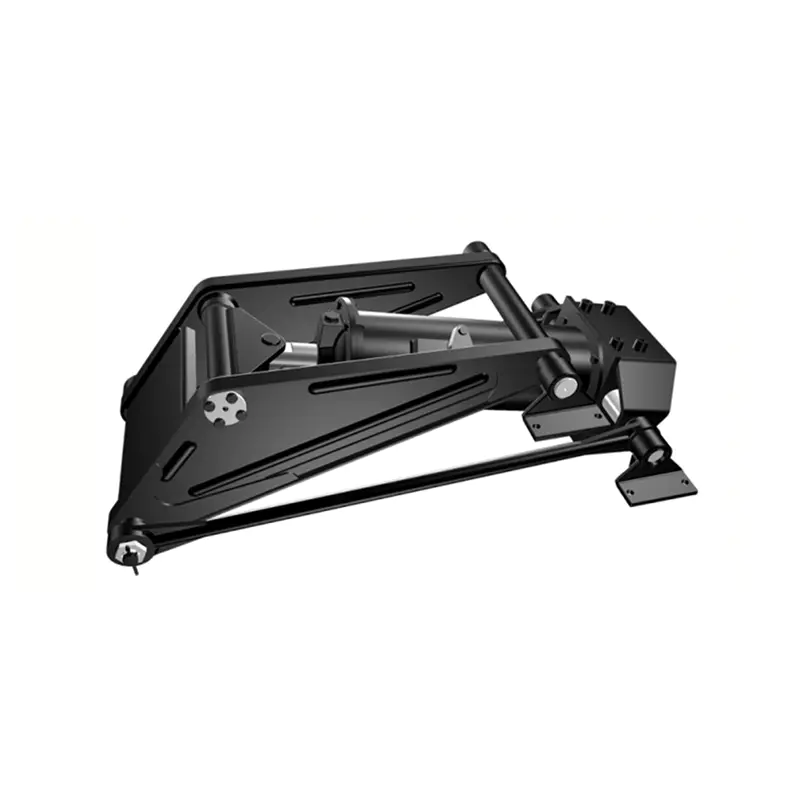
The heavier the load, the more demanding the structure and hydraulic system become. A higher-capacity hoist usually needs larger cylinders, stronger steel sections, and more substantial support structures.
Lifting height adds another cost. Longer travel may require cylinders with greater stroke lengths and changes to the frame design.
There is little value in paying for capacity that will never be used. On the other hand, choosing a model too close to its operating limit can leave insufficient allowance for actual working loads.
The Hydraulic Components Inside
Two hoists can look almost identical but use very different hydraulic components.
The pump determines how hydraulic oil enters the system, while the cylinder converts that pressure into lifting force. Valves control oil flow, and seals keep the system from losing pressure through leakage.
The specifications worth checking include:
Cheaper components may reduce the initial quotation, but leakage, unstable lifting, and frequent repairs can make the equipment expensive to operate. Replacement part availability is worth checking too.
Steel Construction and Fabrication
The frame is responsible for carrying the load, so its design cannot be judged by appearance alone.
Steel grade, plate thickness, reinforcement, and welding all contribute to manufacturing costs. A frame intended for heavy or frequent lifting generally requires a different construction from one used occasionally in a small workshop.
Welding quality deserves particular attention around load-bearing joints. Poor welds and inaccurate assembly can affect structural reliability. Surface treatment also matters, especially when the hoist operates in damp or corrosive environments.
Safety Equipment and Additional Costs
Safety components are part of the equipment specification, not optional decorative extras. Depending on the hoist design, they may include:
Not every model includes the same features. Some manufacturers quote the basic machine separately and charge extra for additional protection. Check the supplied configuration carefully, particularly for equipment used in demanding lifting applications.
Different Hoist Designs Have Different Prices
The intended installation also affects the cost. A fixed workshop hoist has different construction requirements from a mobile unit or a large lifting platform.
| Hoist type | Typical application | Main cost factors |
|---|---|---|
| Fixed hydraulic hoist | Industrial production areas | Frame strength and lifting capacity |
| Mobile hydraulic hoist | Workshops and maintenance facilities | Wheels, support structure, and mobility |
| Hydraulic lifting platform | Warehouses and material handling | Platform dimensions and lifting height |
| Custom hydraulic hoist | Specialized industrial applications | Engineering and non-standard components |
Custom orders can involve changes to platform size, lifting speed, controls, power supply, and mounting arrangements. Modifying an existing model is usually less costly than developing a completely new design.
Testing and Certification
Load testing, hydraulic pressure checks, and structural inspections all require time and resources. These costs are reflected in the manufacturing price.
The documents supplied with the hoist should identify its rated load, operating limits, test results, and applicable conformity requirements. The relevant standards depend on the equipment design and destination market.
Be careful with vague claims such as fully certified or industrial grade. Ask which standard applies and request documentation for the actual model being purchased.
Shipping, Installation, and Spare Parts
A large hydraulic hoist can be expensive to transport, particularly when it requires special packaging or oversized freight arrangements.
Installation may involve unloading equipment, foundation preparation, electrical connections, and commissioning. For international orders, freight, insurance, customs duties, and local handling charges add to the purchase price.
There is another cost that often gets overlooked: maintenance. Ask whether the manufacturer supplies replacement cylinders, seals, pumps, and valves. A machine that is inexpensive to purchase but difficult to repair may not be economical over several years of use.
Comparing Supplier Quotations
A useful comparison starts with identical technical requirements. Check the following details rather than comparing the final figures alone.
| Item | Details to compare |
|---|---|
| Lifting performance | Rated load and maximum height |
| Hydraulic components | Pump, cylinder, valves, and pressure ratings |
| Frame | Steel grade, thickness, and construction |
| Safety devices | Included protection and emergency functions |
| Testing | Load-test and hydraulic inspection records |
| Commercial terms | Warranty, shipping, installation, and spare parts |
Pay attention to what is excluded from the quotation. One supplier may include installation and safety accessories, while another only prices the basic machine.
Understanding the Actual Cost of a Hydraulic Hoist
The price of a Hydraulic Hoist For Sale reflects its construction, hydraulic components, lifting requirements, and supplied safety equipment. A higher quotation isn't necessarily unreasonable, but it should come with identifiable differences in specifications or manufacturing quality.
When comparing models, start with the load and lifting height, then examine the hydraulic system, frame, and included protection. These details will tell you much more about the value of a hoist than its price tag alone.
We focus on the research, development, manufacturing and service of various high-pressure and high-displacement gear pumps and related products and copper and woodblock printing machines.
Are You Ready To Cooperate
With Xianju Liming Machinery Co., Ltd. ?
* Your email is safe with us, we don't spam.

Xianju Liming Machinery Co., Ltd. specializes in the production of various high-pressure and high-displacement gear pumps and related products. We also specialize in producing various specifications of copperplate engraving machines, woodblock printing machines and other printmaking art equipment.
Contact Info
+86-13676695112
+86-18868136522
+86-576-87733908
+86-576-87719094
No. 407, Chuancheng North Road, Anzhou Street, Xianju County, Taizhou City, Zhejiang, China.
Mobile web
