 English
 中文简体

+86-13676695112
+86-18868136522
+86-576-87733908
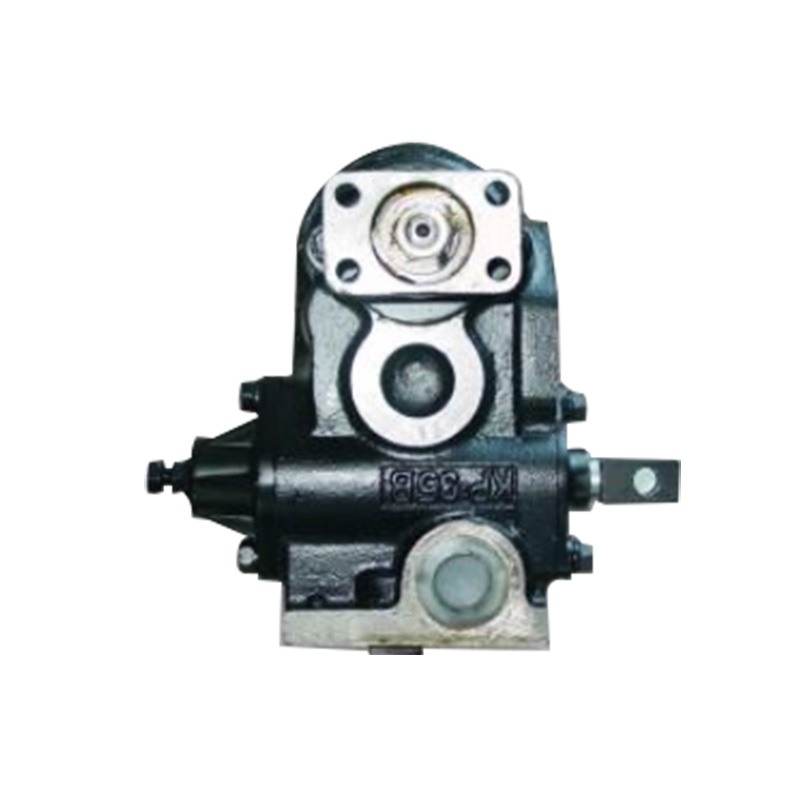
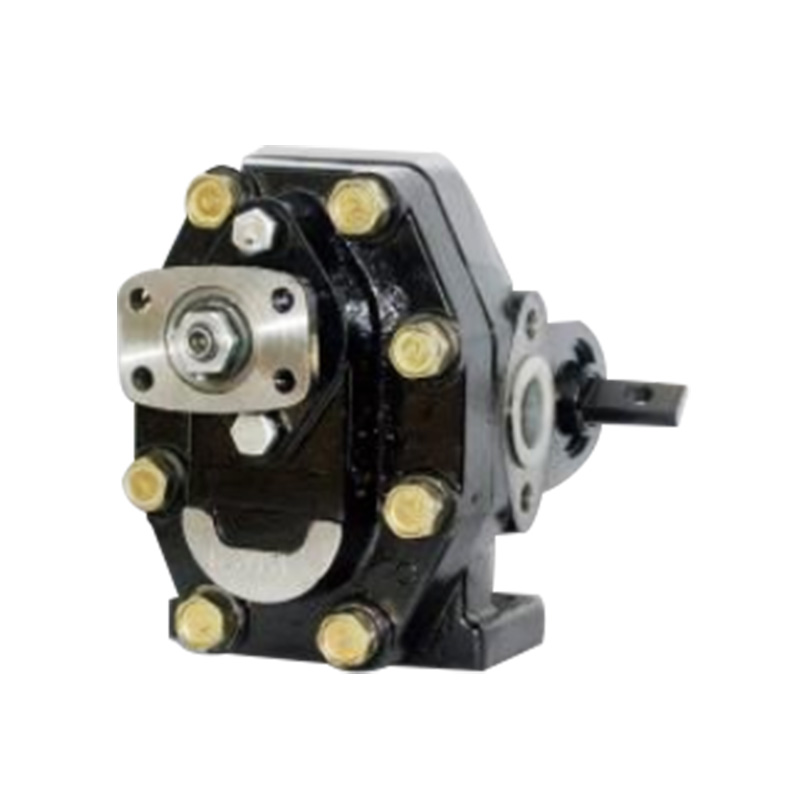
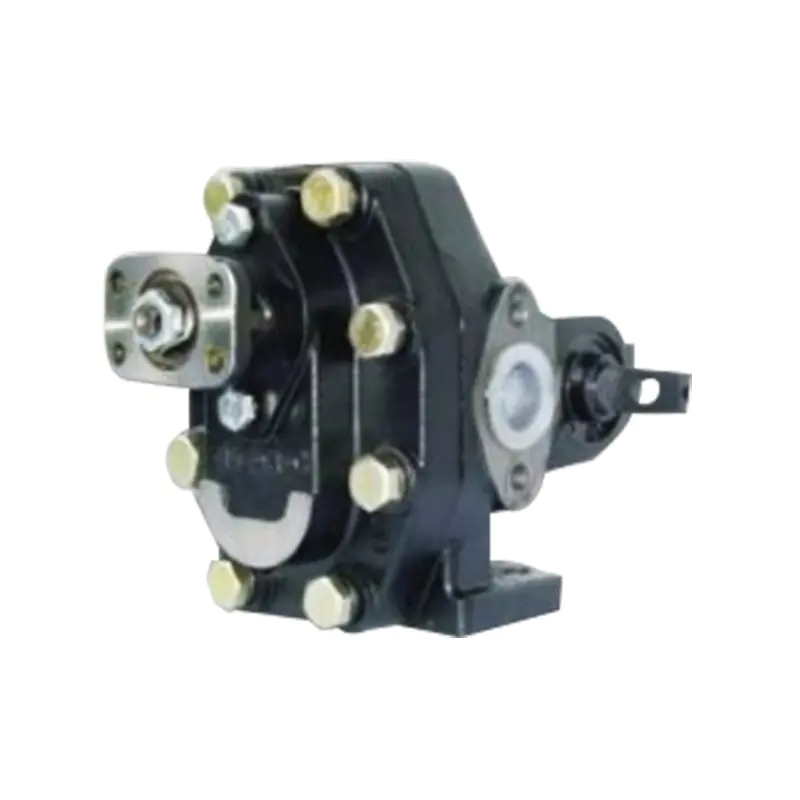
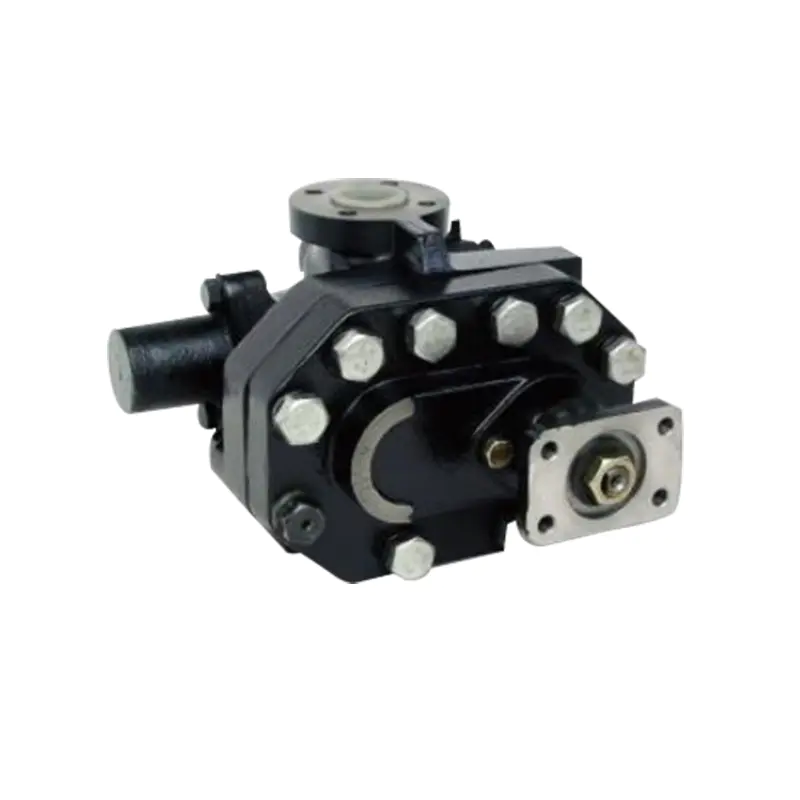
A hydraulic gear pump motor system turns mechanical energy into hydraulic power. It runs industrial machinery, agricultural equipment, construction vehicles, material-handling systems. When noise, cavitation, or pressure loss shows up, things get inefficient. Overheating. Not enough force for the job. These symptoms can come from restricted fluid flow, air contamination, mechanical wear, wrong motor speed, faulty pressure-control components. Problem is, several issues produce similar symptoms. So you have to find the real cause if you want the maintenance to actually work.
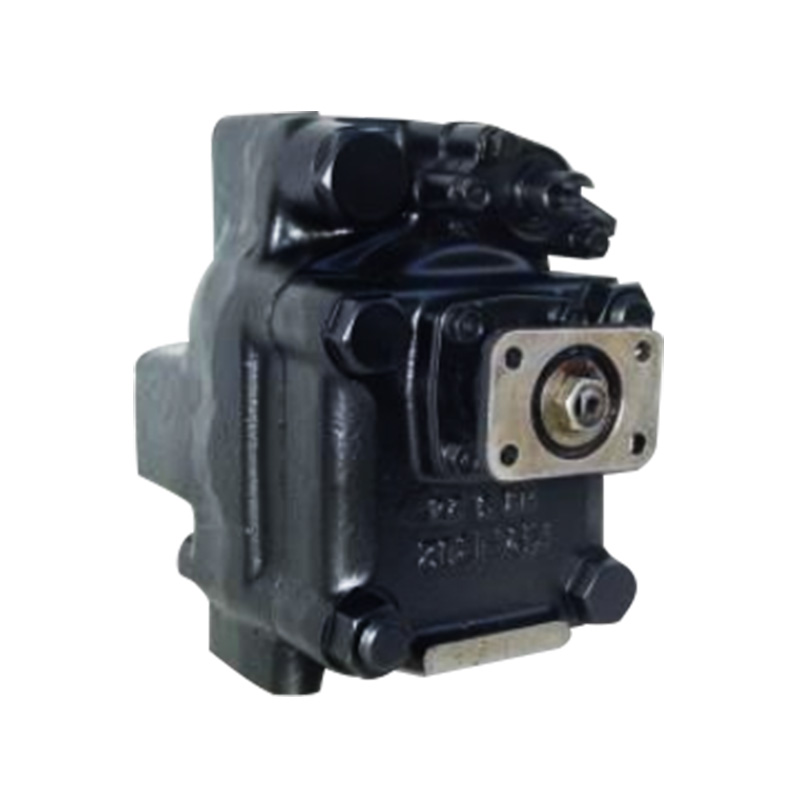
Some operating noise is normal. A sudden increase in sound, rattling, irregular vibration—that's a warning sign. One common cause: not enough fluid at the pump inlet. Blocked suction strainer, undersized inlet pipe, low reservoir level, oil too thick—any of these restrict flow and create abnormal pressure conditions.
Air getting into the circuit also makes noise. Loose suction fittings, damaged seals, bad reservoir return-line arrangements—they introduce air into the fluid. Foaming, inconsistent actuator movement, unstable pressure follow. Mechanical stuff deserves a look too. Worn gears, damaged bearings, loose mounting bolts, motor-pump misalignment—all increase noise and vibration. Compare current sound with normal operating condition. Investigate sudden changes before continued operation causes more damage.
Cavitation happens when local pressure drops enough for vapor cavities to form in the fluid. Those cavities hit higher-pressure regions, collapse, and generate noise, vibration, localized surface damage. In a gear pump, cavitation usually develops when the inlet circuit can't supply enough fluid to meet the pump's displacement requirements. Typical causes:
Cavitation and aeration aren't the same thing. Cavitation involves vapor cavities from low local pressure. Aeration is external air entering the fluid or getting entrained. Both cause abnormal noise and unstable operation, but the fixes differ.
Pressure loss can come from insufficient pump flow, internal leakage, wrong relief-valve settings, excessive demand from the circuit. As a gear pump wears, clearances between gears and housing surfaces increase. More fluid leaks internally from high-pressure to lower-pressure areas. Less flow available to operate cylinders or hydraulic motors.
The relief valve is another checkpoint. If it opens below specified pressure, sticks partially open, or is adjusted wrong, fluid diverts back to the reservoir before the system reaches working pressure. Drive problems affect performance too. Wrong motor speed, coupling slippage, electrical supply issues, unsuitable motor-pump combo—pump won't deliver specified output.
| Symptom | Possible Cause | Recommended Inspection |
|---|---|---|
| Rattling or crackling near the inlet | Cavitation or air ingestion | Check inlet restrictions, fluid level, and suction connections |
| Foamy hydraulic oil | Air contamination or return-line turbulence | Inspect suction joints and reservoir plumbing |
| Pressure drops under load | Internal leakage or relief-valve bypass | Measure output flow and verify valve settings |
| Excessive vibration | Misalignment, worn bearings, or loose mounting | Inspect the coupling, bearings, and mounting hardware |
| Slow actuator movement | Insufficient flow, low motor speed, or leakage | Verify motor speed and measure hydraulic flow |
| Overheating with poor performance | Excessive losses, bypass flow, or unsuitable oil viscosity | Check fluid condition, operating temperature, and valve operation |
These symptoms are clues. None confirms a single fault by itself.
Start by recording operating conditions. Check specified hydraulic fluid, oil temperature, motor speed, working pressure, load, maintenance history. Compare with manufacturer documentation. First, inspect reservoir level and fluid condition. Foaming, visible contamination, discoloration, unusual odor—investigate further. Examine inlet plumbing, connections, strainers for restrictions or air leakage. Next, verify the drive system. Motor at correct speed and direction? Coupling and mounting arrangement loose or misaligned?
Pressure and flow measurements help locate performance problems. Use suitable instruments at designated test points. Compare readings under consistent conditions. Pressure low? Figure out whether the pump can't deliver enough flow, the relief valve is bypassing, or the system has excessive internal leakage. Hydraulic systems can hold dangerous pressure after shutdown. Never loosen a pressurized connection. Never use your hand to find a leak. Follow isolation and depressurization procedures.
A structured program prevents many common problems. Replace filters on schedule. Use recommended fluid grade. Maintain correct reservoir level. Inspect suction hoses and fittings regularly—especially after maintenance or component replacement. Make sure inlet piping is sized right and the pump runs within rated speed and inlet-pressure limits. Monitor pressure, flow, temperature, operating noise over time. Recording normal values gives you a baseline. Spot gradual deterioration before it stops production.
Symptoms persist? A qualified technician may need to check gear clearances, bearings, shafts, housing surfaces. Repair or replace based on measured wear and manufacturer limits.
Noise, cavitation, pressure loss usually point to fluid supply, air contamination, mechanical wear, or pressure-control issues. Systematic inspection and accurate measurements separate these causes. Prevents unnecessary component replacement. Keep hydraulic fluid clean. Ensure sufficient inlet flow. Verify motor operation. Monitor pressure and temperature. That's how operators reduce premature wear and improve reliability. Respond to early warning signs and you protect the hydraulic gear pump motor assembly—and avoid unplanned downtime.
We focus on the research, development, manufacturing and service of various high-pressure and high-displacement gear pumps and related products and copper and woodblock printing machines.
Are You Ready To Cooperate
With Xianju Liming Machinery Co., Ltd. ?
* Your email is safe with us, we don't spam.

Xianju Liming Machinery Co., Ltd. specializes in the production of various high-pressure and high-displacement gear pumps and related products. We also specialize in producing various specifications of copperplate engraving machines, woodblock printing machines and other printmaking art equipment.
Contact Info
+86-13676695112
+86-18868136522
+86-576-87733908
+86-576-87719094
No. 407, Chuancheng North Road, Anzhou Street, Xianju County, Taizhou City, Zhejiang, China.
Mobile web
