 English
 中文简体

+86-13676695112
+86-18868136522
+86-576-87733908
A printmaking press isn't cheap. Artists, studios, schools, and commercial shops all depend on it. Consistent pressure, accurate alignment, and smooth movement are essential for producing quality impressions. However, ink residue, dust, friction, moisture, and repeated mechanical stress can accumulate over time. Neglecting maintenance can lead to uneven prints, worn rollers, rust, and costly repairs. A preventive maintenance plan protects critical components, maintains print quality, and extends the machine's service life.
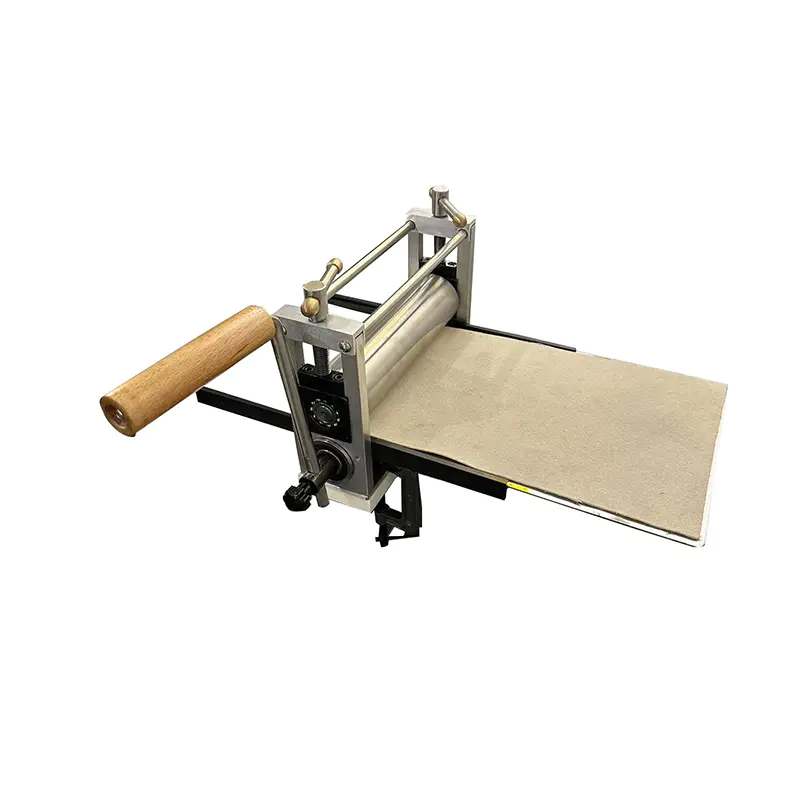
A printmaking press contains rollers, bearings, pressure adjustment mechanisms, a frame, and a drive system. Some models also include gears, belts, and an electric motor. Every component plays an important role in the machine's performance.
Regular maintenance helps identify wear before it develops into a serious problem. A loose fastener may initially cause only minor vibration, while a damaged roller can gradually affect the quality of every print. Preventive maintenance also reduces unexpected downtime. Replacing a worn component at the right time can help protect surrounding parts from additional damage.
For busy studios and commercial workshops, a consistent inspection schedule makes servicing easier to plan and helps keep equipment available when needed.
Different components require different maintenance procedures. Always consult the manufacturer's manual before applying lubricants, adjusting pressure, or using cleaning products.
| Component | Recommended Maintenance | Main Benefit |
|---|---|---|
| Rollers | Clean approved surfaces and inspect for cracks or uneven wear. | Maintains consistent pressure. |
| Bearings and shafts | Check movement and lubricate designated points when required. | Reduces friction and premature wear. |
| Pressure adjustment mechanism | Inspect controls and verify adjustment consistency. | Supports uniform impressions. |
| Gears and drive system | Check for unusual noise, looseness, or resistance. | Helps identify developing mechanical faults. |
| Frame and fasteners | Check stability, mounting points, and visible damage. | Maintains structural integrity. |
| Exposed metal surfaces | Remove moisture and inspect for corrosion. | Protects components against deterioration. |
Not every machine is designed the same way. Some bearings are sealed and do not require lubrication, while certain roller materials can be damaged by solvents. Following the machine-specific maintenance instructions helps prevent unnecessary damage.
Clean the press after every printing session. This simple habit can significantly reduce long-term wear and help maintain print quality.
Ink residue, paper fibers, and dust can accumulate around rollers, the printing bed, and moving components. These contaminants can interfere with operation or transfer unwanted marks onto plates and paper. If residue remains for too long, it may become difficult to remove and make component inspections more challenging.
Use manufacturer-approved cleaning products and a soft, lint-free cloth. Avoid abrasive materials that can damage precision surfaces or alter roller texture.
During cleaning, inspect rollers for:
Worn rollers can produce inconsistent pressure across the printing bed. If a roller is badly worn, consult the manufacturer or a qualified technician to determine whether repair or replacement is necessary.
Keep the area around the press clean as well. Reducing airborne dust and debris helps prevent contaminants from entering the machine's mechanism.
Moving components generate friction. Where lubrication is specified, using the correct oil or grease helps reduce wear and maintain smooth operation. However, excessive lubricant can attract dust, and applying the wrong lubricant to a component designed to run dry can cause problems.
Always follow the manufacturer's instructions regarding lubricant type, quantity, application points, and maintenance intervals.
During mechanical inspections, pay attention to:
Bearing deterioration, misalignment, loose fasteners, and drive-system faults often produce warning signs before a major failure occurs.
For motorized presses, disconnect the power supply before inspecting moving parts. Internal repairs, electrical work, and complex alignment procedures should be handled by qualified personnel.
Consistent pressure is essential for producing clear, uniform prints. Incorrect adjustments, uneven roller alignment, and component wear can all affect ink transfer and image definition.
Check pressure and alignment according to the manufacturer's procedures. Use the specified reference points and measurement methods when available. Avoid making major adjustments without understanding how they may affect the rest of the mechanism.
If prints become inconsistent, investigate the most common causes first:
If these factors do not explain the problem, inspect the machine for mechanical wear or consult a qualified technician.
Keep records of pressure settings and alignment adjustments that produce satisfactory results. These records help operators reproduce successful settings and identify gradual changes in performance.
Maintenance frequency depends on the machine's design, usage intensity, operating environment, and manufacturer recommendations. A press used daily in a shared studio generally requires more frequent inspection than one used occasionally in a private workshop.
| Maintenance Interval | Suggested Tasks |
|---|---|
| After each session | Remove ink residue, clean accessible surfaces, and check for visible damage. |
| Weekly or after frequent use | Inspect rollers, moving parts, and pressure controls. |
| Monthly | Check fasteners, frame stability, drive components, and alignment indicators. |
| At specified service intervals | Complete required lubrication, detailed inspections, and professional servicing. |
| Whenever performance changes | Investigate unusual noise, vibration, resistance, or inconsistent impressions. |
These intervals are general guidelines rather than universal requirements. Always prioritize the manufacturer's recommended maintenance schedule.
Record inspections, replaced parts, adjustments, and recurring problems. These maintenance records help studio managers identify patterns, plan repairs, and prevent minor issues from causing extended equipment downtime.
Proper storage is an important part of press maintenance. Moisture can cause exposed metal surfaces to rust, while dust can accumulate around moving components.
When the press is not in use, keep it in a clean, dry, and well-ventilated area. Remove printing materials and residue, protect the machine from damp conditions, and avoid locations where it may be exposed to accidental impacts.
If you use a protective cover, follow the manufacturer's recommendations. Some covers can trap condensation if they are unsuitable for the storage environment.
For presses used seasonally, perform an inspection before returning the machine to service. Check for:
Address any problems before resuming normal printing operations.
Extending the service life of a printmaking press requires more than occasional cleaning. Roller inspections, proper lubrication, mechanical checks, pressure verification, and appropriate storage all contribute to reliable operation.
Follow the manufacturer's instructions and maintain accurate service records. These practices help artists, studio operators, schools, and workshop managers reduce preventable wear, maintain consistent print quality, and identify problems before repair costs increase.
A well-maintained printmaking press is better equipped to deliver consistent impressions and dependable performance for years to come.
We focus on the research, development, manufacturing and service of various high-pressure and high-displacement gear pumps and related products and copper and woodblock printing machines.
Are You Ready To Cooperate
With Xianju Liming Machinery Co., Ltd. ?
* Your email is safe with us, we don't spam.

Xianju Liming Machinery Co., Ltd. specializes in the production of various high-pressure and high-displacement gear pumps and related products. We also specialize in producing various specifications of copperplate engraving machines, woodblock printing machines and other printmaking art equipment.
Contact Info
+86-13676695112
+86-18868136522
+86-576-87733908
+86-576-87719094
No. 407, Chuancheng North Road, Anzhou Street, Xianju County, Taizhou City, Zhejiang, China.
Mobile web
