 English
 中文简体
中文简体

+86-13676695112
+86-18868136522
+86-576-87733908
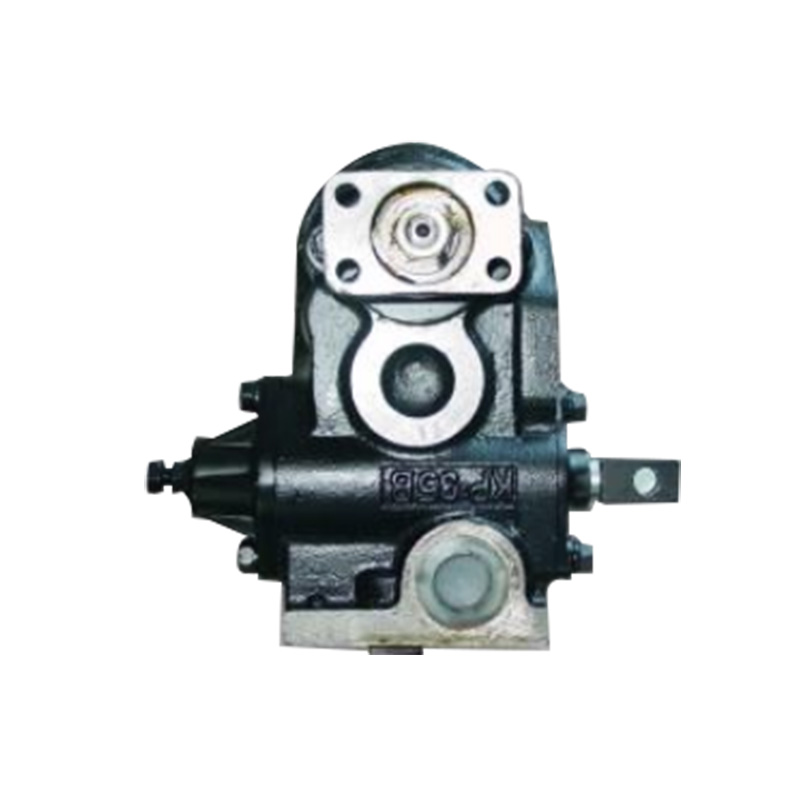
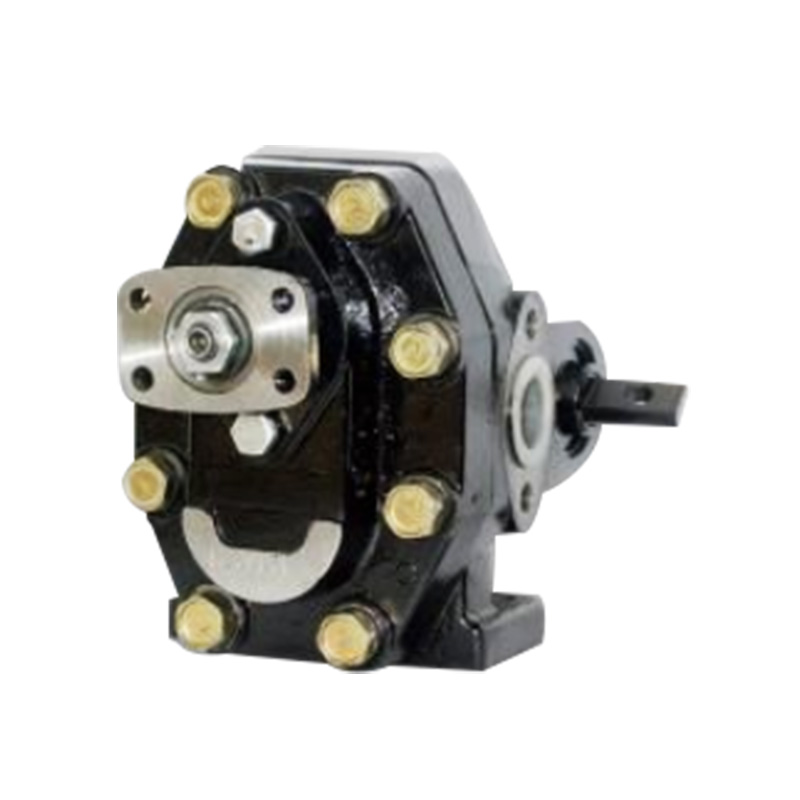
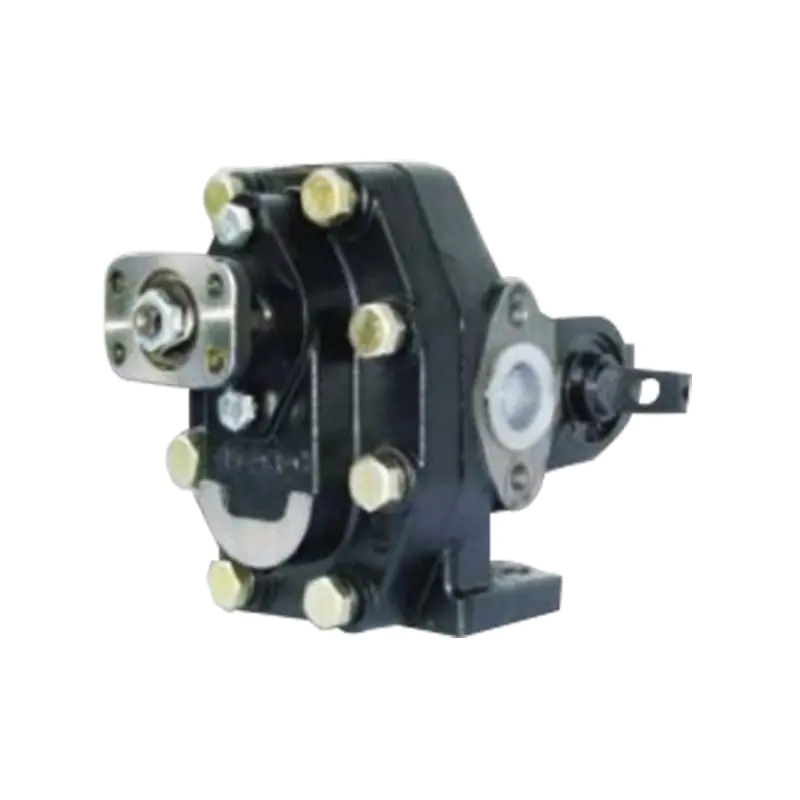
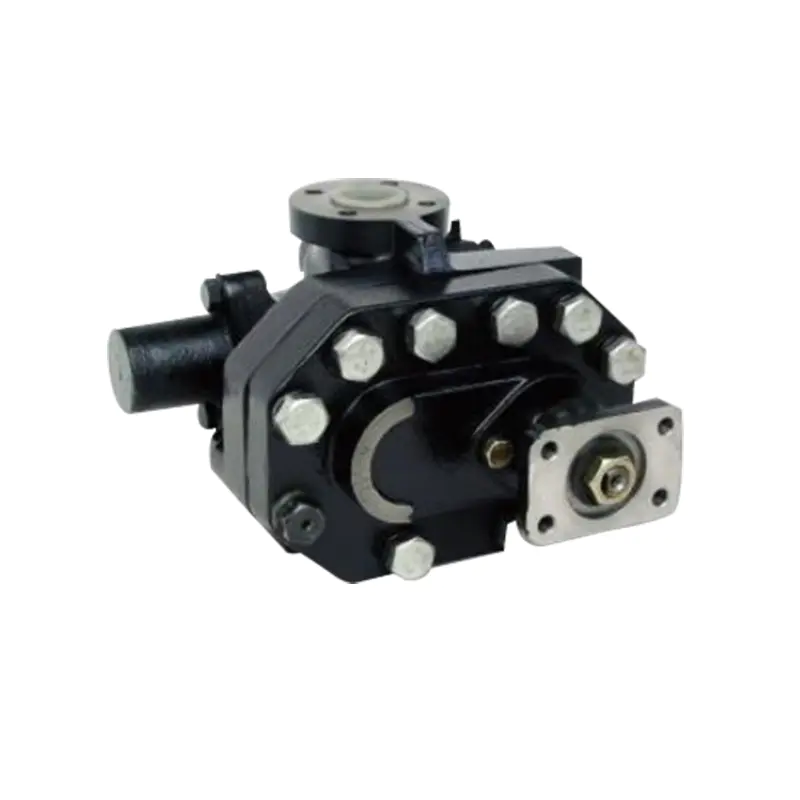
When evaluating a KP gear pump for a potential application, understanding its standard operating envelope and physical characteristics is essential. These specifications determine whether the pump is suitable for a given hydraulic system.
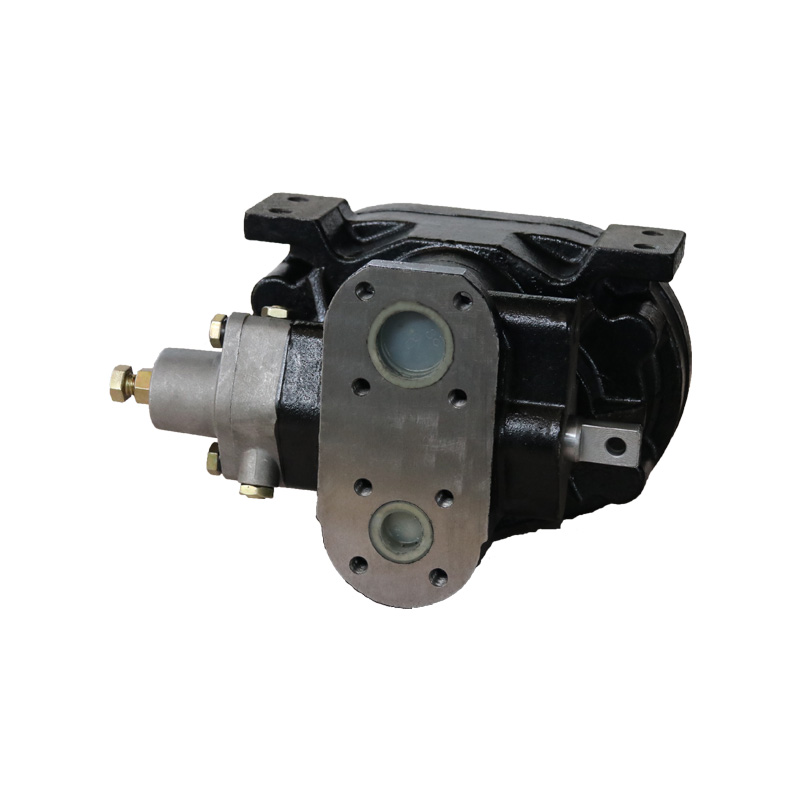
Displacement Range: KP pumps are typically available in a range of displacements, commonly from approximately 0.5 cubic inches per revolution (about 8 cc/rev) up to around 2.5 cubic inches per revolution (approximately 40 cc/rev). This range covers a variety of flow requirements for medium-duty circuits.
Pressure Ratings: Continuous operating pressure ratings for KP series pumps generally fall within a range of 2,500 to 3,000 psi (170 to 207 bar). Intermittent pressures may be higher, but continuous operation at rated pressure depends on factors such as fluid viscosity and operating temperature.
Speed Range: These pumps are designed to operate within a specific rotational speed window. Minimum speeds are typically around 500 to 600 rpm to maintain proper lubrication and efficiency, while speeds can reach 3,000 to 3,500 rpm, depending on the displacement and inlet conditions.
Mounting and Shaft Configurations: Standard configurations often include SAE A or SAE B two-bolt mounting flanges. Shaft ends are commonly available in straight keyed or splined profiles to accommodate various prime mover connections.
Selecting the appropriate pump requires matching the pump's capabilities to the system's demands. Several factors must be considered to ensure proper operation and longevity.
Fluid Compatibility and Viscosity
The hydraulic fluid must be compatible with the pump's internal materials. KP pumps are generally designed for mineral-based hydraulic oils. The fluid viscosity at operating temperature should fall within the pump's recommended range, typically between 13 and 200 centistokes (cSt). Operating with fluid that is too thick can bring about cavitation, while fluid that is too thin may result in excessive internal leakage and reduced efficiency. For fire-resistant or synthetic fluids, consulting the manufacturer's specific recommendations is necessary, as seal materials may require upgrading.
Determining Required Flow and Pressure
The pump size is determined by the required actuator speed and the system's pressure needs. Flow rate is a function of pump displacement and drive speed. The formula is approximately: Flow (GPM) = (Displacement (cu in/rev) × Speed (rpm)) / 231. The pump must also be capable of delivering the pressure required by the system, with a safety margin below its continuous pressure rating. If the system requires pressure above the pump's rating, a different series or a larger pump would be necessary.
Installation Considerations
Proper installation affects pump life. The pump should be mounted with minimal shaft misalignment, typically within 0.003 to 0.005 inches total indicator reading (TIR). The inlet line should be sized adequately to prevent restrictions, and a pressure of at least 0.8 bar absolute should be maintained at the pump inlet during operation to avoid cavitation.
Even well-designed pumps can fail prematurely if operating conditions are not maintained. Understanding common failure modes helps in troubleshooting and prevention.
Contamination: This is the frequent cause of premature pump failure. Particulate contamination in the fluid causes abrasive wear on gear journals, bushings, and housing bores. This bring about increased internal leakage and reduced volumetric efficiency. Regular oil analysis and maintaining clean fluid through proper filtration (typically 10 to 25 micron filters) are essential preventive measures.
Cavitation: Cavitation occurs when the pump does not receive an adequate supply of fluid. This can be caused by a restricted inlet line, clogged suction strainer, fluid that is too viscous, or operating the pump at too high a speed. Cavitation produces a characteristic rattling noise and causes erosion damage to the gear teeth and housing surfaces. Correcting inlet conditions and ensuring proper fluid viscosity are the primary remedies.
Fluid Degradation: Hydraulic fluid that has broken down due to excessive heat or oxidation loses its lubricating properties and can form sludge and varnish. This compromises the lubricating film between moving parts and can clog internal clearances. Maintaining fluid within the recommended temperature range, typically below 80°C (180°F), is critical.
Overpressure Operation: Consistently operating the pump at pressures exceeding its rating can cause mechanical stress, bring about shaft fatigue or housing distortion. Installing a properly set pressure relief valve in the system protects the pump from overpressure events.
Routine maintenance focuses on the system as a whole, as the pump itself is often a sealed unit requiring minimal direct service.
The primary maintenance task is maintaining the hydraulic fluid in condition. This includes regular checks of fluid level and visual inspection for cloudiness or discoloration, which may indicate water contamination or thermal breakdown. Fluid and filter changes should be performed at intervals recommended by the machine manufacturer or based on the results of periodic oil analysis.
If a pump must be replaced, the root cause of the original pump's failure should be identified and corrected. Simply installing a new pump without addressing underlying issues like contamination or cavitation will likely result in a repeat failure. During installation, the new pump should be filled with clean fluid before startup, and the system should be operated at low pressure initially to circulate fluid and purge any trapped air.
We focus on the research, development, manufacturing and service of various high-pressure and high-displacement gear pumps and related products and copper and woodblock printing machines.
Are You Ready To Cooperate
With Xianju Liming Machinery Co., Ltd. ?
* Your email is safe with us, we don't spam.

Xianju Liming Machinery Co., Ltd. specializes in the production of various high-pressure and high-displacement gear pumps and related products. We also specialize in producing various specifications of copperplate engraving machines, woodblock printing machines and other printmaking art equipment.
Contact Info
+86-13676695112
+86-18868136522
+86-576-87733908
+86-576-87719094
No. 407, Chuancheng North Road, Anzhou Street, Xianju County, Taizhou City, Zhejiang, China.
Mobile web
