 English
 中文简体
中文简体

+86-13676695112
+86-18868136522
+86-576-87733908
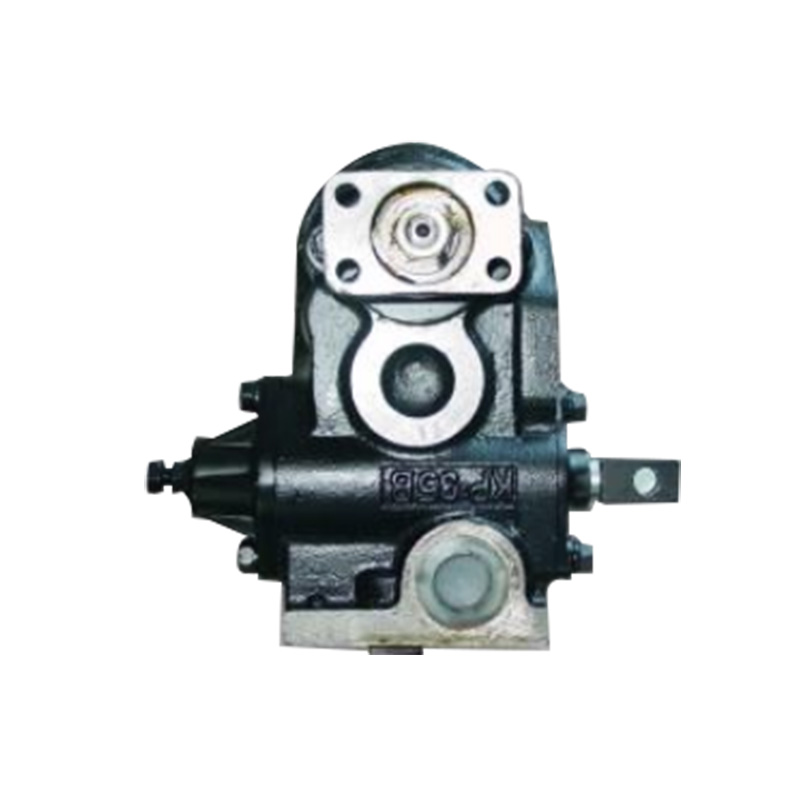
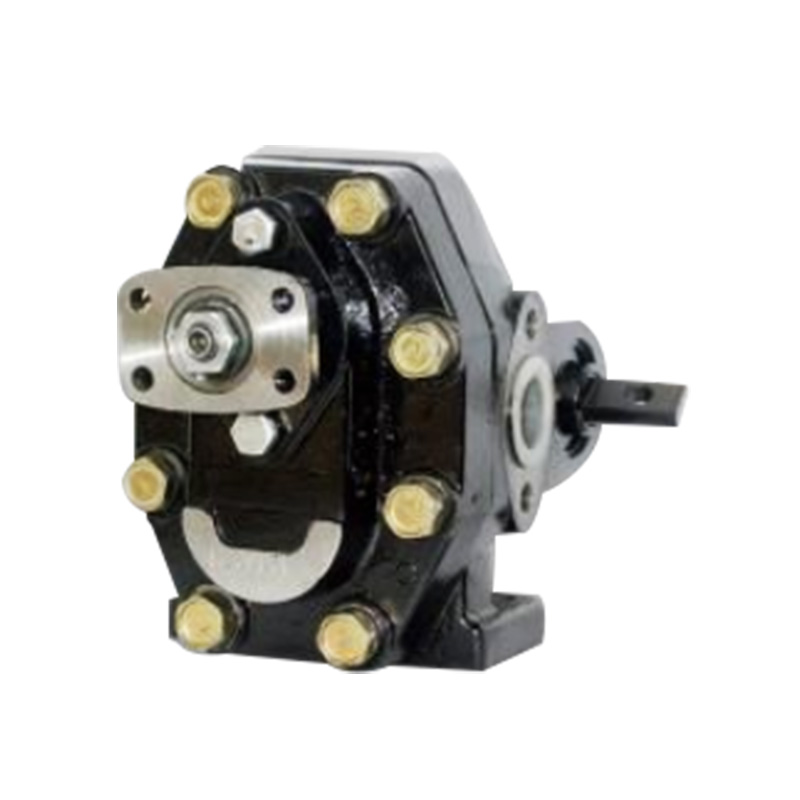
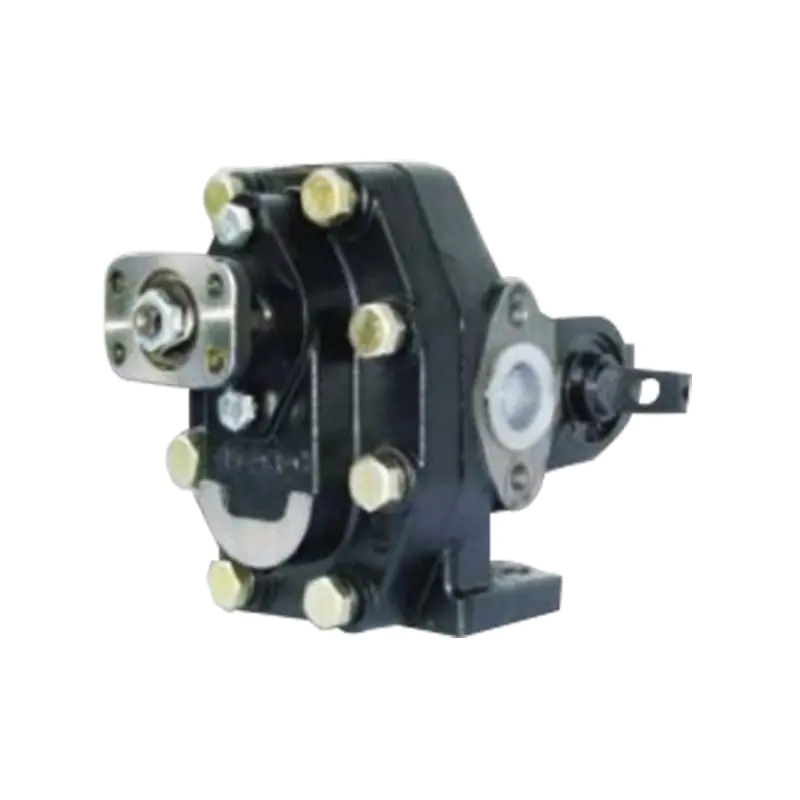
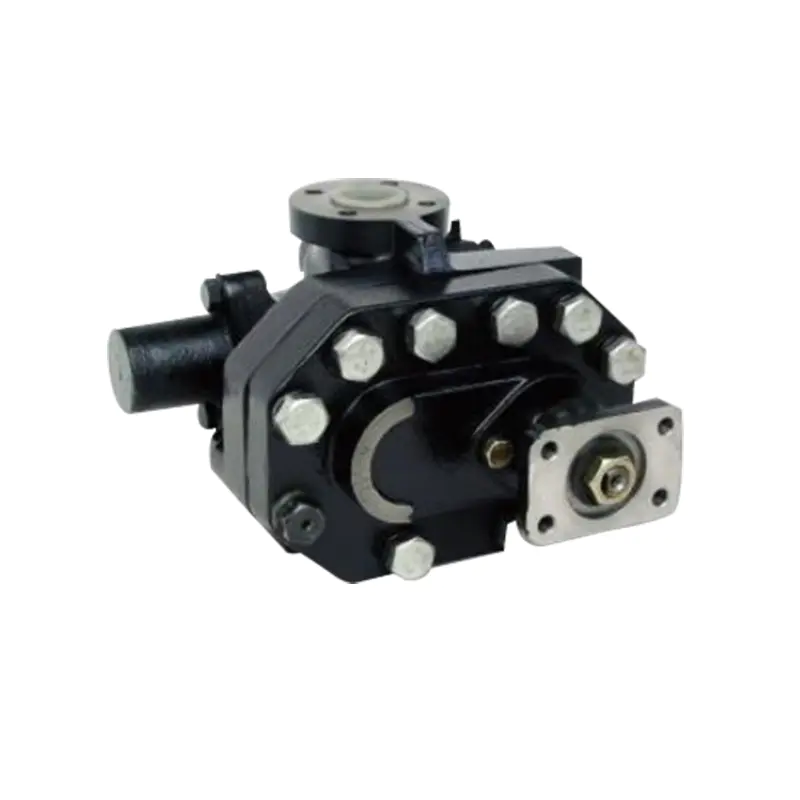
The KPA-1302 gear pump belongs to the external gear pump family, characterized by two meshing gears—a driving gear and an idler gear—housed within a precision-machined casing. This pump configuration is widely used in hydraulic systems requiring reliable flow delivery at pressures up to 210 bar (3,000 psi), with the KPA-1302 specifically designed for medium-duty applications in industrial machinery, material handling equipment, and agricultural implements.
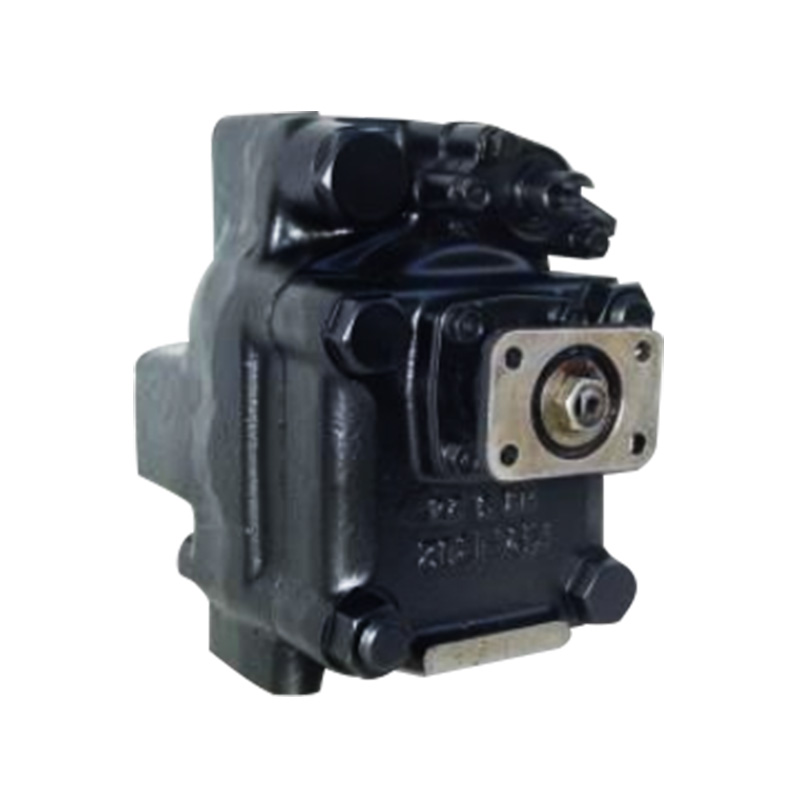
The operating principle of the KPA-1302 relies on the displacement of fluid by the rotating gears. As the gears rotate away from each other on the inlet side, they create expanding cavities that draw hydraulic fluid into the pump through the inlet port. The fluid is carried around the outer circumference of the gear cavities, trapped between the gear teeth and the pump housing. When the gears mesh on the outlet side, the volume between teeth decreases, forcing fluid out through the outlet port under pressure. This positive displacement design means that the pump delivers a consistent volume of fluid per revolution, with flow rate proportional to rotational speed.
The pump body is typically constructed from high-grade cast iron or aluminum alloy, depending on the specific variant. Cast iron housings offer rigidity and damping characteristics, reducing noise transmission and maintaining dimensional stability under thermal cycling. Aluminum housings, used in applications where weight reduction is prioritized, incorporate steel or cast iron liners in the gear bore area to provide adequate wear resistance. The KPA-1302's housing is designed with integral mounting feet or flange mounting provisions, allowing direct attachment to prime movers such as electric motors or internal combustion engines.
Hydraulic Performance Characteristics
The KPA-1302 gear pump delivers specific hydraulic performance parameters that determine its suitability for various applications. Displacement, pressure capability, speed range, and flow characteristics form the core performance metrics that system designers evaluate when incorporating this pump into hydraulic circuits.
Displacement and flow output
The nominal displacement of the KPA-1302 is 13 cm³/rev (0.79 in³/rev). At a rated speed of 1,500 revolutions per minute, the theoretical flow output is 19.5 liters per minute (5.15 gallons per minute). Actual flow output is reduced by volumetric efficiency losses, which vary with pressure, fluid viscosity, and operating temperature. At typical operating conditions—50°C fluid temperature and ISO VG 46 hydraulic oil—the actual flow at 150 bar (2,175 psi) is approximately 18 liters per minute. The pump can operate at speeds ranging from 600 to 2,500 RPM, with flow output scaling linearly with rotational speed within this range.
Pressure capabilities
The KPA-1302 is rated for continuous operation at 175 bar (2,500 psi) with standard construction, and intermittent operation up to 210 bar (3,000 psi) for peak loads. The pump's pressure capability is limited by the structural integrity of the housing and the bearings that support the gear shafts. The shaft bearings—typically needle roller or journal bearings depending on the variant—are sized to withstand the radial loads generated by the pressure differential across the gears. The pump's pressure rating is specified with a safety factor that accounts for pressure spikes common in hydraulic systems; sustained operation above the continuous rating reduces bearing life and accelerates wear on the gear teeth and housing bore.
Material Selection and Wear Characteristics
The durability of the KPA-1302 gear pump depends on the materials selected for its critical components and the wear characteristics of these materials under operating conditions. The pump is designed for service lives of 8,000 to 12,000 hours under normal operating conditions, though actual life varies with fluid cleanliness, operating pressure, and duty cycle.
Gear materials and heat treatment
The gears are manufactured from case-hardened steel, typically AISI 8620 or similar alloy, with a carburized surface achieving 58 to 62 HRC hardness. The gear teeth are precision ground after heat treatment to achieve the required surface finish and profile accuracy. The combination of a hard, wear-resistant surface and a tough core provides resistance to both abrasive wear and fatigue failure. The gear tips are radiused to maintain consistent clearance with the housing bore, and the gear faces are lapped to achieve the flatness required for efficient sealing against the side plates.
Housing and bushing materials
The pump housing, typically cast iron (ASTM A48 Class 30 or equivalent), provides the gear bore and fluid passages. In variants with aluminum housings, the gear bore is fitted with steel or cast iron liners to provide the necessary wear resistance. The bushings that support the gear shafts are pressure-balanced designs that allow fluid pressure to load the bushings against the gear faces, maintaining axial clearances while accommodating shaft deflection under load. These bushings are manufactured from sintered bronze or aluminum-bronze alloys with lead or graphite impregnation to provide boundary lubrication during startup and under low-speed conditions.
Wear mechanisms and failure modes
The KPA-1302 experiences wear through several mechanisms:
Abrasive wear: Particles suspended in the hydraulic fluid act as abrasives, wearing gear teeth, bushing surfaces, and housing bores. Particles larger than the internal clearances cause accelerated wear; particles that are smaller than clearances may embed in softer materials and continue to cause wear over time. Maintaining fluid cleanliness to ISO 4406 18/15 or better is essential for controlling abrasive wear.
Erosive wear: High-velocity fluid flow through the inlet and outlet passages can erode soft materials, particularly if cavitation occurs. Cavitation damage appears as pitting on gear teeth and housing surfaces, resulting from the collapse of vapor bubbles formed when pressure drops below fluid vapor pressure.
Fatigue wear: Cyclic loading of gear teeth and shaft bearings can lead to surface fatigue, manifesting as spalling or pitting. This failure mode becomes more prevalent as operating pressures increase and as the number of pressure cycles accumulates over the pump's service life.
Adhesive wear: At startup or under conditions of inadequate lubrication, metal-to-metal contact between moving parts can cause galling and material transfer. This is common in the bushing-to-gear face interface and the gear tip-to-housing interface.
Installation, Operation, and Maintenance Requirements
Proper installation, operation, and maintenance of the KPA-1302 gear pump are essential to achieving its designed service life and performance. Systematic attention to mounting practices, inlet conditions, fluid management, and operational monitoring prevents premature failure and ensures reliable operation.
Installation requirements
Mounting and alignment: The pump must be mounted securely to a rigid base or directly to the prime mover using the provided mounting feet or flange. When connected via flexible coupling, shaft alignment must be within 0.10 to 0.15 millimeters total indicator reading (TIR) to prevent excessive bearing loads. Rigid piping connected to the pump ports must be supported independently; imposing external loads on the pump housing can cause distortion and internal binding.
Inlet configuration: The inlet line must be sized to maintain fluid velocity below 0.5 to 1.0 meters per second, depending on the installation. A flooded inlet (with the pump mounted below the reservoir fluid level) is preferred; if the pump must be mounted above the reservoir, inlet line length should be minimized and inlet lifts should not exceed 0.5 meters. Inlet strainers should be coarse (100 to 150 mesh) to prevent cavitation from excessive restriction.
Fluid filling: Before initial startup, the pump housing must be filled with hydraulic fluid. Running the pump dry—even for a few seconds—can cause immediate damage to the bushings and gear faces. Rotating the pump shaft manually several revolutions after filling ensures that fluid has distributed through internal passages.
We focus on the research, development, manufacturing and service of various high-pressure and high-displacement gear pumps and related products and copper and woodblock printing machines.
Are You Ready To Cooperate
With Xianju Liming Machinery Co., Ltd. ?
* Your email is safe with us, we don't spam.

Xianju Liming Machinery Co., Ltd. specializes in the production of various high-pressure and high-displacement gear pumps and related products. We also specialize in producing various specifications of copperplate engraving machines, woodblock printing machines and other printmaking art equipment.
Contact Info
+86-13676695112
+86-18868136522
+86-576-87733908
+86-576-87719094
No. 407, Chuancheng North Road, Anzhou Street, Xianju County, Taizhou City, Zhejiang, China.
Mobile web
