 English
 中文简体
中文简体

+86-13676695112
+86-18868136522
+86-576-87733908
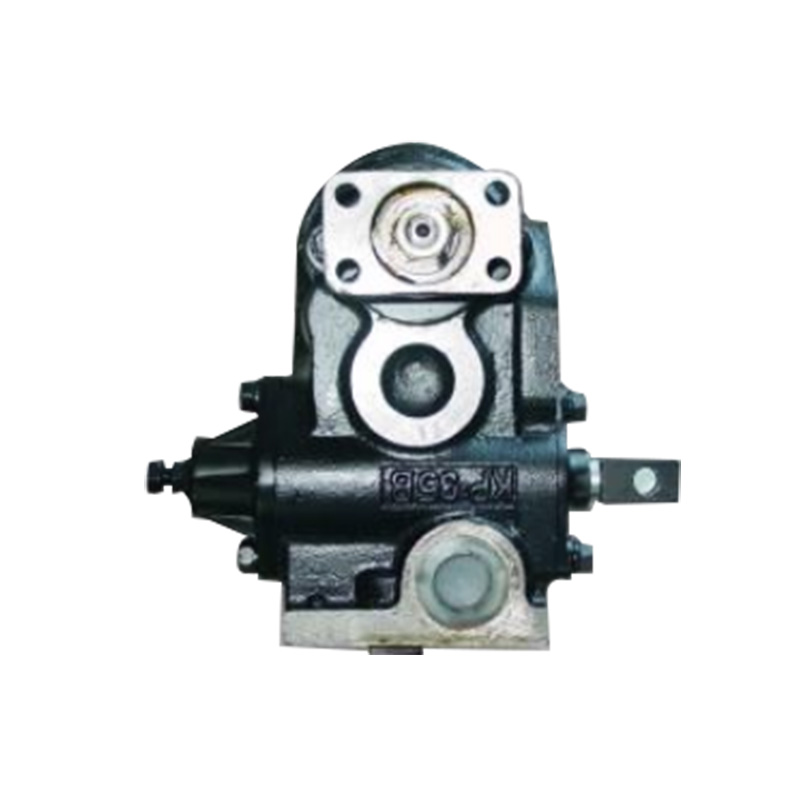
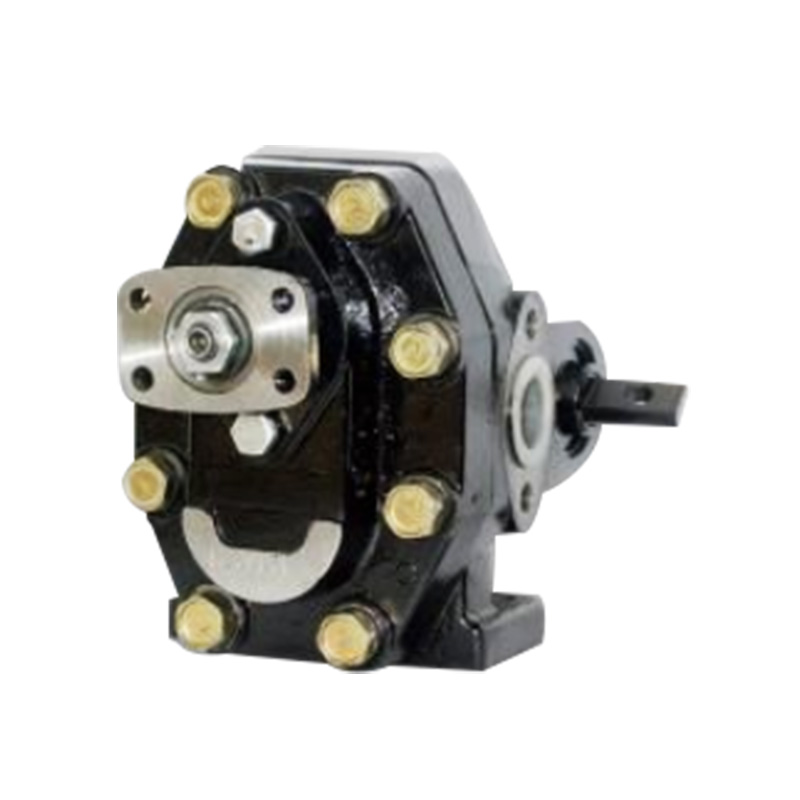
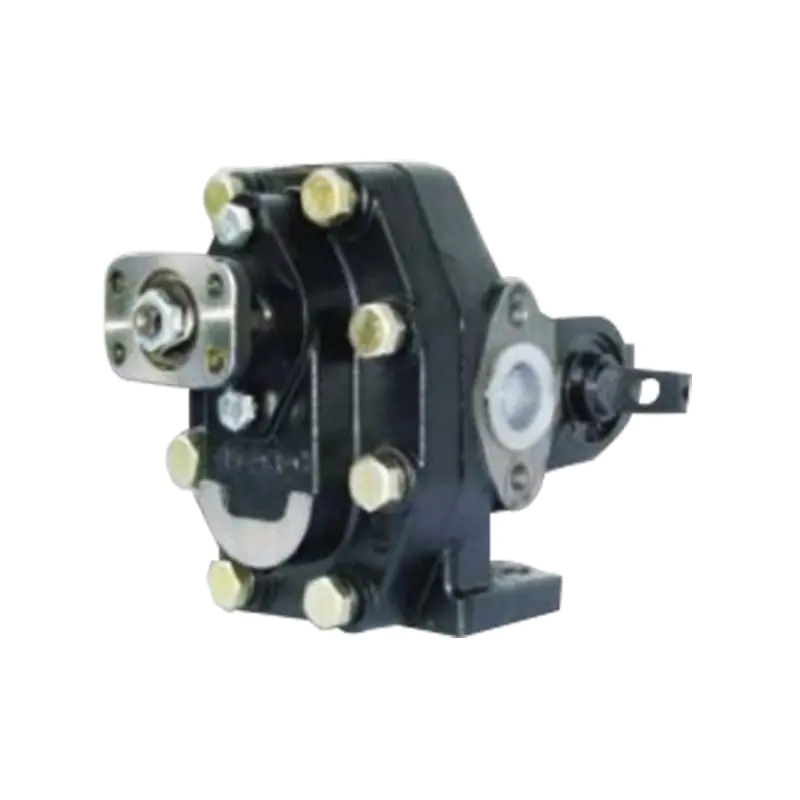
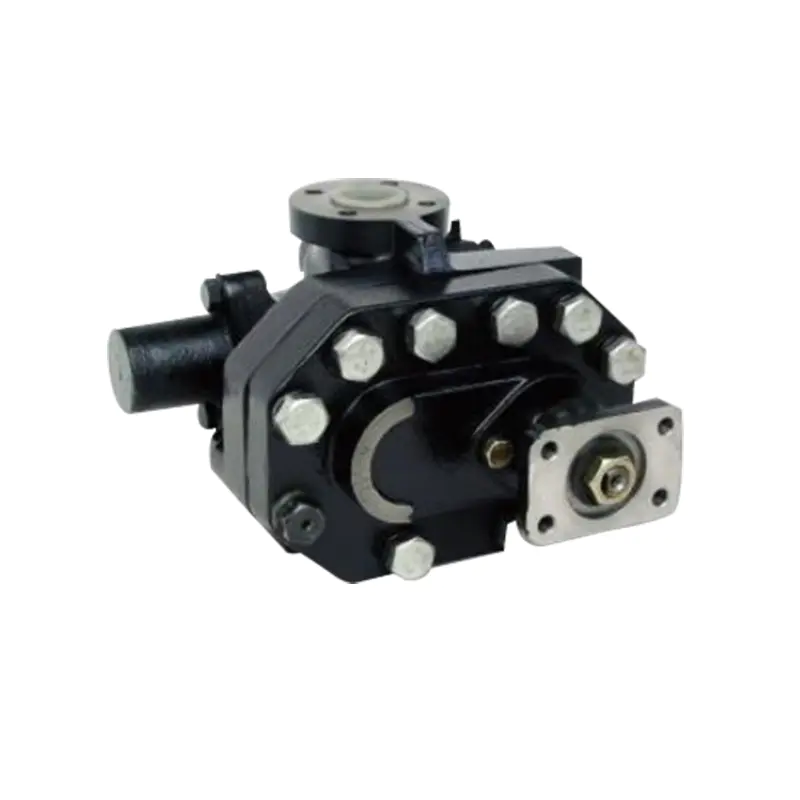
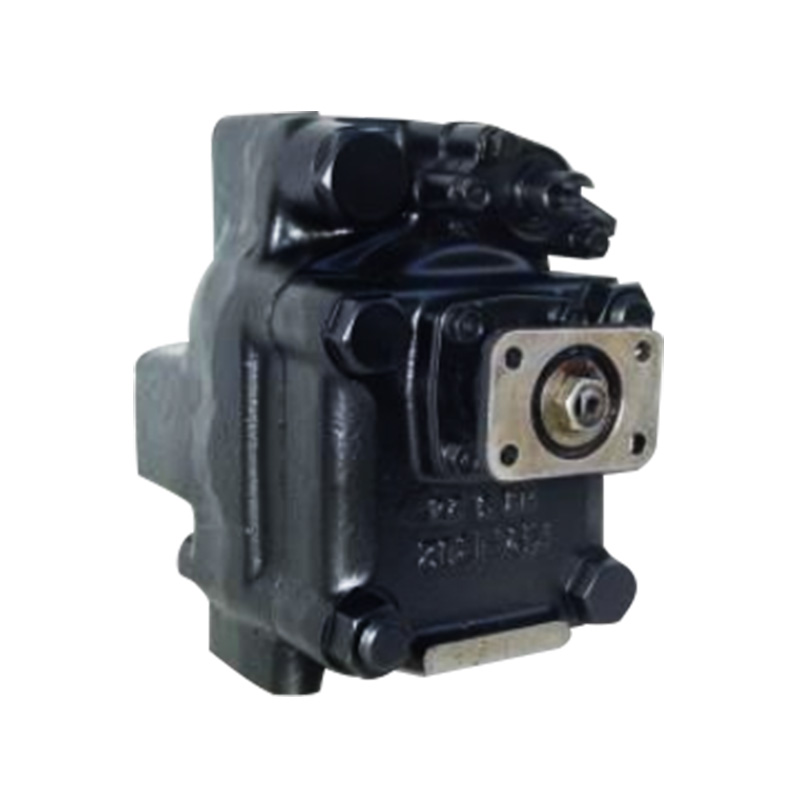
The KP gear pump is an assembly of several precision-machined parts that create the pumping action.
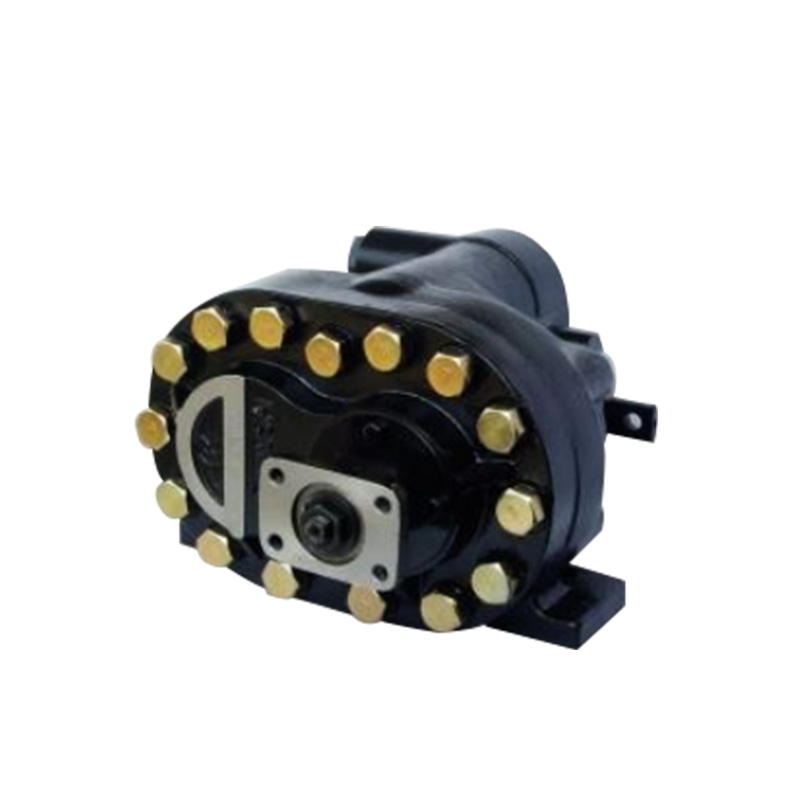
Pump Housing (Casing): This is the main body, typically made from cast iron, aluminum, or engineered plastic. It contains the internal chambers and provides mounting and porting interfaces. It is machined to precise tolerances to accommodate the gears.
Drive and Idler Gears: These are the central rotating elements. The drive gear is connected directly to the motor shaft via a keyway or spline. The idler gear meshes with the drive gear and rotates in the opposite direction. Both gears have the same tooth profile and number of teeth, and are usually made from hardened steel, carbon steel, or engineered plastics like PEEK for chemical resistance.
Bearing Journals or Bushings: The gear shafts are supported within the housing by plain bearings (bushings) or, in some designs, ball bearings. These components support the radial load from the gears and maintain the critical clearance between the gear tips and the housing.
Shaft Seals: A critical sealing component, such as a mechanical face seal or lip seal, is installed where the drive shaft exits the housing. Its function is to prevent the pumped fluid from leaking out along the shaft.
Front and Rear Cover Plates (Side Plates): These are flat, machined plates that bolt onto either side of the housing. They enclose the gear chambers and provide the axial sealing surfaces for the sides of the gears. They often incorporate the bearing surfaces for the gear shafts.
Inlet and Outlet Ports: These are the openings in the housing that allow fluid to enter the suction side and exit the pressure side of the pump. Their size and threading are standardized.
The KP design exists to fulfill requirements for simple, robust, and cost-effective fluid transfer in specific operating contexts.
Providing a Compact, Fixed-Flow Solution
Its primary purpose is to deliver a consistent flow rate proportional to its shaft speed (RPM) and displacement volume. The fixed-geometry, two-gear design creates a pump with a small footprint, making it suitable for installations where space is limited, such as in mobile machinery or compact industrial units. It provides a predictable flow for applications like lubrication, fuel transfer, or hydraulic power for low-pressure circuits.
Handling a Range of Fluid Viscosities
The KP gear pump is designed to handle fluids from low-viscosity solvents to more viscous oils. The close tolerances between gears and housing create an effective seal for thicker fluids, while the robust design can accommodate the increased power required to pump them. This versatility allows it to be used across different industries with varying media.
Offering Reliability in Continuous Operation
The simplicity of its design, with few moving parts, contributes to operational reliability. With no internal valves and a direct mechanical drive, it is less prone to certain types of failure compared to more complex pump types. When constructed from appropriate materials, it can provide long service life in continuous duty applications, such as circulating oil in a machine tool reservoir or transferring process fluids.
Producing a reliable gear pump involves overcoming challenges related to precision, tolerances, and material performance.
A central issue is maintaining precise internal clearances. The performance and efficiency of the pump depend on the micrometric gaps between the gear tips and the housing bore (radial clearance) and between the sides of the gears and the cover plates (axial clearance). These clearances must be large enough to prevent metal-to-metal contact at operating temperatures but small enough to minimize internal leakage (slip) from the high-pressure outlet back to the low-pressure inlet. Achieving this balance requires high-precision machining and thermal management during manufacturing to account for material expansion.
Gear fabrication and quality is another significant challenge. The gears must be cut, hardened, and ground to a precise tooth profile. Any inconsistency in the tooth form, pitch, or surface finish can bring about uneven loading, increased noise and vibration (a phenomenon known as gear pulsation), and accelerated wear. Post-heat-treatment distortion must also be carefully controlled to maintain the gear's geometry.
Managing thermal and pressure deformation during operation is a design and manufacturing consideration. Under high pressure and temperature, the housing and cover plates can deflect slightly. If not accounted for in the design (e.g., through adequate wall thickness or strategic ribbing), this deflection can alter the critical internal clearances, reducing efficiency or causing contact and seizure. Manufacturing must ensure material consistency and structural integrity to meet these design specifications.
We focus on the research, development, manufacturing and service of various high-pressure and high-displacement gear pumps and related products and copper and woodblock printing machines.
Are You Ready To Cooperate
With Xianju Liming Machinery Co., Ltd. ?
* Your email is safe with us, we don't spam.

Xianju Liming Machinery Co., Ltd. specializes in the production of various high-pressure and high-displacement gear pumps and related products. We also specialize in producing various specifications of copperplate engraving machines, woodblock printing machines and other printmaking art equipment.
Contact Info
+86-13676695112
+86-18868136522
+86-576-87733908
+86-576-87719094
No. 407, Chuancheng North Road, Anzhou Street, Xianju County, Taizhou City, Zhejiang, China.
Mobile web
