 English
 中文简体

+86-13676695112
+86-18868136522
+86-576-87733908
A commercial printer may receive an order for 300 brochures in the morning, followed by a small catalog job with different paper and color requirements in the afternoon. The challenge is not simply printing fewer copies. Each new job can mean another round of plate preparation, ink adjustment, registration checks and paper setup.
Traditional offset printing was developed around relatively long production runs, where setup costs could be spread across thousands of copies. As customers increasingly order smaller batches and request frequent design changes, printing companies have had to reconsider how they use their equipment.
Modern Lithography Printing Press technology is responding through automatic plate handling, digital color controls and faster job changeovers. These improvements do not remove every limitation of offset printing, but they make it easier to handle shorter orders without sacrificing the quality that commercial customers expect.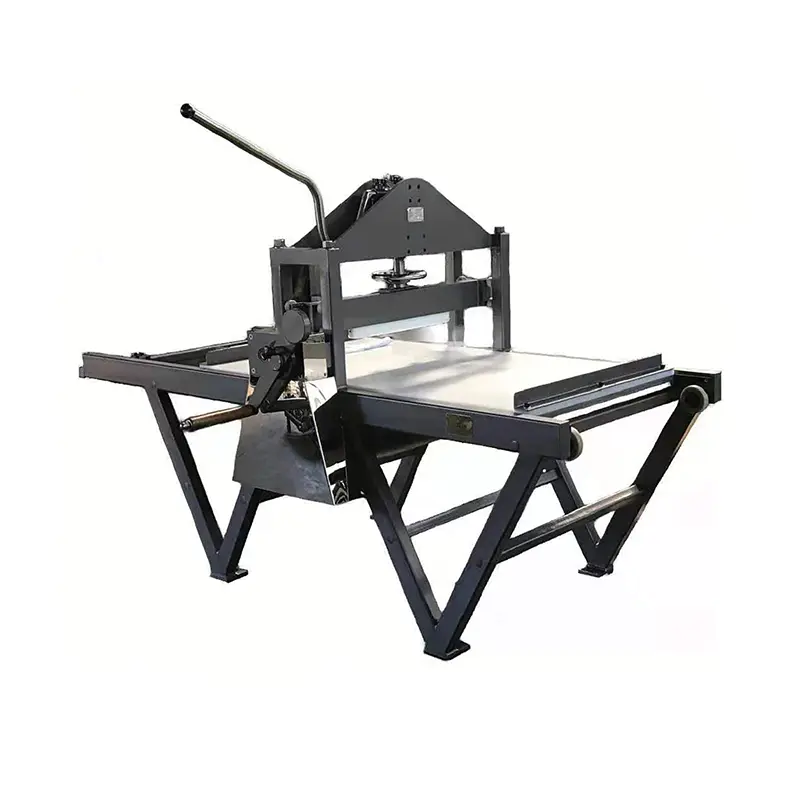
Makeready Time Has Become a Major Cost Consideration
In short-run production, the time spent preparing the press can account for a significant part of the total job cost. A printer may spend almost as much time setting up a small order as running the actual job.
Traditional makeready involves mounting plates, adjusting ink delivery, setting registration and producing test sheets until the printed result meets the required standard.
Newer presses reduce some of this manual work. Automatic plate loading systems can mount and remove plates with less operator intervention. Computer-to-plate (CTP) technology also sends digital artwork directly to the plate-making process, removing the need for intermediate photographic film.
Preset ink settings and automatic registration adjustments further reduce the number of corrections required before production begins.
For print shops handling many small orders each day, saving several minutes during each changeover can make a noticeable difference to daily production capacity.
Digital Controls Give Operators More Control Over Repeat Jobs
Color consistency can become difficult when a press handles several jobs with different paper stocks, inks and image requirements. Operators traditionally depend heavily on experience and manual adjustments to reach the desired result.
Modern press consoles provide stored job settings, measurement feedback and automated adjustment functions. These tools make it easier to reproduce previous work and identify deviations during production.
Three functions are particularly useful:
Job memory is especially useful for customers who reorder brochures, catalogs or promotional materials with only minor artwork changes.
Automation does not mean operators can leave the press unattended. Different paper surfaces absorb ink differently, and changes in humidity, roller condition and dampening settings can affect the final result. Measurements still need to be interpreted by someone who understands the printing process.
How Traditional and Modern Offset Workflows Differ
| Production Factor | Traditional Workflow | Modern Optimized Workflow |
|---|---|---|
| Plate Handling | More manual operations | Automated plate loading |
| Color Setup | Repeated manual adjustment | Preset ink settings and measurement |
| Registration | Manual correction | Sensor-assisted alignment |
| Job Changeover | Longer preparation | Stored job data and faster setup |
| Quality Inspection | Periodic manual checks | Integrated measurement and monitoring |
| Production Records | Paper-based documentation | Digital job data and reporting |
The amount of time saved depends on the press model, job complexity and operator experience. A highly automated machine may still require considerable setup for an unusual substrate or complicated print job.
Offset and Digital Printing Are Often Used Together
Short-run demand has not made lithographic printing obsolete. Instead, many commercial printers now divide their work between offset and digital equipment.
Offset printing remains attractive for jobs requiring consistent image reproduction, specific paper characteristics and larger quantities. Digital printing can be more convenient for very small batches, personalized content and frequent design changes.
Consider a customer ordering two versions of a promotional brochure. One version may require 2,000 copies, while the second needs only 50 copies with customized information. Running both versions entirely through offset printing may create unnecessary setup expenses. A digital press could handle the smaller batch more economically.
The reverse may also be true. A few hundred copies of a complex color brochure on a particular coated stock may justify offset production if the required image quality and finishing specifications favor that process.
Printers should compare the complete job cost, including plate preparation, setup waste, labor, printing and finishing. The cheapest printing method is not always determined by the number of copies alone.
Paper Compatibility and Print Quality Still Need Attention
Short-run commercial printers frequently switch between different paper weights, coatings and sheet formats. Each change can affect how the press feeds paper, transfers ink and maintains registration.
A Lithography Printing Press should accommodate the substrates commonly used by the business. Engineers and operators need to check the feeder's capabilities, delivery capacity, paper thickness limits and compatibility with the ink and dampening system.
Quality checks during production should include:
Startup waste deserves particular attention in short-run jobs. Even a small number of wasted sheets can have a noticeable effect when the total order is only a few hundred copies.
Regular maintenance also matters. Worn rollers, incorrect pressure settings and inconsistent dampening can create defects that no amount of digital automation will completely correct.
What Should Printers Look for When Buying a Modern Press?
A high production speed does not necessarily make a press suitable for a business handling numerous short jobs. The more relevant question is how quickly and consistently it can move between different specifications.
Before investing in equipment, commercial printers should examine actual production requirements:
It is worth running sample jobs using the types of work the business actually receives. Catalogue specifications alone rarely show how much preparation time a particular press will need for a mixed production schedule.
Where Lithographic Printing Fits Into the Changing Market
Short-run orders have changed the economics of commercial offset printing, but they have not removed the need for it. Customers still require accurate colors, reliable registration and consistent results across different paper stocks.
Automatic plate handling, stored job settings and better color measurement have made modern Lithography Printing Press equipment more adaptable to smaller production batches. For print businesses, the value of these features depends on how frequently they change jobs and how much setup waste they currently experience.
A press that saves time on every changeover may be more valuable to a busy commercial printer than one offering a higher maximum running speed.
We focus on the research, development, manufacturing and service of various high-pressure and high-displacement gear pumps and related products and copper and woodblock printing machines.
Are You Ready To Cooperate
With Xianju Liming Machinery Co., Ltd. ?
* Your email is safe with us, we don't spam.

Xianju Liming Machinery Co., Ltd. specializes in the production of various high-pressure and high-displacement gear pumps and related products. We also specialize in producing various specifications of copperplate engraving machines, woodblock printing machines and other printmaking art equipment.
Contact Info
+86-13676695112
+86-18868136522
+86-576-87733908
+86-576-87719094
No. 407, Chuancheng North Road, Anzhou Street, Xianju County, Taizhou City, Zhejiang, China.
Mobile web
