+86-13676695112
+86-18868136522
+86-576-87733908
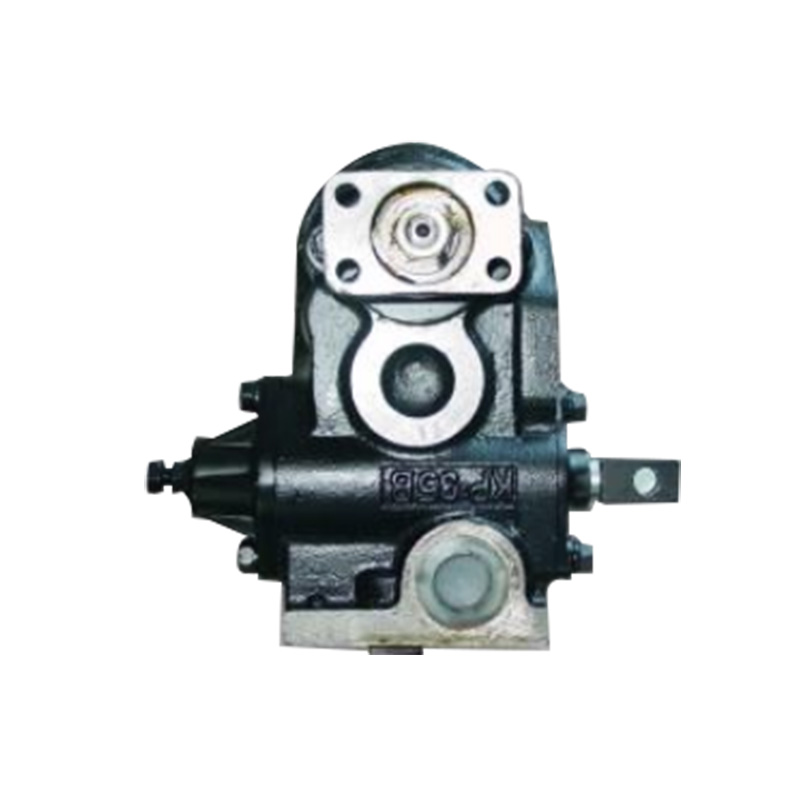
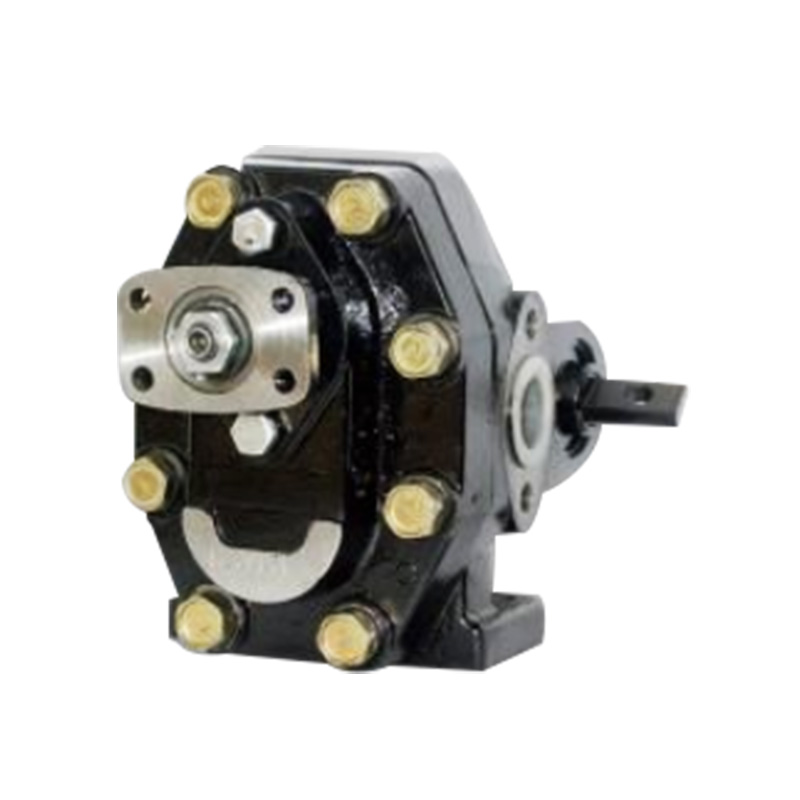
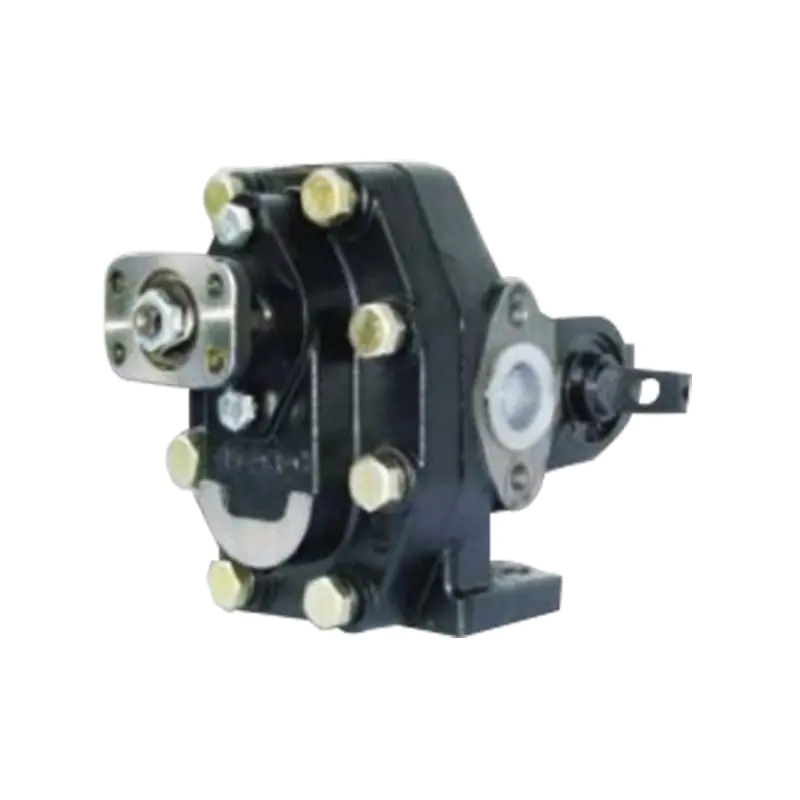
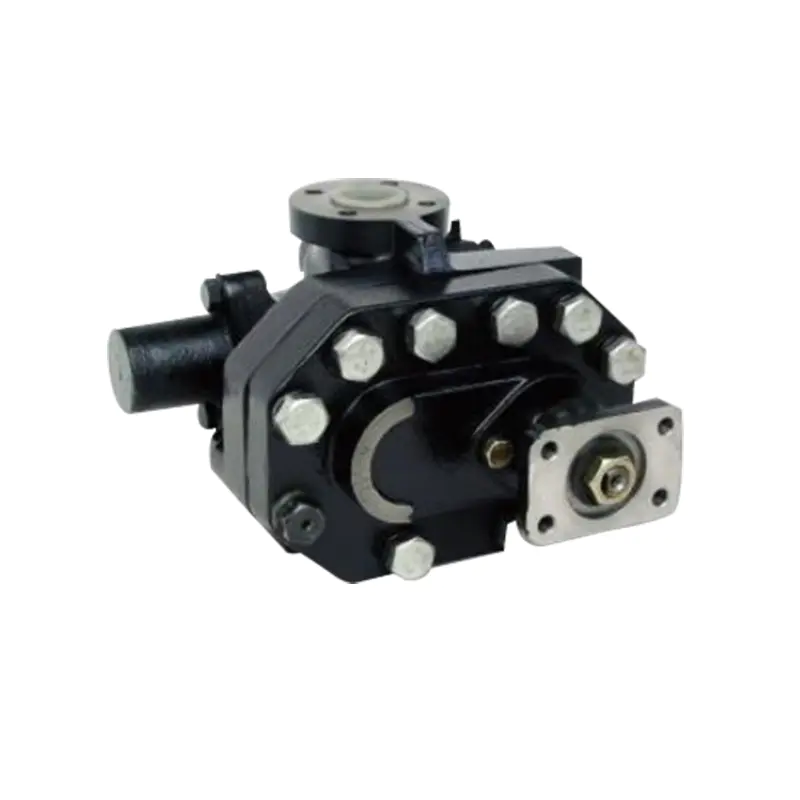
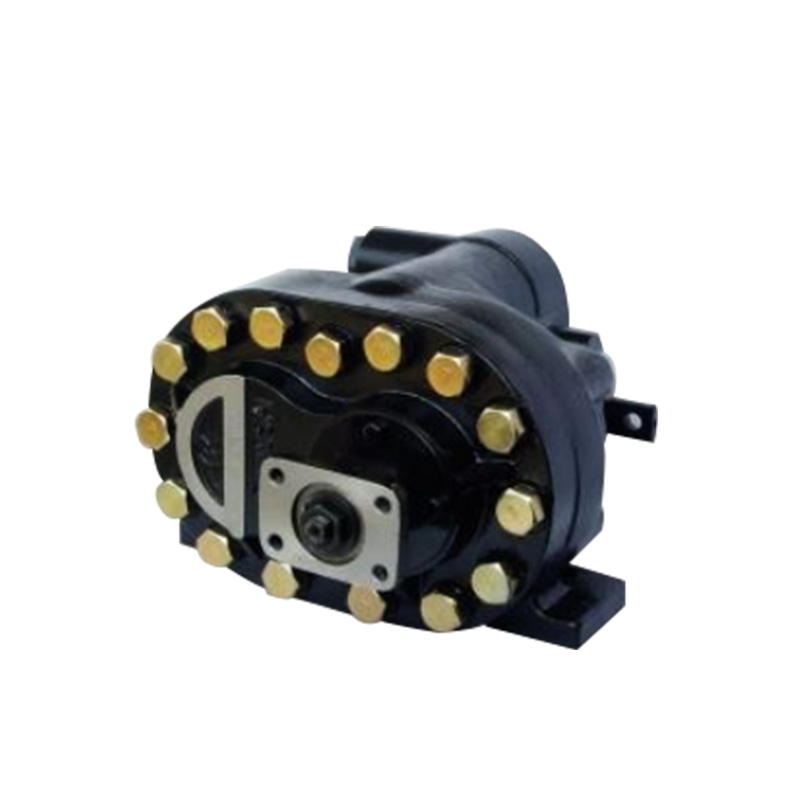
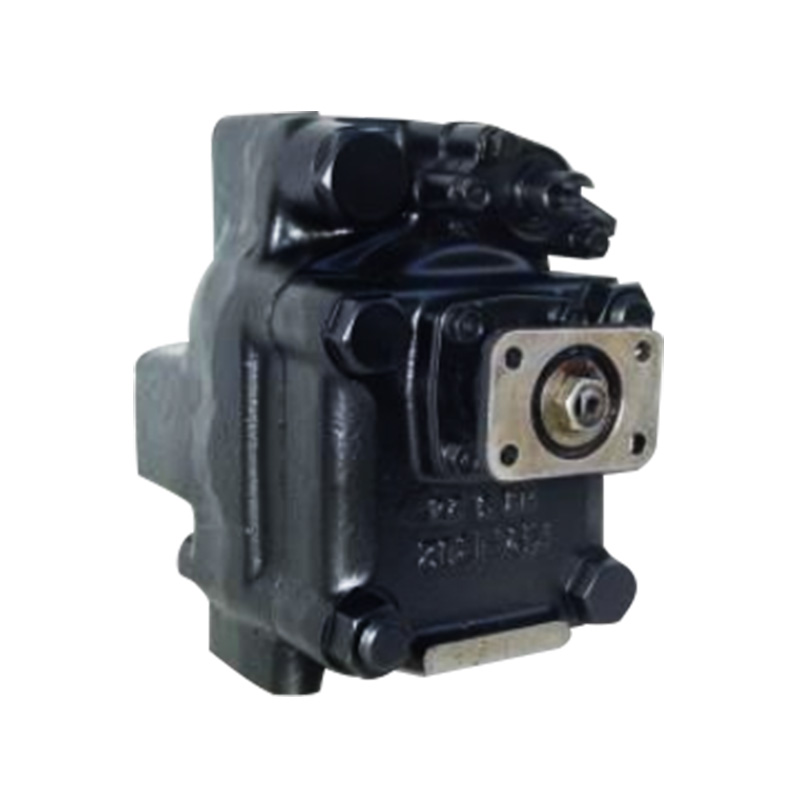
In real hydraulic equipment, power loss usually does not appear as a sudden breakdown. It tends to show up in small changes that are easy to ignore at first. A machine that once lifted smoothly may start to feel slightly heavier during operation. Movements are still working, but they are no longer as steady under load. Response becomes slower, especially when the system repeats the same action many times. In many situations, these early signs are linked to flow instability or internal leakage inside the hydraulic circuit. When this happens, a Pressure Gear Pump is often considered as a practical option to bring the system back to more stable working behavior.
Hydraulic performance does not usually drop in a single moment. It changes step by step, which is why many operators adapt to it without noticing the real cause at the beginning.
Common signs include:
These signs can appear in different machines such as dump trucks, loaders, lifting platforms, and industrial hydraulic units. The system still functions, but the working feeling is no longer the same as before.
There is rarely only one reason behind hydraulic performance loss. It is usually a combination of gradual changes inside the system.
Inside a hydraulic pump, small clearances are necessary for movement. After long operation, these clearances can become slightly larger due to normal wear. Even a small change affects how oil is delivered into the system.
When this happens, part of the oil circulates inside the pump instead of going to the working circuit. The machine still runs, but the usable output becomes lower.
Hydraulic oil is not only a transfer medium. It also helps with sealing and lubrication. When the system heats up during operation, oil viscosity drops. Thinner oil cannot seal internal gaps as effectively.
At the same time, contamination can slowly damage internal surfaces. Over time, this increases internal leakage and reduces overall efficiency.
The result is usually:
Many machines do not work under fixed conditions. Load levels often increase over time due to different working demands. However, the hydraulic system usually stays the same.
When the system is no longer fully matched to the working load, it begins to struggle during peak operation. Light work still feels normal, but heavy operation becomes weaker and less stable.
A gear based hydraulic unit moves oil through the rotation of meshing gears. Oil is carried from the inlet side to the outlet side in a continuous flow pattern.
This structure is widely used because it produces predictable output behavior in many types of equipment. It does not rely on complex internal control, which makes it suitable for stable flow delivery in mobile machinery.
In real operation, it helps the system maintain:
It does not change the hydraulic system design. Instead, it helps restore a more stable flow condition inside the system.
In many real cases, pressure readings can look acceptable while the machine still feels weak. This usually happens when flow is not stable.
Flow determines how smoothly hydraulic components move. When flow becomes uneven, the machine behavior changes even if pressure appears normal.
Typical signs of unstable flow include:
Because of this, hydraulic performance should not be judged by pressure alone. Flow behavior is equally important in real operation.
Hydraulic performance issues appear more clearly in machines that work under repeated load or long operation hours.
Common equipment includes:
In these applications, small efficiency loss becomes noticeable during daily work rather than on paper.
Hydraulic systems depend on the balance between pressure and flow. When one of them becomes unstable, the system behavior changes.
| System Element | Function in Operation | What Happens When It Becomes Unstable |
|---|---|---|
| Pressure behavior | Produces working force | Lifting becomes weaker under load |
| Flow delivery | Controls movement speed | Motion becomes uneven or delayed |
| Internal sealing | Keeps oil inside working path | Efficiency gradually decreases |
| Oil condition | Supports stable operation | Heat and leakage increase |
| Mechanical matching | Balances system load | Performance becomes inconsistent |
This explains why hydraulic issues are often more complex than they first appear in daily operation.
Inside a hydraulic system, oil naturally follows the path of least resistance. When sealing is strong, most oil is directed toward useful work.
When sealing weakens, oil starts to bypass the working path inside the system. This reduces usable output without stopping operation.
Over time, this leads to:
Hydraulic systems use different pump types depending on working requirements and environment.
These are commonly used in mobile machinery because they offer stable flow and simple construction. They are suitable for applications where reliability and maintenance convenience matter.
Typical characteristics include:
These systems can provide smoother operation in controlled environments. However, they require cleaner oil conditions and more stable working environments.
These systems are used in applications requiring more control flexibility or higher system complexity. They can handle demanding conditions but usually require more detailed maintenance.
Even after replacing components, hydraulic issues may return if system conditions are not properly considered.
Common mistakes include:
These issues often reduce performance even when new parts are installed.
Even when a hydraulic unit is correctly selected, installation quality still influences system behavior.
Poor alignment increases internal stress and affects long term durability.
Contaminated oil slowly affects internal surfaces and sealing performance.
Restricted intake flow can lead to unstable operation and uneven output.
Excess heat changes oil behavior and reduces system stability during continuous use.
In real working environments, machines face vibration, dust, load variation, and long duty cycles. In these conditions, simplicity often helps improve reliability.
A simpler hydraulic structure usually means:
This is why gear based systems remain widely used in construction and transport machinery.
Hydraulic performance depends on how well all parts work together. Even a suitable component may not perform well if the system is not balanced.
Important matching factors include:
When these elements are properly aligned, hydraulic behavior becomes more stable in real operation.
Hydraulic upgrades are usually considered when equipment starts showing consistent performance decline during daily operation. The machine still works, but it no longer feels stable under load.
At this stage, the goal is not only replacement. It is to restore stable flow behavior and recover consistent working output without changing the entire system structure.
A Pressure Gear Pump is often selected because it helps bring back stable hydraulic behavior in a practical and straightforward way, especially in systems where reliability and maintenance simplicity are important.
Hydraulic systems are always influenced by real working conditions, not just technical values. This is why system matching and application understanding are important in selection.
For construction machinery, industrial equipment, and transport systems, proper hydraulic matching can reduce repeated failures and improve long term working stability.
Xianju Liming Machinery Co., Ltd. supports hydraulic applications for engineering machinery and industrial systems. Its focus on gear based hydraulic solutions helps address flow instability, improve lifting consistency, and support stable operation in heavy duty environments. When hydraulic power shortages appear in real equipment, proper evaluation of system behavior becomes an important step toward restoring reliable working performance in daily operation.
We focus on the research, development, manufacturing and service of various high-pressure and high-displacement gear pumps and related products and copper and woodblock printing machines.
Are You Ready To Cooperate
With Xianju Liming Machinery Co., Ltd. ?
* Your email is safe with us, we don't spam.
Xianju Liming Machinery Co., Ltd. specializes in the production of various high-pressure and high-displacement gear pumps and related products. We also specialize in producing various specifications of copperplate engraving machines, woodblock printing machines and other printmaking art equipment.
Contact Info
+86-13676695112
+86-18868136522
+86-576-87733908
+86-576-87719094
No. 407, Chuancheng North Road, Anzhou Street, Xianju County, Taizhou City, Zhejiang, China.
Mobile web