 English
 中文简体
中文简体

+86-13676695112
+86-18868136522
+86-576-87733908
Selecting the appropriate pump type is important to ensure efficiency, reliability, and compatibility with the system’s pressure and flow requirements. While there are many pump designs, three types are commonly used in industrial, mobile, and construction applications: gear pumps, vane pumps, and piston pumps.
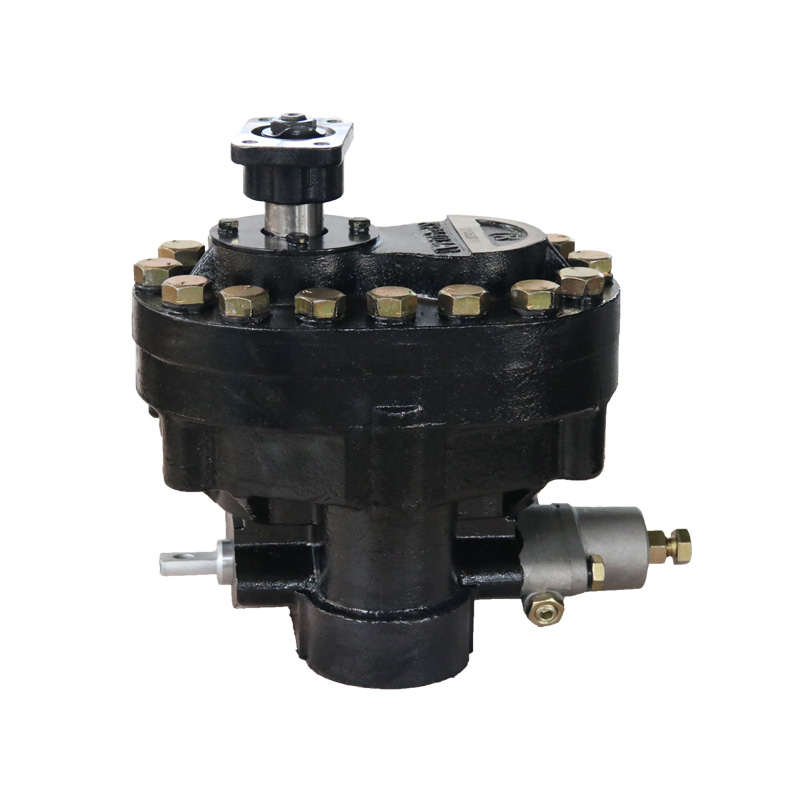
1. Gear Pumps
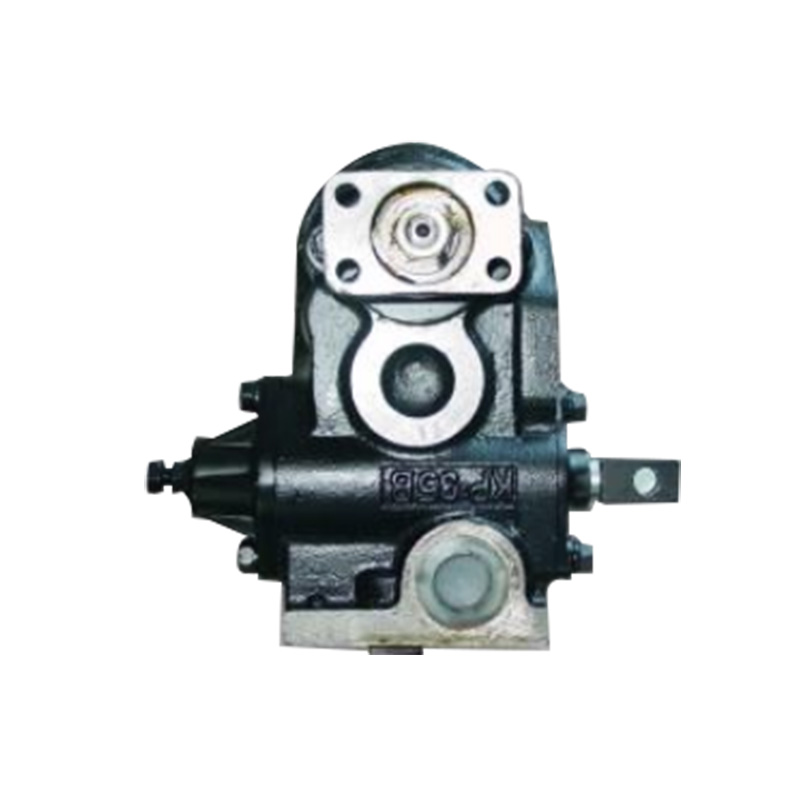
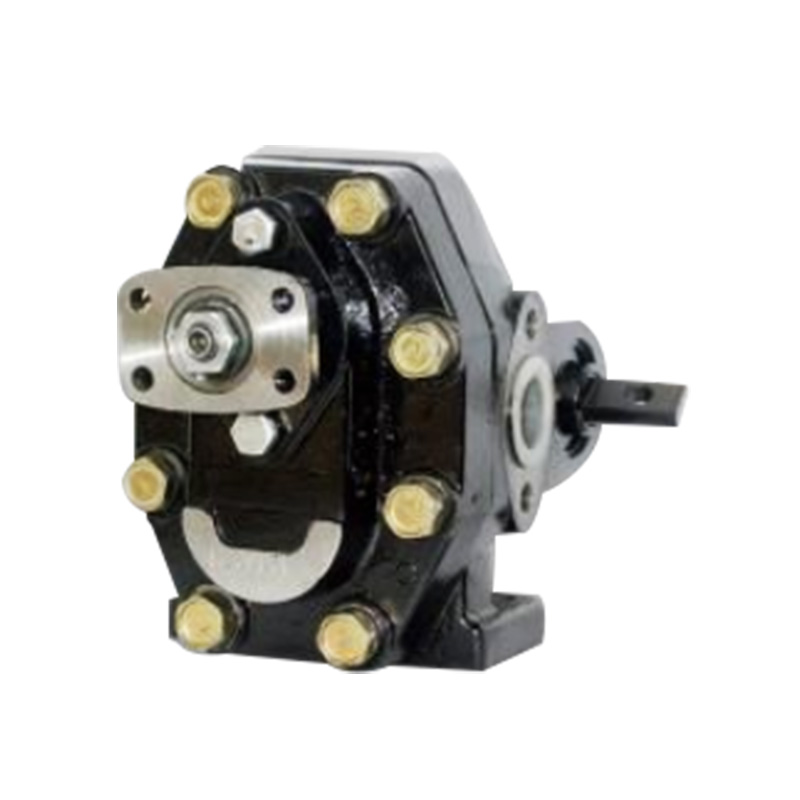
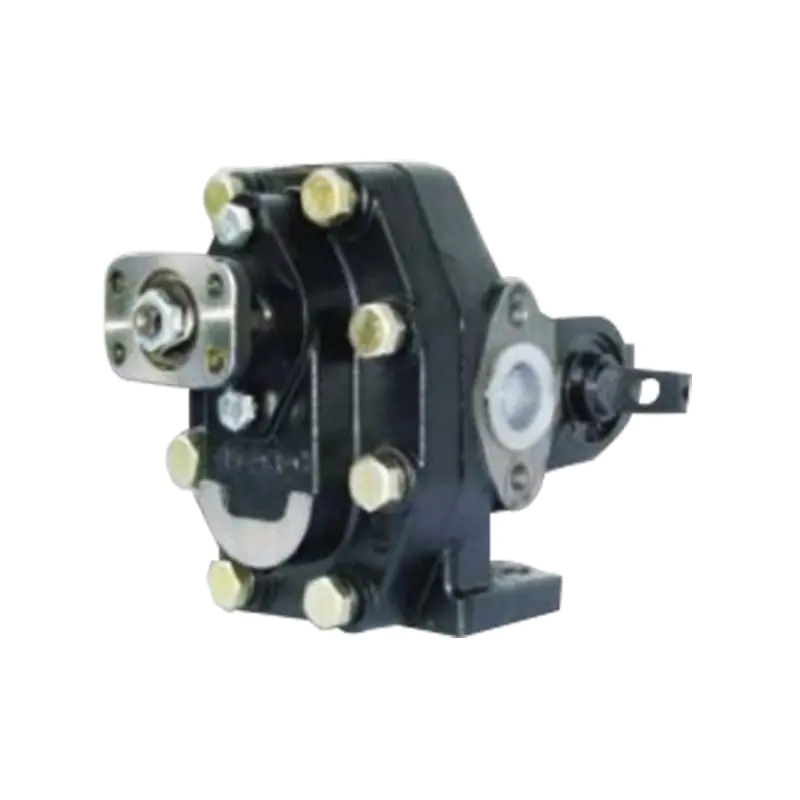
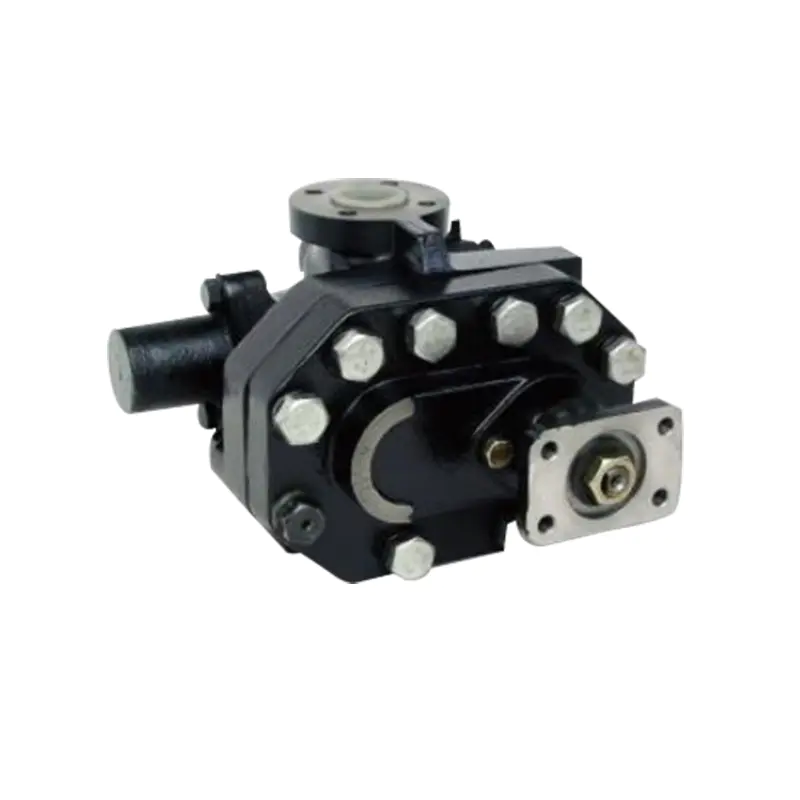
Gear pumps are one of the simplest and widely used hydraulic pump types. They operate using two meshing gears that rotate within a housing, drawing hydraulic fluid in from the inlet and forcing it out through the outlet. The movement of the gears creates a consistent flow and generates moderate pressure, making gear pumps suitable for low- to medium-pressure applications.
There are two main varieties: external gear pumps and internal gear pumps. External gear pumps use two identical gears that mesh externally, while internal gear pumps have a smaller internal gear that rotates inside a larger external gear. Both designs provide smooth operation and relatively stable flow rates. Gear pumps are commonly used in applications such as lubrication systems, small hydraulic circuits, and auxiliary hydraulic equipment. Their mechanical simplicity allows for easy maintenance, and the absence of complex components reduces manufacturing and repair costs. However, gear pumps are less suitable for high-pressure or high-precision applications because their tolerances and internal clearances limit maximum efficiency under heavy load.
2. Vane Pumps
Vane pumps are another common type of hydraulic pump, characterized by a rotor with sliding vanes inside a cam ring. As the rotor turns, the vanes extend and retract to maintain contact with the housing, creating variable chambers that draw in and push out hydraulic fluid. This design provides a smoother flow than gear pumps and can accommodate slightly higher pressures.
Vane pumps can be fixed or variable displacement. Fixed-displacement vane pumps deliver a consistent flow at a given speed, making them suitable for simple hydraulic circuits. Variable-displacement vane pumps allow adjustment of the flow rate according to system demand, improving energy efficiency and flexibility. These pumps are frequently used in industrial machinery, automotive power steering systems, and small mobile equipment. Vane pumps offer quieter operation and less pulsation than gear pumps, which benefits systems where noise reduction is desirable. Nevertheless, they require more precise manufacturing and regular maintenance, including monitoring vane wear, to maintain performance and longevity.
3. Piston Pumps
Piston pumps are designed for high-pressure applications and precise flow control. They operate by moving pistons within cylinders, creating variable volumes that draw in and expel hydraulic fluid. Piston pumps are available in two main configurations: axial and radial. Axial piston pumps have pistons arranged parallel to the drive shaft, while radial piston pumps have pistons positioned around the shaft in a radial pattern.
These pumps are commonly used in heavy industrial machinery, construction equipment, and hydraulic presses where high pressures and variable flow rates are required. Piston pumps provide high efficiency and can handle a wide range of pressures and speeds. They are also compatible with variable-displacement mechanisms, allowing fine control of output flow. Despite their advantages, piston pumps are more complex and expensive than gear or vane pumps and require careful maintenance to prevent leaks, wear, or loss of efficiency. Their design complexity means that precise manufacturing and skilled installation are critical to achieving reliable operation.
4. Selection Considerations
Choosing the right hydraulic pump involves considering the system’s operating conditions, including pressure, flow rate, fluid type, and duty cycle. Gear pumps are suitable for simple, low- to medium-pressure systems, offering reliability and ease of maintenance. Vane pumps provide smoother flow and moderate pressure capabilities, making them suitable for medium-duty industrial or mobile applications. Piston pumps are preferred for high-pressure systems and situations where precise flow control is required.
Other factors include system noise, efficiency, durability, and maintenance requirements. Variable-displacement options provide additional flexibility but increase complexity and cost. Compatibility with hydraulic fluid, operating temperature, and environmental conditions should also be considered. By understanding the characteristics of each pump type and matching them to system requirements, engineers and operators can ensure efficient and reliable hydraulic performance while unnecessary costs and operational issues.
We focus on the research, development, manufacturing and service of various high-pressure and high-displacement gear pumps and related products and copper and woodblock printing machines.
Are You Ready To Cooperate
With Xianju Liming Machinery Co., Ltd. ?
* Your email is safe with us, we don't spam.

Xianju Liming Machinery Co., Ltd. specializes in the production of various high-pressure and high-displacement gear pumps and related products. We also specialize in producing various specifications of copperplate engraving machines, woodblock printing machines and other printmaking art equipment.
Contact Info
+86-13676695112
+86-18868136522
+86-576-87733908
+86-576-87719094
No. 407, Chuancheng North Road, Anzhou Street, Xianju County, Taizhou City, Zhejiang, China.
Mobile web
